Case Studies in Crisis: How Major Brands Recovered
18 July 2026
Let’s face it—crisis is the ultimate test of brand integrity. No one expects to trip over their own shoelaces in broad daylight, but when they do, it’s not the fall that defines them—it’s how they get back up. Some of the world’s biggest brands have stumbled hard, sometimes publicly, sometimes painfully. But what separates a cautionary tale from a legendary comeback? Resilience, strategy, and a whole lot of humility.
In this article, we're diving deep into real brand crises, examining how some of the biggest names turned things around, and the lessons every business (big or small) can pocket for a rainy day.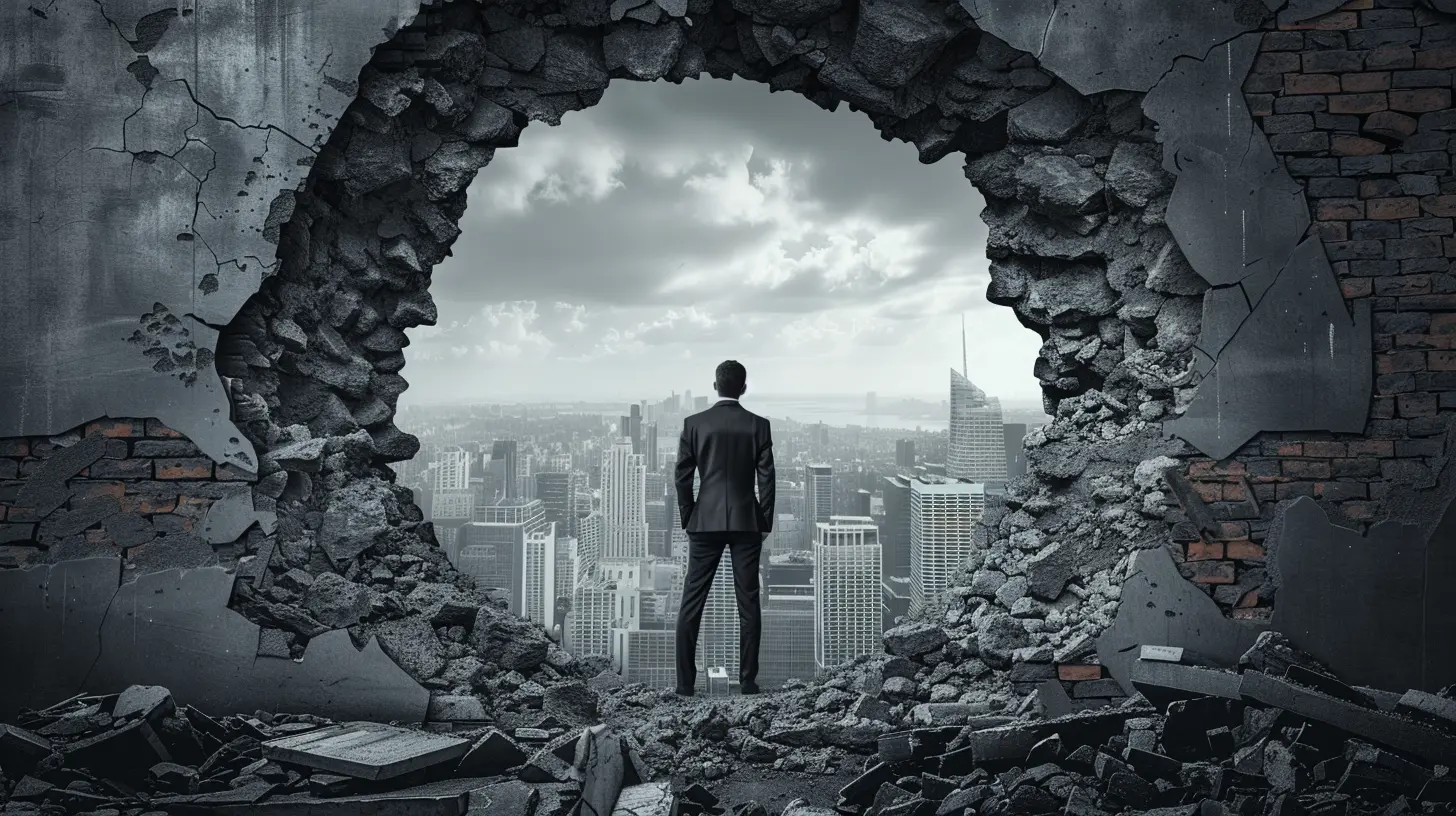
? What Is a Brand Crisis Anyway?
Before we dive into the juicy case studies, let's set the stage. A brand crisis is any event that threatens a company's reputation, customer trust, or financial health. It could be a faulty product, a tone-deaf ad campaign, a security breach, or even an executive’s bad behavior.It’s kind of like spilling red wine on a white couch during a dinner party. Everyone sees it. Everyone talks about it. But if you clean it up fast enough and serve dessert with a smile, they might just forgive you.
?️ The Anatomy of a Comeback
So, what do comeback stories have in common? Here are a few must-have ingredients:- Swift Action: Delays in response = lost trust.
- Transparency: Own the mistake. Consumers respect honesty.
- Clear Communication: Say what happened, what’s being done, and what’s next.
- Reform: Apologies are just words unless backed by change.
- Consistency: Stay the course after the storm clears.
Keep these in mind as we unpack some of the biggest brand turnarounds in business history.
? Case Study 1: Tylenol’s Tampering Tragedy (1982)
The Crisis
In 1982, Johnson & Johnson faced a nightmare. Seven people in Chicago died after taking cyanide-laced Tylenol capsules. Sales plummeted. Panic spread. The brand's reputation teetered on the edge of collapse.The Recovery
Instead of hiding behind silence, J&J acted fast. They pulled 31 million bottles off shelves (costing them over $100 million), halted all advertising, and launched tamper-proof packaging.They also worked closely with the media and law enforcement, openly sharing updates and showing that public safety came first.
The Result
Consumers rewarded that transparency. When Tylenol returned to shelves with new safety seals, people bought it again. Today, it’s still a household name—and a textbook case in crisis management.> ? Lesson: Be first, be honest, and be empathetic. People forgive mistakes, not cover-ups.
? Case Study 2: Pepsi’s Syringe Scare (1993)
The Crisis
Imagine opening a can of soda and finding a syringe inside. That’s what several customers claimed in 1993. In no time, panic fizzed across the country. Sales dropped. Fingers pointed.The Recovery
Instead of panicking, Pepsi released surveillance footage showing their production lines—completely tamper-proof from start to finish. They even included a cheeky video explaining their manufacturing process. It reassured the public and gently mocked the implausibility of the claims (without mocking the customers).The Result
Turns out, the reports were hoaxes. Pepsi’s bold, transparent, and confident response helped them regain trust almost immediately.> ? Lesson: If the crisis is fake, prove it fast. Confidence and clarity go a long way.
? Case Study 3: Samsung Galaxy Note 7 Explosions (2016)
The Crisis
Hot phones are cool—until they literally catch fire. Samsung's Galaxy Note 7 started exploding in users’ hands and pockets. Flights banned the device. Memes exploded faster than the phones did. Samsung was on fire, and not in a good way.The Recovery
Samsung didn't just recall the phones—they doubled down on safety. They halted production, offered full refunds or exchanges, and introduced a new 8-point battery safety check that was stricter than industry standards.They even admitted fault publicly, something many brands avoid like the plague.
The Result
Although the Note 7 was dead on arrival afterward, Samsung's smartphone line recovered. Within a year, the Galaxy S8 was praised for its performance and safety. Samsung showed the world how to fall gracefully.> ? Lesson: When your product fails, fix the root—not just the damage. And say you’re sorry.
? Case Study 4: Target’s Data Breach (2013)
The Crisis
Target’s data breach in 2013 was massive. Hackers accessed credit card info of over 40 million shoppers. It was Christmas. People were shopping like crazy. Then boom—trust shattered.The Recovery
Target owned up quickly. They offered free credit monitoring, apologized sincerely, and invested heavily in cybersecurity. They also revamped their leadership by bringing in a new CEO to steer the ship.They didn’t just plug the leak—they rebuilt the dam.
The Result
Over time, customers returned. Today, Target is stronger than ever, both digitally and in-store. They didn’t just fix the tech—they fixed the culture.> ? Lesson: In a data-driven world, security = trust. Lose it, and you lose customers.
? Case Study 5: Nike and Colin Kaepernick (2018)
The Crisis
When Nike featured Colin Kaepernick in their “Just Do It” campaign, it sparked controversy. While some applauded the move, others threatened boycotts, burned their sneakers, and screamed “stick to sports.”The Recovery
Nike didn’t back down. They stood firm in their decision, aligning themselves with social justice and younger, more diverse consumers. They bet big on values—and the gamble paid off.The Result
Nike’s stock hit an all-time high weeks later. Sales boomed. And the brand strengthened its emotional connection with younger generations.> ? Lesson: Taking a stand is risky. But brands can’t please everyone—and maybe they shouldn’t try.
☕ Case Study 6: Starbucks’ Racial Bias Incident (2018)
The Crisis
Two Black men were arrested at a Starbucks in Philadelphia for simply waiting for a friend. Video footage went viral. Accusations of racial profiling hit the brand hard.The Recovery
Starbucks moved quickly. They shut down over 8,000 stores for a full day of racial bias training, issued public apologies, and met with the men involved.Their message was clear: this isn’t who we want to be.
The Result
Though the incident left a scar, Starbucks’ response helped demonstrate they were willing to learn and change. It wasn’t perfect, but it was proactive.> ? Lesson: When your front-line employees misstep, the corporate response must be loud, clear, and corrective.
? Bonus Example: Krispy Kreme’s Vaccine Giveaway (2021)
The Crisis
No real scandal here—just backlash. Krispy Kreme offered a free donut every day to anyone vaccinated against COVID-19. Health advocates criticized it for promoting unhealthy eating.The Recovery
Krispy Kreme didn’t backtrack. Instead, they doubled down—with a smile. CEO Mike Tattersfield kept the vibe light, saying people needed a little “joy” after a tough year.The public followed. The promotion went viral (in a good way).
> ? Lesson: Not every backlash demands a retreat. If you’re well-intentioned and confident, stand your ground.
? Key Takeaways From Brand Comebacks
1. Don’t Panic, Plan: Speed matters, but so does strategy.2. Be Human: Apologize. Empathize. Communicate like a person, not a press release.
3. Fix the Core Problem: Don’t just slap on a PR Band-Aid.
4. Be Transparent AF: People respect honesty, even when it hurts.
5. Walk the Talk: Real change beats empty promises.
? Final Thoughts
A crisis doesn’t have to be the end of your brand—it can be your defining moment. Think of it as a stress test for your values. How you respond says more about your company than a hundred marketing campaigns ever could.The brands we talked about today didn’t just survive—they used the crisis as a launchpad to greater loyalty, better systems, and deeper customer respect.
So if a storm ever hits your business, don’t hide. Face it head-on. Be real. Be fast. And most importantly, be better.
Because falling isn’t the failure—refusing to rise is.
all images in this post were generated using AI tools
Category:
Crisis ManagementAuthor:

Matthew Scott
Discussion
rate this article
1 comments
Lexi Warren
This article highlights the resilience of major brands during crises, showcasing their ability to adapt and innovate. The case studies provide valuable insights into strategic decision-making and communication, emphasizing that recovery often hinges on understanding consumer needs and maintaining transparency throughout the process.
July 20, 2026 at 3:16 AM
Matthew Scott
Thanks for your thoughts! It's crucial to highlight how adaptability and consumer focus play integral roles in recovery. Glad you found the case studies insightful.