Customer Retention Strategies That Scale in 2026
27 April 2026
Let’s be real for a second: chasing new customers is like trying to fill a leaky bucket with a fire hose. You’re working twice as hard, spending three times as much, and still watching most of that water drip away. Meanwhile, your existing customers? They’re the ones who already trust you, already know your quirks, and already have your back. But here’s the kicker—by 2026, the old playbook of “just send a birthday discount and call it a day” won’t cut it. The game is shifting, fast. If you want retention strategies that actually scale—without burning out your team or your budget—you need to think like a gardener, not a hunter. You need to nurture, prune, and adapt in real-time.
So, what does customer retention look like in a world where AI is everywhere, attention spans are shorter than a TikTok dance, and loyalty feels more fragile than a soap bubble? It looks like a blend of hyper-personalization, predictive empathy, and community-driven stickiness. In this article, I’m going to walk you through the exact strategies that will keep your customers coming back in 2026—not because they have to, but because they genuinely want to. And I’m going to do it without any fluff, just real talk and actionable insights.

Why 2026 Changes Everything (And Why You Should Care)
You might be thinking, “Why 2026? What’s so special about that year?” Fair question. The short answer is that the convergence of three massive trends—AI maturity, data privacy regulations, and the rise of the “attention economy”—will force every business to rethink retention. By 2026, customers will have zero tolerance for generic outreach. They’ll expect brands to know them better than their best friend does, but they’ll also demand total control over their data. It’s a paradox: they want intimacy without intrusion.Think of it like a high-stakes dance. You need to lead, but you can’t step on their toes. If you’re still using 2023 tactics—batch-and-blast emails, loyalty points that feel like Monopoly money, or chatbots that sound like robots from a 90s sci-fi movie—you’ll be left in the dust. The brands that win in 2026 will be the ones that treat retention not as a metric, but as a relationship. And relationships, as we all know, require constant, genuine effort.

Strategy #1: Predictive Personalization That Feels Like Mind Reading
Let’s talk about personalization. We’ve all seen it done badly: “Hey [First Name], we noticed you looked at a red sweater. Here are 47 more red sweaters.” That’s not personalization; that’s a stalker with a spreadsheet. In 2026, effective personalization will be predictive, not reactive. You won’t just respond to what a customer did; you’ll anticipate what they’ll do next—and offer it before they even realize they want it.How does this scale? By leveraging AI models that analyze behavioral patterns, purchase history, and even micro-actions like hover time or scroll depth. For example, if a customer consistently buys organic coffee every 28 days, your system should automatically queue a “running low” reminder with a gentle discount on their favorite roast. No email blast. No guesswork. Just a nudge that says, “I see you, and I’ve got your back.”
But here’s the catch: you need to make this feel human. Use language that sounds like a friend, not a robot. Instead of “Our algorithm suggests,” try “We thought you might be running low on your favorite blend.” The difference is subtle, but it’s the difference between a transaction and a relationship.
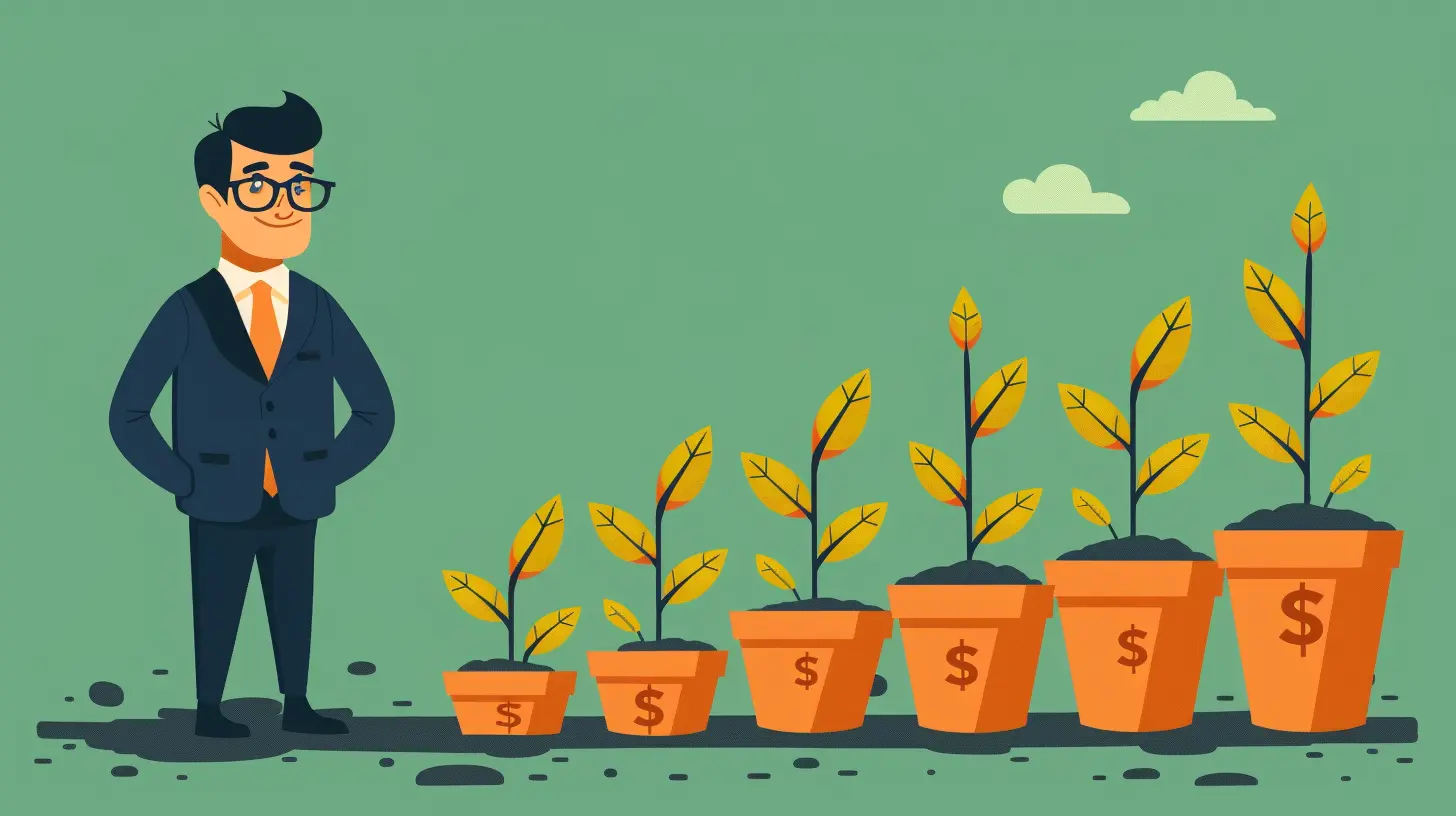
Strategy #2: Community-Led Retention (The New Loyalty Program)
Loyalty programs are dead. Okay, not dead—but the old “buy 10 coffees, get one free” model is on life support. By 2026, the most powerful retention tool won’t be a punch card; it’ll be a tribe. People don’t stay loyal to a brand because of points. They stay because they feel like they belong. Think about the last time you joined a Facebook group for a product you love. You weren’t there for the discounts; you were there for the camaraderie, the tips, the inside jokes.Scaling a community means building a space—whether on Discord, Slack, or your own platform—where customers can connect with each other and with your brand. It’s not about you talking at them; it’s about them talking to each other. For example, a fitness app could create a “January Warriors” group for members who want accountability. A skincare brand could host a weekly “Ask the Esthetician” AMA. The key is to make the community feel exclusive but accessible, like a secret club that anyone can join.
And here’s the beautiful part: communities scale organically. One happy member invites a friend. That friend becomes a power user. Before you know it, you’ve got a self-sustaining ecosystem that reduces churn and increases lifetime value without you lifting a finger. It’s like planting a garden that waters itself.
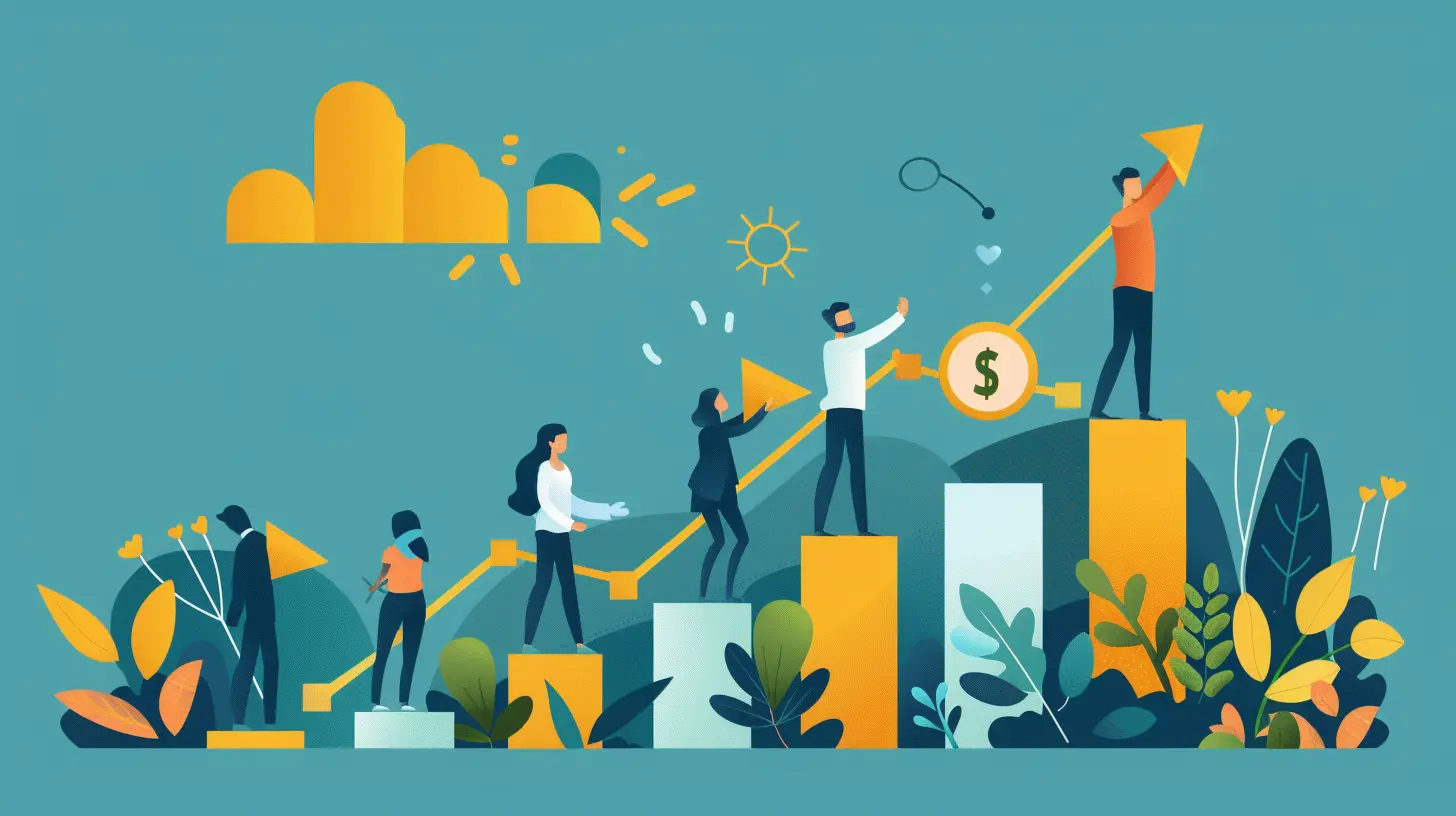
Strategy #3: The “Micro-Moment” Retention Loop
In 2026, attention is the most valuable currency. Your customers are bombarded by thousands of ads, notifications, and emails every day. To retain them, you need to win their attention in micro-moments—those tiny, fleeting seconds when they’re open to engaging. Think of it like catching raindrops in a cup. You can’t catch them all, but you can position your cup where the rain falls most often.How do you do this? By creating a retention loop that triggers small, delightful interactions at the right time. For example, after a customer completes a purchase, send them a personalized video thank-you (not a generic text). A week later, share a pro tip on how to use the product better. A month later, ask for a review with a fun twist—like a 10-second voice note instead of a survey. Each interaction is tiny, but together, they build a rhythm of engagement.
The secret is timing. Use predictive analytics to identify when a customer is most likely to disengage—like after a failed delivery or a long pause in activity. Then, hit them with a “We miss you” message that includes a specific, low-effort offer. Not a 20% off coupon, but something like, “Hey, we just restocked your favorite scent. Want us to set aside one for you?” It’s low pressure, high relevance, and it works.
Strategy #4: Ethical Onboarding That Builds Trust (Not Just Features)
Here’s a hard truth: most churn happens in the first 30 days. If your onboarding process is a boring checklist of features, you’re setting yourself up for failure. By 2026, onboarding needs to be an experience that builds trust, not just knowledge. Think of it like a first date. You wouldn’t spend the entire dinner talking about your resume, right? You’d listen, ask questions, and show genuine interest.Scalable onboarding in 2026 uses interactive, choose-your-own-adventure style flows. Instead of a static tutorial, let the customer decide what they want to learn first. Use video snippets, gamification, and real-time feedback. For example, a SaaS tool could offer a 5-minute “quick win” challenge that helps the customer achieve a small result immediately. Then, follow up with a human touch—like a brief check-in call or a personalized email from a real person.
The goal is to create a “wow” moment within the first week. That moment could be as simple as a personalized dashboard that shows their progress, or a surprise upgrade for a week. Whatever it is, make it memorable. Because if they don’t feel the value early, they won’t stick around to see the long-term benefits.
Strategy #5: The “Exit Interview” as a Growth Tool
Nobody likes losing a customer. But here’s a mindset shift: every cancellation is a free focus group. In 2026, the best retention strategies will include a robust, automated exit interview process that doesn’t feel like a guilt trip. Instead of a pop-up that says, “Are you sure? We’ll miss you!” (which everyone ignores), use a conversational AI that asks open-ended questions like, “What’s the one thing we could have done better?”Then, here’s the key: actually use that feedback. Close the loop. If multiple customers say they’re leaving because of poor customer support, don’t just nod and move on. Invest in a better support system, then send a follow-up to those former customers saying, “Hey, we heard you. We’ve improved our response times. Want to give us another shot?” This isn’t just about win-backs; it’s about showing that you listen. And that builds long-term trust, even with people who left.
Scaling this means automating the collection and analysis of exit data. Use natural language processing (NLP) to categorize reasons for churn—price, product fit, support, etc.—and then create playbooks for each category. For example, if price is the issue, trigger a “hardship discount” offer. If product fit is the issue, offer a free consultation to help them use the product better. The goal is to turn a loss into a learning opportunity.
Strategy #6: Subscription Flexibility as a Retention Lever
By 2026, rigid subscription models will be a relic. Customers want control. They want to pause, downgrade, upgrade, or skip without talking to a human. If you make it hard to leave, you’ll breed resentment. If you make it easy, you’ll build loyalty. It sounds counterintuitive, but it’s true. Think of it like a gym membership. The gym that lets you cancel online with one click? You’re more likely to come back when you’re ready. The gym that forces you to call and argue? You’ll never return.Scalable subscription flexibility means offering a “pause” option for any reason. For example, a meal kit service could let customers skip a week with a single tap. A streaming service could allow a “sabbatical” mode that freezes the account for up to 3 months. This reduces churn because it removes the friction of cancellation. And when the customer returns, they’re often more engaged than before.
The data backs this up: companies that offer pause options see a 20–30% reduction in churn. Plus, it creates goodwill. When a customer knows they can take a break without losing their history or settings, they feel valued, not trapped.
Strategy #7: The “Surprise and Delight” 2.0 (No, Not Free Stuff)
Old-school “surprise and delight” meant sending a free t-shirt or a coupon. That’s fine, but it’s also forgettable. By 2026, the most effective surprises will be experiential, not transactional. Think of it like a magician who doesn’t just pull a rabbit out of a hat—he makes you feel like you’re part of the trick.Scalable surprises could include: a personalized video from a team member wishing them a happy anniversary (not just a generic email), a custom piece of content (like a playlist or a wallpaper) based on their usage, or early access to a new feature. The key is that the surprise feels earned, not random. It should be tied to their behavior, like “You’ve been a power user for 6 months, so here’s a sneak peek at our next release.”
These surprises scale because you can automate them using triggers. For example, after a customer reaches a milestone (100th order, 1-year anniversary, etc.), your system automatically generates a unique, personalized asset. The cost is low, but the emotional impact is high. And in 2026, emotion is the ultimate retention currency.
Putting It All Together: The 2026 Retention Stack
So, how do you actually implement all of this? You need a tech stack that connects the dots. Think of it like a conductor leading an orchestra. Each instrument—your CRM, your analytics tool, your email platform, your community software—needs to play in harmony. In 2026, the best stacks will include:- AI-driven CDP (Customer Data Platform): Unifies all data sources and predicts churn risk.
- Behavioral email platform: Sends personalized, timed messages based on micro-moments.
- Community software: Builds and manages customer groups without manual effort.
- Feedback loop tool: Automates exit interviews and sentiment analysis.
- Flexible billing engine: Handles pauses, upgrades, and downgrades seamlessly.
But here’s the thing: tools are just tools. The real magic is in how you use them. Don’t automate everything to the point of coldness. Keep a human touch. Let your AI handle the heavy lifting, but let your people handle the empathy. In 2026, the brands that win will be the ones that balance efficiency with authenticity.
Final Thoughts: Retention Is Not a Campaign, It’s a Culture
I’ve said it before, and I’ll say it again: retention is not a strategy you execute; it’s a mindset you live. By 2026, the customers you retain will be the ones who feel seen, heard, and valued. They won’t stay because of a clever email sequence or a points program. They’ll stay because your brand has become a part of their identity.So, ask yourself: are you building a bucket that leaks, or a garden that grows? The choice is yours. But remember, the best time to plant a tree was 20 years ago. The second best time is right now. Start scaling your retention strategies today, and by 2026, you’ll have a forest of loyal customers that no competitor can touch.
all images in this post were generated using AI tools
Category:
Scaling A BusinessAuthor:

Matthew Scott
Discussion
rate this article
2 comments
Myles Dillon
Investing in personalized communication and leveraging data insights will be crucial for businesses aiming to enhance customer loyalty and retention in 2026.
July 5, 2026 at 3:03 AM
Matthew Scott
Absolutely. Tailored communication backed by data is key to building strong customer relationships and driving loyalty.
April McCarthy
Retention in 2026? Just keep customers happy and throw in some free pizza occasionally!" 🍕
April 27, 2026 at 12:02 PM
Matthew Scott
Great idea! Happy customers are loyal customers, and who doesn't love pizza? It's all about those personal touches.