Harnessing Machine Learning to Improve Business Analytics Outcomes
15 May 2026
Let’s be real—data is everywhere. Every click, swipe, purchase, and even a scroll online turns into data. For businesses, this data is like hidden treasure. But here's the catch: just having data isn’t enough. You need to make sense of it. That's where machine learning (ML) steps in like a superhero, ready to turn chaos into insights.
In this post, we're diving deep into how businesses—big and small—are using machine learning to not only survive but thrive in the world of analytics. Don’t worry, I’ll keep the jargon to a minimum and the value sky-high.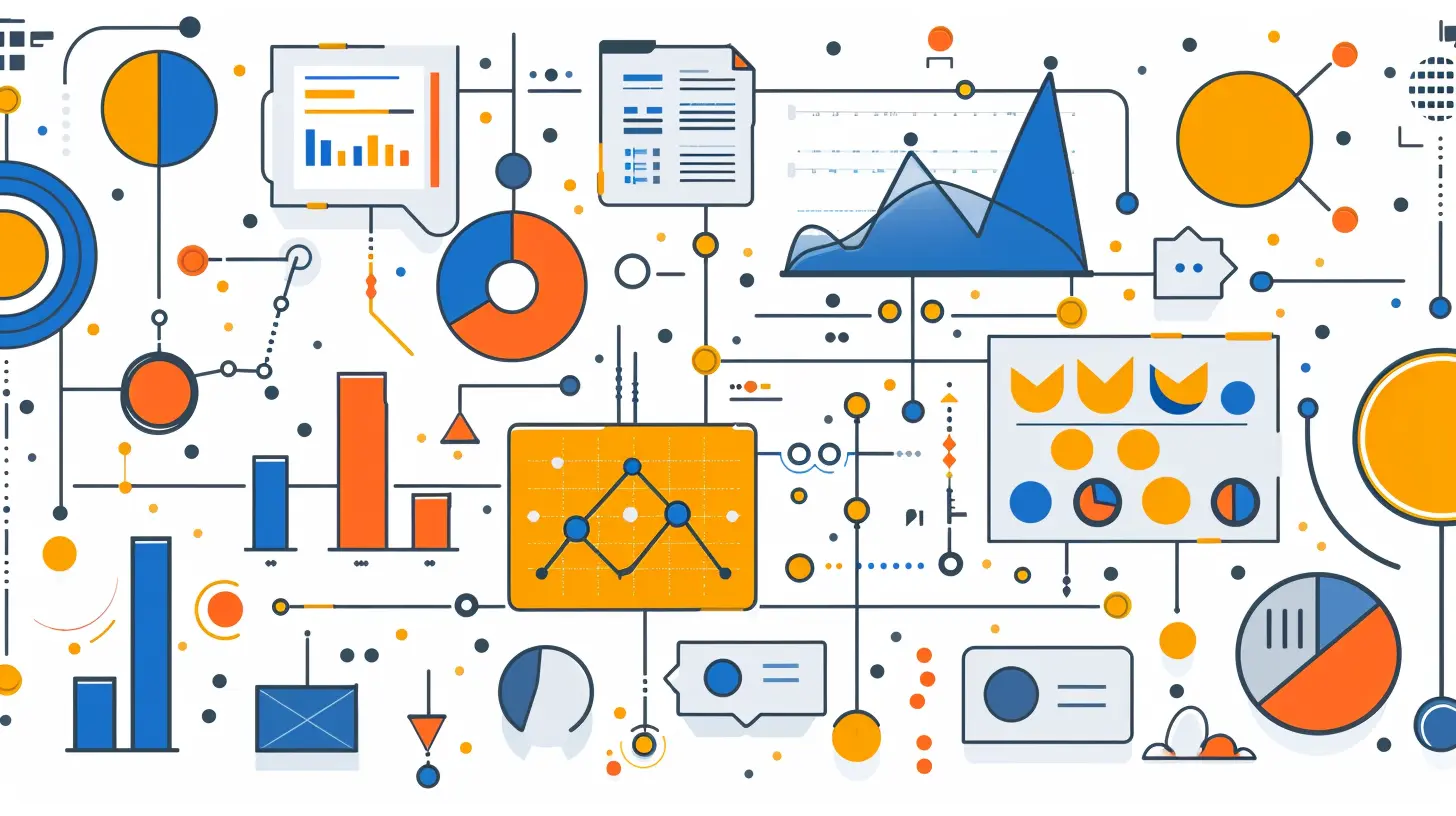
What is Machine Learning Anyway?
Before we go full throttle, let's break it down. Machine learning is a type of artificial intelligence (AI) that allows computers to learn from data and improve over time without being explicitly programmed.Think of it this way: it’s like teaching a dog new tricks, except instead of treats, the computer gets better with more data. The more it learns, the smarter it gets, and voila—it starts making predictions, spotting trends, and even automating decisions.
Now, the big question: how does this relate to business analytics?
Business Analytics: The Heartbeat of Growth
Business analytics is all about using data to make smarter decisions. Whether it’s figuring out what products are flying off the shelves or predicting customer churn, analytics helps businesses pinpoint what’s working and what needs a little extra love.Traditionally, this meant dashboards and reports made by analysts—manual, time-consuming, and often not real-time. Enter machine learning, and you get a turbocharged version of analytics that’s faster, smarter, and yes, much more accurate.
The Perfect Marriage: Machine Learning + Business Analytics
Let’s talk synergy. Machine learning and business analytics go together like peanut butter and jelly. Here’s how machine learning steps in to supercharge those analytics outcomes:1. Predicting the Future (Without a Crystal Ball)
One of the coolest things about ML is predictive analytics. Instead of reacting to what happened, businesses can now forecast what’s likely to happen next.For example:
- ML models can predict which customer is likely to churn.
- They can forecast future sales based on seasonality or market trends.
- They even help with budgeting by estimating future costs.
In short, machine learning helps you stop putting out fires and start preventing them.
2. Customer Segmentation Like a Boss
You might have thousands of customers, but not all of them are the same. Machine learning can sift through your customer data and group them into meaningful segments based on behavior, preferences, and past actions.Why does this matter?
- You can tailor marketing campaigns more effectively.
- You’ll improve user experience and increase engagement.
- You make better pricing and product decisions.
It’s like having night vision goggles for your customer data—you see things others miss.
3. Real-Time Insights with Automation
Speed matters. With machine learning, businesses don’t need to wait days or weeks to get reports. ML models can crunch numbers on the fly, delivering real-time insights that let you stay ahead of the curve.Use cases?
- E-commerce sites updating recommendations based on live user behavior.
- Fraud detection systems flagging suspicious transactions instantly.
- Supply chain systems adjusting routes in real-time for efficiency.
Time is money, and ML makes sure you’re not wasting either.
4. Cleaning Up the Data Mess
Let’s face it—raw data is messy. It's full of duplicates, errors, and inconsistencies. Machine learning algorithms can be trained to clean, organize, and prepare data automatically.This not only saves time but also ensures the insights you draw are based on clean, reliable data. It's like having a magic vacuum that sucks up all the dirt and leaves shiny, usable information.
5. Making Sense of Unstructured Data
You know all those emails, tweets, reviews, and customer service chats? That's unstructured data, and it’s a goldmine if you know how to handle it.ML-powered natural language processing (NLP) tools can read, understand, and analyze text data. This helps businesses:
- Understand customer sentiment.
- Identify trending topics.
- Automate customer support with smart chatbots.
You’re no longer limited to spreadsheets. Now, every word your customer writes can turn into valuable insight.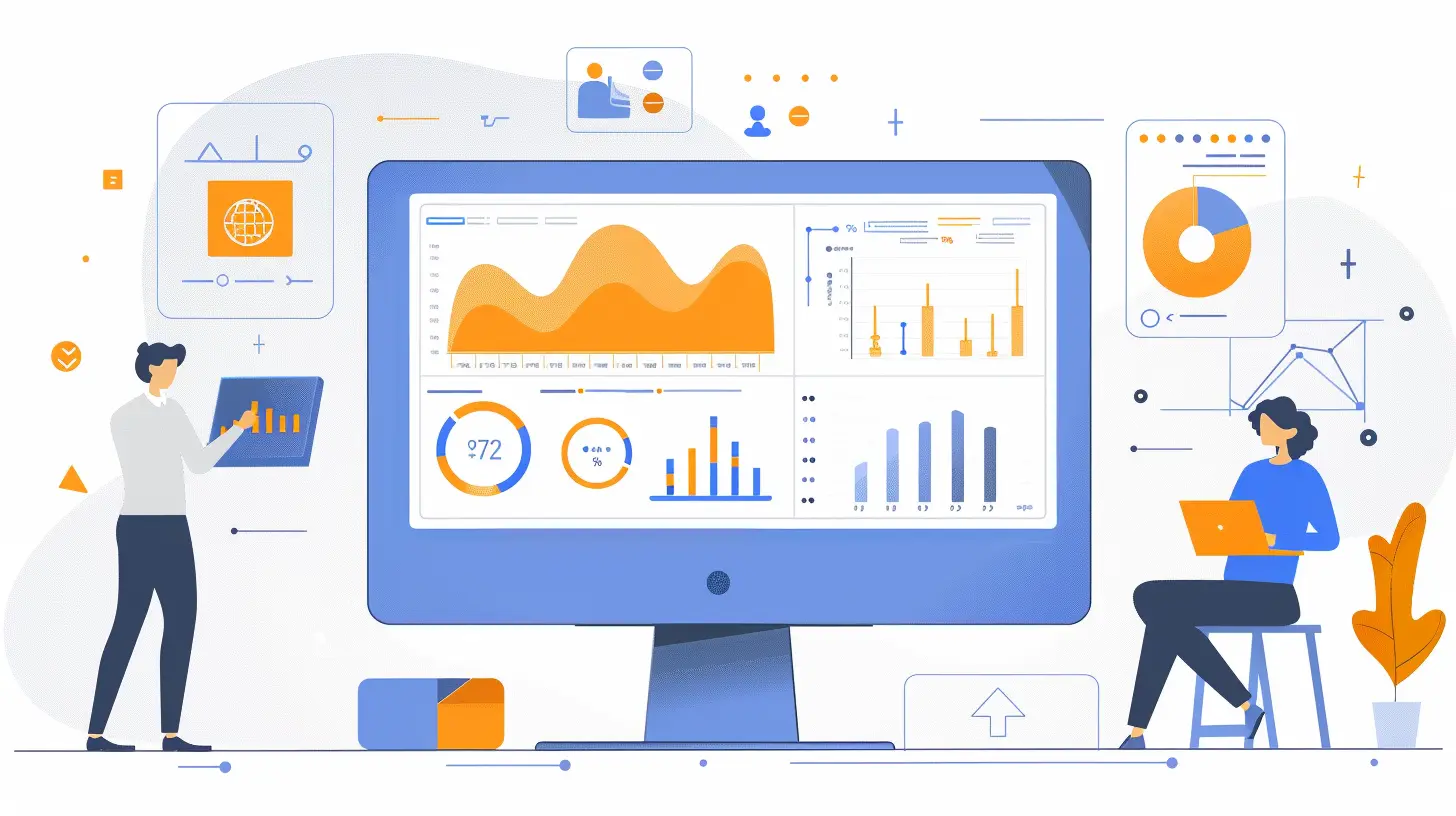
Real-Life Examples That’ll Blow Your Mind
Still wondering how this all plays out in the real world? Here are a few examples:Netflix
Ever wonder how Netflix always knows what show to recommend next? That’s machine learning analyzing your viewing history, watch times, likes, and more to serve up content you’ll love.Amazon
Their recommendation engine? It's built on machine learning, analyzing billions of data points to offer personalized shopping experiences.Starbucks
Using ML, Starbucks forecasts store traffic, optimizes staff schedules, and tweaks inventory—all based on real-time data.These big players aren’t just using data—they’re using ML to make that data smarter.
Getting Started: How Your Business Can Leverage ML
You don’t have to be a tech giant to tap into the power of machine learning. Here’s a simple roadmap to get started:1. Start with a Problem
What keeps you up at night? Is it customer churn? Inventory issues? Sales forecasting?Identify a pressing problem that you wish you could predict or automate. This will serve as your starting point.
2. Collect Quality Data
Machine learning feeds on data. Gather the most relevant, high-quality data possible. Remember: garbage in, garbage out.3. Choose the Right Tools
You don’t need to build everything from scratch. There are user-friendly ML platforms like:- Google Cloud ML
- Azure Machine Learning
- Amazon SageMaker
- DataRobot
Many of these come with pre-built models and easy integration features.
4. Start Small, Think Big
Don't try to revolutionize your entire business overnight. Start with a pilot project. Test, measure, iterate, and then scale up your efforts.5. Upskill or Partner
If your team isn’t ML-savvy, consider hiring a data scientist or partnering with a consultant. Investing in skills pays off big time in the long run.The Challenges (And How to Navigate Them)
Sure, ML is powerful—but it’s not magic. There are hurdles along the way:- Data Privacy: With great data comes great responsibility. Always comply with GDPR and other privacy laws.
- Bias in Algorithms: ML models can inherit bias from historical data. Make sure to regularly audit and test models.
- Complexity: It can get technically intense. But that’s fixable with the right team and tools.
The key? Start small. Focus on business value. And keep learning as you go.
The Future is Now
Machine learning isn't some futuristic concept—it’s already reshaping how businesses operate. From marketing and operations to finance and HR, every vertical can benefit from smarter analytics.And the best part? It’s accessible. Whether you're a startup or a seasoned enterprise, there's a way to infuse machine learning into your analytics efforts.
So ask yourself: are you ready to stop guessing and start knowing?
Wrapping It Up
At its core, harnessing machine learning to improve business analytics outcomes is about making better decisions—faster, smarter, and with more confidence. It’s not only for data scientists or tech elites. It’s for anyone who wants their business to run sharper and smarter.So don’t be afraid to get your hands dirty. Start exploring small ML-powered solutions today. Because the businesses that understand their data best? They’re the ones that lead the pack.
all images in this post were generated using AI tools
Category:
Business AnalyticsAuthor:

Matthew Scott
Discussion
rate this article
1 comments
Kimberly Larsen
Machine learning can transform business analytics by uncovering deeper insights and driving data-driven decisions that enhance overall performance.
May 17, 2026 at 3:14 AM
Matthew Scott
Absolutely! Machine learning offers powerful tools for extracting insights that can truly elevate business analytics and decision-making.