How Dashboard Analytics Can Drive Real-Time Business Performance
28 March 2026
Have you ever felt like your business is flying blind—making decisions based on gut feelings instead of hard data? If so, you’re definitely not alone. But here's the good news: it doesn't have to be this way. Welcome to the world of dashboard analytics—a game-changer for any business that wants to stay ahead of the curve and make smart moves in real time.
In this article, we’re going to break down exactly what dashboard analytics is, why it's such a big deal, and how it can supercharge your business performance. Whether you're a small startup or an established brand, this is something you’ll want to pay attention to.
What Is Dashboard Analytics, Anyway?
Let’s start with the basics. Think of dashboard analytics like the dashboard in your car. It shows your speed, fuel level, engine status, and more—so you can keep things running smoothly without guessing.Now, imagine that for your business. A dashboard is a visual representation of key performance indicators (KPIs), metrics, and data points in real time. It gathers data from multiple sources and displays it in one easy-to-understand interface. So instead of bouncing between spreadsheets, sales reports, and CRM tools, you get everything you need in one place.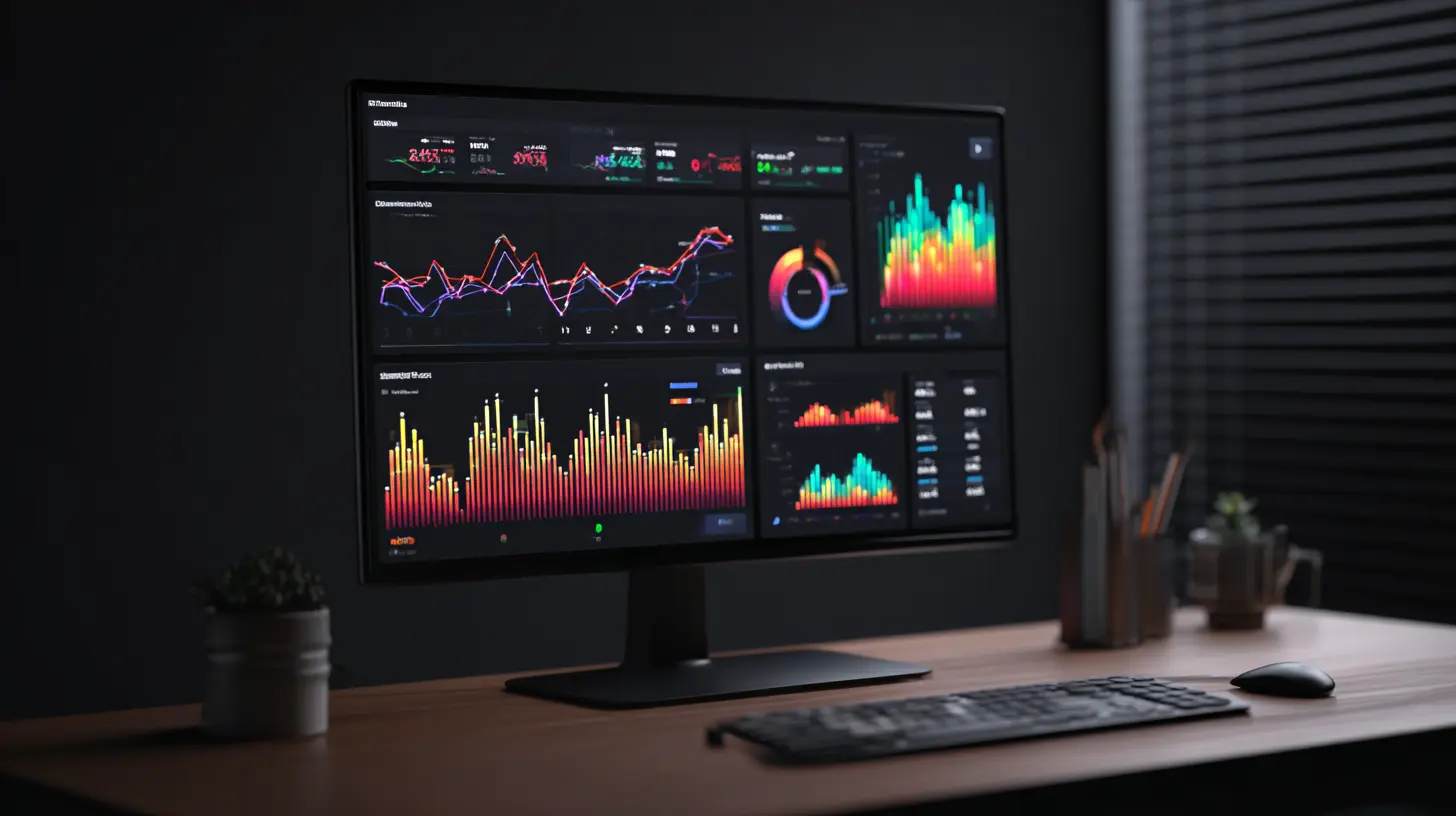
Why Real-Time Matters (Spoiler: It’s Everything)
Picture this: you're driving on the highway, but your speedometer only updates every 10 minutes. Yikes, right? That delay could be dangerous. The same goes for your business.Real-time data gives you the power to act fast. It’s like having a pulse on your company every second of the day. Here’s why that matters:
- Quick Decision Making: You can respond to changes as they happen—not after the fact.
- Spot Issues Instantly: Notice a drop in sales or a spike in customer complaints? Dashboards help you catch it before it snowballs.
- Stay Competitive: Companies that can pivot on a dime often outperform those that wait for the monthly report.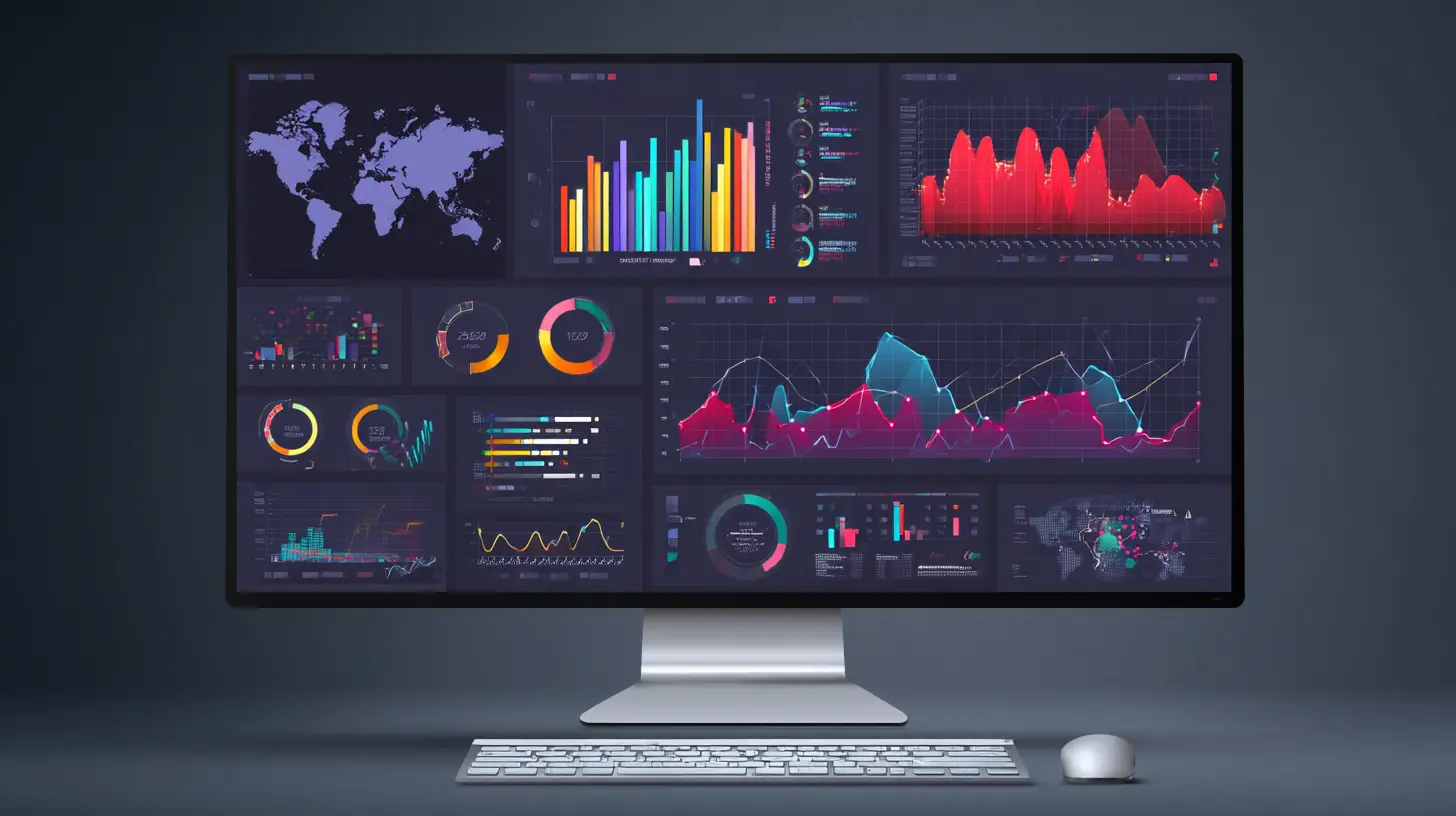
Real-World Benefits of Dashboard Analytics
Alright, let's cut to the chase. How can dashboard analytics actually make your business better? Here are some of the big wins:1. Improved Operational Efficiency
Time is money, right? With dashboard analytics, your team spends less time digging through data and more time acting on it. You can automate reports, monitor production lines, and even forecast inventory needs—all in one place.2. Data-Driven Decision Making
Gone are the days of making business choices based on hunches. With dashboards, your decisions are backed by real numbers. Whether you're launching a new product or evaluating team performance, you've got the insights to guide you.3. Enhanced Collaboration
When everyone can see the same data, you cut down on confusion and finger-pointing. Teams work better together with a shared understanding of goals, progress, and challenges. Plus, it’s way easier to keep leadership in the loop.4. Customer Satisfaction
Ever wonder what your customers are really experiencing? Dashboards can track live feedback, support ticket trends, and even social media sentiment. That means you can address pain points before they become PR nightmares.5. Revenue Growth
At the end of the day, it’s all about the bottom line. Real-time analytics help you identify what’s working (so you can double down) and what’s not (so you can fix it). That translates to smarter spending and more profit.
Components of an Effective Business Dashboard
Not all dashboards are created equal. If you want yours to actually drive performance, it needs a little more than just pretty charts. Here's what to aim for:- Clear and Concise Visuals
You don’t want a wall of confusing data. The best dashboards are simple, visual, and focused on what matters most.- Custom KPIs
Your business isn’t like anyone else’s—so your dashboard shouldn’t be either. Choose metrics that reflect your unique goals. These could include customer acquisition cost, churn rate, sales by region, or anything else that moves the needle for you.- Real-Time Data Integration
If your data isn’t real-time, your dashboard is basically just a fancier spreadsheet. Make sure your tools are syncing up to give you live updates.- Mobile Accessibility
Let’s face it—we’re all glued to our phones. A good dashboard should be mobile-friendly so you can stay informed on the go.- User-Friendly Interface
No one wants to spend hours learning how to use a new tool. Your dashboard should be intuitive and easy enough for non-tech folks to navigate without a manual.Industries That Benefit Most From Dashboard Analytics
Honestly? Pretty much every industry can gain from this. But some stand out because of how fast they need to move and how complex their operations are.🔹 E-commerce
Track shopper behavior, cart abandonment, sales, and inventory in real time.🔹 Healthcare
Monitor patient data, staff productivity, and hospital operations on the fly.🔹 Manufacturing
Keep an eye on production line efficiency, supply chain issues, and equipment health.🔹 Finance
Follow investments, cash flow, and financial risks as they happen.🔹 Marketing
Watch campaign performance, conversion rates, and audience engagement without delay.Real-Time Dashboard Use Cases That Might Surprise You
Maybe you're still wondering how this looks in practice. Let's walk through a few real-life scenarios that showcase the magic of dashboard analytics.📈 Sales Teams Closing More Deals
Imagine a sales dashboard that updates as leads come in, tracks performance by rep, and even shows which products are hottest. Sales managers can spot low performers and guide them in real time—no more waiting for quarterly reviews.🛒 Retail Stores Optimizing Inventory
A retail chain uses dashboards to view sales numbers by location, monitor stock levels, and predict which items are about to run out. That way, they’re never stuck with empty shelves or wasted inventory.📞 Customer Support Teams Reducing Wait Times
Support managers can see call volume spikes and ticket response times in real time. If things get too backed up, they can reallocate agents instantly and keep customers happy.How to Get Started (Without Breaking the Bank)
Ready to dive into dashboard analytics? Good news—it doesn’t have to be complicated or expensive. Here’s a simple game plan:1. Identify Your Goals
What are you trying to improve—sales? customer service? productivity?
2. Choose the Right Tools
There are tons out there: Tableau, Power BI, Google Data Studio, Klipfolio—each with its own perks. Find one that fits your budget and needs.
3. Pull the Right Data
Connect your CRM, website, social media, accounting software—whatever you use. Make sure the data is clean and consistent.
4. Build Your Dashboard
Start simple. Focus on 3–5 key metrics and expand from there as needed.
5. Make It a Habit
Don’t just build it and forget it. Check the dashboard daily, share it with your team, and let the data guide your actions.
The Human Side of Data
Let’s be real—talking about KPIs and dashboards can sound super technical. But at its core, dashboard analytics is about people. It’s about helping teams work better, leaders make smarter choices, and customers feel more cared for.When you know what’s happening in your business in real time, you’re no longer reacting to problems—you’re preventing them. You’re not just guessing what your customers want—you’re delivering it before they even ask.
Final Thoughts: Don't Let Data Go to Waste
In today’s fast-moving world, information is power—but only if you can access, understand, and act on it quickly. Dashboard analytics puts that power in your hands. It cuts through the noise, brings clarity to chaos, and helps steer your business in the right direction—minute by minute, day by day.So if you're still relying on outdated reports and gut instincts, maybe it’s time to shift gears. A real-time dashboard won’t just show you where you’ve been—it’ll point you exactly where to go next.
Tick-tock… is your dashboard keeping up?
all images in this post were generated using AI tools
Category:
Business AnalyticsAuthor:

Matthew Scott
Discussion
rate this article
2 comments
Yvette McLaurin
This article highlights the transformative power of dashboard analytics in enhancing real-time business performance. By leveraging data visualization, companies can make informed decisions quickly, driving efficiency and growth in today’s fast-paced market environment.
April 18, 2026 at 4:20 AM
Matthew Scott
Thank you for your insightful comment! I'm glad you found the article highlights the vital role of dashboard analytics in driving informed decision-making and enhancing business efficiency.
Shania McNeely
Great insights on leveraging dashboard analytics! It’s crucial for enhancing real-time business performance. Thank you!
March 28, 2026 at 1:23 PM
Matthew Scott
Thank you for your feedback! I'm glad you found the insights valuable for enhancing business performance.