How to Network at Trade Shows and Expos for Maximum ROI
23 January 2026
Trade shows and expos. Just saying those words can stir a mix of excitement and dread. On one hand, they're golden opportunities to meet potential clients, partners, and even mentors. On the other hand, they can feel like chaotic marathons of awkward handshakes, forced smiles, and a stack of business cards that never see the light of day again.
The truth? Trade shows and expos aren't just about showing up with a shiny booth or a pile of brochures. They're about strategic networking. Done right, they can generate massive returns—both financially and professionally. Done wrong, they're just expensive field trips.
So, how do you turn a few days on the convention floor into lasting relationships and real ROI?
Grab your badge. Let’s break it all down!
Why Trade Show Networking Matters More Than You Think
Let’s be real: Most people show up to trade shows thinking about selling. But you know what? The best ROI doesn’t come from selling. It comes from connecting.Networking isn’t a soft skill; it’s your secret sales engine.
Think about it—if you make ten genuine connections, each one could turn into a partner, a referral, or a long-term customer. That’s long after the expo banners come down and the free pens run out.
And the kicker? Your competitors are probably still treating it like a business card-gathering contest. That’s your edge!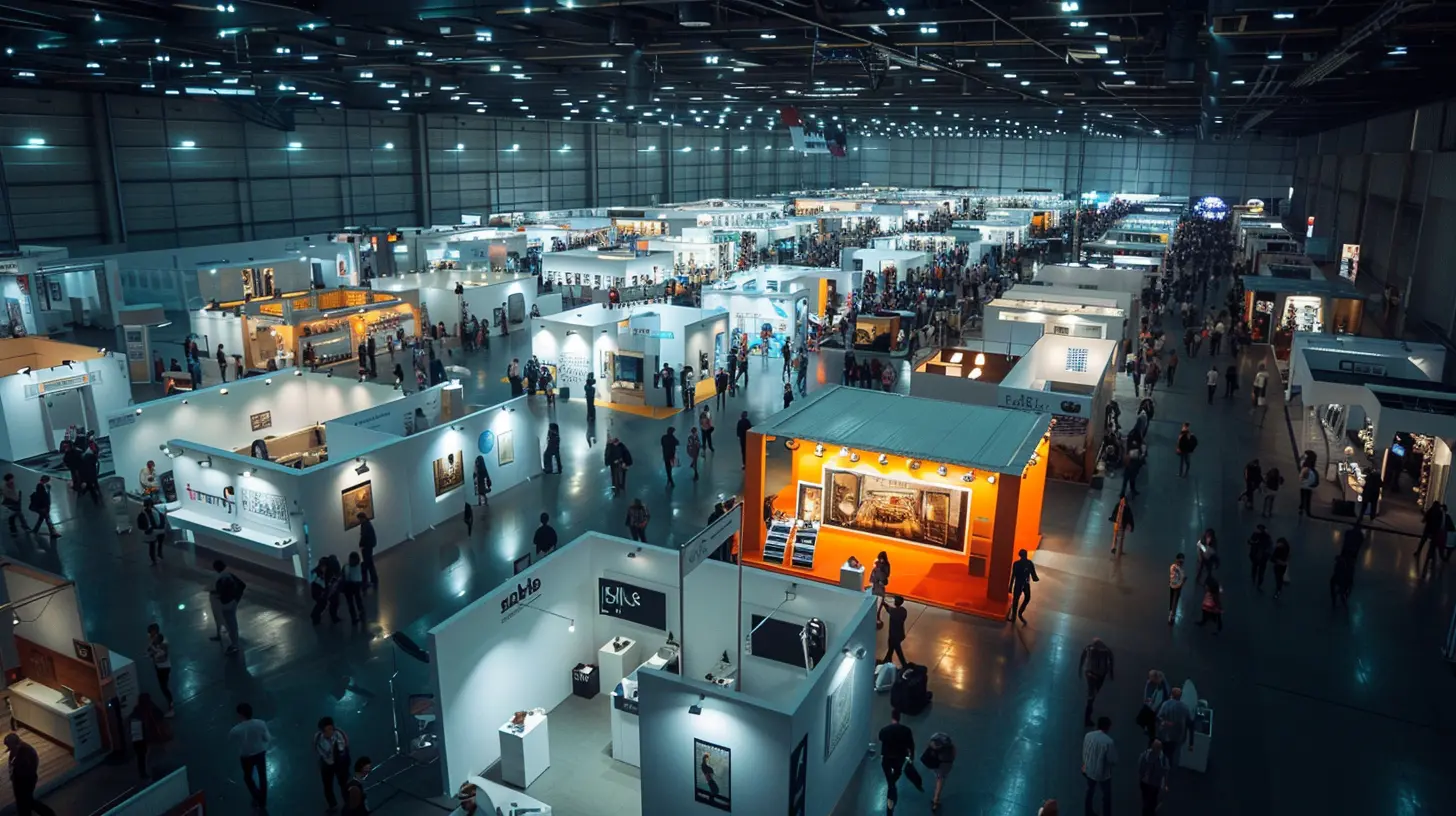
Before the Trade Show: Lay the Groundwork
1. Set Clear Goals
First things first: Know why you're attending.Are you looking to…
- Build brand awareness?
- Find new clients?
- Scout partnerships?
- Research competitors?
Having clear goals makes your networking efficient. You won't just wander around booths—you'll navigate the expo with laser focus.
2. Do Some Homework
Look up the attendee list (if it's available). Research key speakers, sponsors, and the companies exhibiting.Make a short list of people you want to talk to. Find out:
- What are their roles?
- What’s trending in their industry?
- Have they written blog posts, published articles, or spoken on podcasts?
This makes your conversations more personal and way more impactful.
3. Schedule Meetings in Advance
Don’t leave it all to chance. If there's someone you really want to meet, reach out a few weeks ahead.Shoot them a message on LinkedIn or via email. Something like:
> “Hey [Name], I saw you’ll be at [Event Name]. I’d love to learn more about what you're doing at [Company Name] and how we might collaborate. Any chance to grab a quick coffee at the expo?”
Simple. Friendly. Effective.
During the Trade Show: Network Like a Pro
4. Ditch the Sales Pitch—Start Conversations
Nobody—and I mean nobody—likes being pitched the moment they shake your hand. Trade shows are networking events, not infomercials.Instead of throwing out your elevator pitch, ask questions like:
- “What brings you to the show?”
- “What’s the most interesting thing you’ve seen here?”
- “What’s your biggest challenge in your industry right now?”
Let the conversation flow naturally. When people feel heard, they open up.
5. Be Present (Put the Phone Down)
You’re surrounded by potential opportunity. Don’t spend it checking emails every five minutes or scrolling through Instagram.Be where your feet are. Make eye contact, listen actively, and respond thoughtfully.
You’d be amazed at how rare that is—and how memorable it makes you.
6. Master Your Elevator Pitch (But Use It Sparingly)
Yes, you should have a short, punchy description of what you do. But think of it more like a seasoning than the whole meal.Keep it simple. Engage them.
> “I help small businesses scale their marketing in really scrappy ways.”
Boom. That’s intriguing. Way better than, “I’m a digital marketing consultant specializing in omnichannel strategic alignment.” Yawn.
7. Use Business Cards Strategically
Business cards still matter—kind of. But don't go on a passing spree.Instead, wait until the end of a great conversation and say, “Mind if I give you my card?” Or even better, ask for theirs first.
Even better? Jot a note on the back of the card right after you talk. Something like “talked about podcast collab” or “interested in CRM tool”. That’ll save you so much confusion later.
Better still? Use LinkedIn to connect on the spot. No one loses a LinkedIn connection like they do a business card.
After the Trade Show: Follow-Up Like a Boss
8. Strike While the Iron’s Hot
Within 48 hours of the show, follow up with your new connections. Keep it personal and reference your convo.Something like:
> “Hey Steve, it was great talking about the challenges of scaling remote teams! Loved your tips on async communication—let’s definitely stay in touch. Here's that article I mentioned.”
Attach a helpful resource. Suggest another meeting. Keep the momentum going.
9. Categorize Your Leads
All contacts aren't created equal.Sort them into:
- Hot Leads: Ready to buy, collaborate, or meet soon.
- Warm Leads: Interested, but need nurturing.
- Cool Leads: Casual conversations. Keep in touch just in case.
Use a CRM or even a simple spreadsheet to track follow-ups, notes, and next steps. Organization = monetization.
10. Share the Experience
Post-event content can be golden for brand visibility. Write a LinkedIn post, blog article, or record a short video sharing your takeaways.Tag people you met, mention booths you loved, and thank the organizers.
It’s free exposure, plus it shows you're active, thoughtful, and connected.
Pro Tips for Maximizing ROI
11. Attend After-Hours Events
The real connections? They often happen after the expo closes.Happy hours, dinners, and private parties are networking goldmines. People are more relaxed, open, and authentic. Just keep it professional—this isn’t college spring break.
12. Offer Value First
Always lead with value. Can you introduce them to someone useful? Share an article? Recommend a tool?When you’re generous, you stay top of mind.
And when you follow up, don’t just ask, “Do you need my services?” Instead ask, “How can I support what you're working on?”
It reframes the relationship from transactional to collaborative.
13. Don’t Overlook the Small Guys
Sure, the big-name booths may be flashy. But sometimes the real gems are startups and smaller vendors.They’re often more innovative, hungry to connect, and open to partnerships.
And who knows? The guy in the tiny 10x10 booth today might be running a unicorn next year.
Common Mistakes to Avoid
Let’s talk about what not to do:- Spamming your pitch like you're on late-night TV
- Hoovering up free swag without making eye contact
- Ignoring body language cues (if someone keeps checking their watch, let them go)
- Failing to follow up (this one's the real killer)
- Not measuring results
Yep—that’s right. Track your ROI.
How to Measure Networking ROI
Networking can feel intangible, but it’s not. Use these metrics:- Number of qualified leads generated
- Meetings booked post-event
- Partnerships initiated
- Sales closed from event contacts
- Website traffic from event mentions
- Social media engagement from event-related content
Set up custom tracking links or codes if needed. ROI isn't just about money—it’s about momentum.
Final Thoughts: Network with Intention, Not Desperation
Here’s the big takeaway: Networking at trade shows isn’t about collecting cards or blasting your pitch. It’s about building relationships.You don’t need to talk to 500 people. Talk to 20, and make 5 of them really count.
Stop thinking of ROI in terms of dollars alone. Think long-term: partnerships, referrals, brand growth, and credibility.
So the next time you hit up an expo, go in with a plan. Be curious. Be kind. Be helpful.
Because that’s how you turn a noisy convention center into a goldmine of opportunity.
all images in this post were generated using AI tools
Category:
NetworkingAuthor:

Matthew Scott
Discussion
rate this article
2 comments
Henry Perry
Networking at trade shows transcends mere transactions; it’s about cultivating authentic relationships that foster innovation and collaboration. By prioritizing meaningful connections over quantity, businesses can unlock new opportunities and insights, ultimately enhancing their ROI. Remember, it's the quality of interactions that truly shapes lasting success.
February 10, 2026 at 3:42 AM
Matthew Scott
Absolutely! Focusing on genuine connections at trade shows not only drives innovation but also maximizes ROI by creating lasting partnerships that lead to new opportunities. Quality interactions are key to success.
Zaylee Gonzalez
Channel your inner octopus: multi-tasking tentacles for networking success!
January 30, 2026 at 4:49 AM
Matthew Scott
Great analogy! Just like an octopus, effective networking requires flexibility and the ability to engage with multiple opportunities simultaneously. Embrace the multitasking mindset to maximize your ROI at trade shows!