Product Lifecycles: From Conception to Sunset
5 December 2025
Ever wondered what happens to a product after it hits the shelves? Think of a product like a living, breathing thing—it’s born, it grows, matures, and eventually reaches its golden years before riding off into the sunset. This entire journey is what we call the product lifecycle. Whether you’re launching a physical product, a digital app, or even a subscription service, understanding this cycle can be the difference between simply surviving and thriving in business.
Let’s pull back the curtain and take a heart-to-heart look at each stage of a product’s life—why it matters, how to navigate the ups and downs, and what to do when it’s finally time to say goodbye.
What Is the Product Lifecycle?
Before we dive deep, let’s get one thing clear: the product lifecycle isn’t just some dry business concept. It’s a roadmap. It shows how your product travels through the market—from its first spark of inspiration all the way to its final farewell.There are typically five main stages:
1. Conception & Development
2. Introduction
3. Growth
4. Maturity
5. Decline (or Sunset)
Each of these phases has its own quirks, challenges, and sweet spots.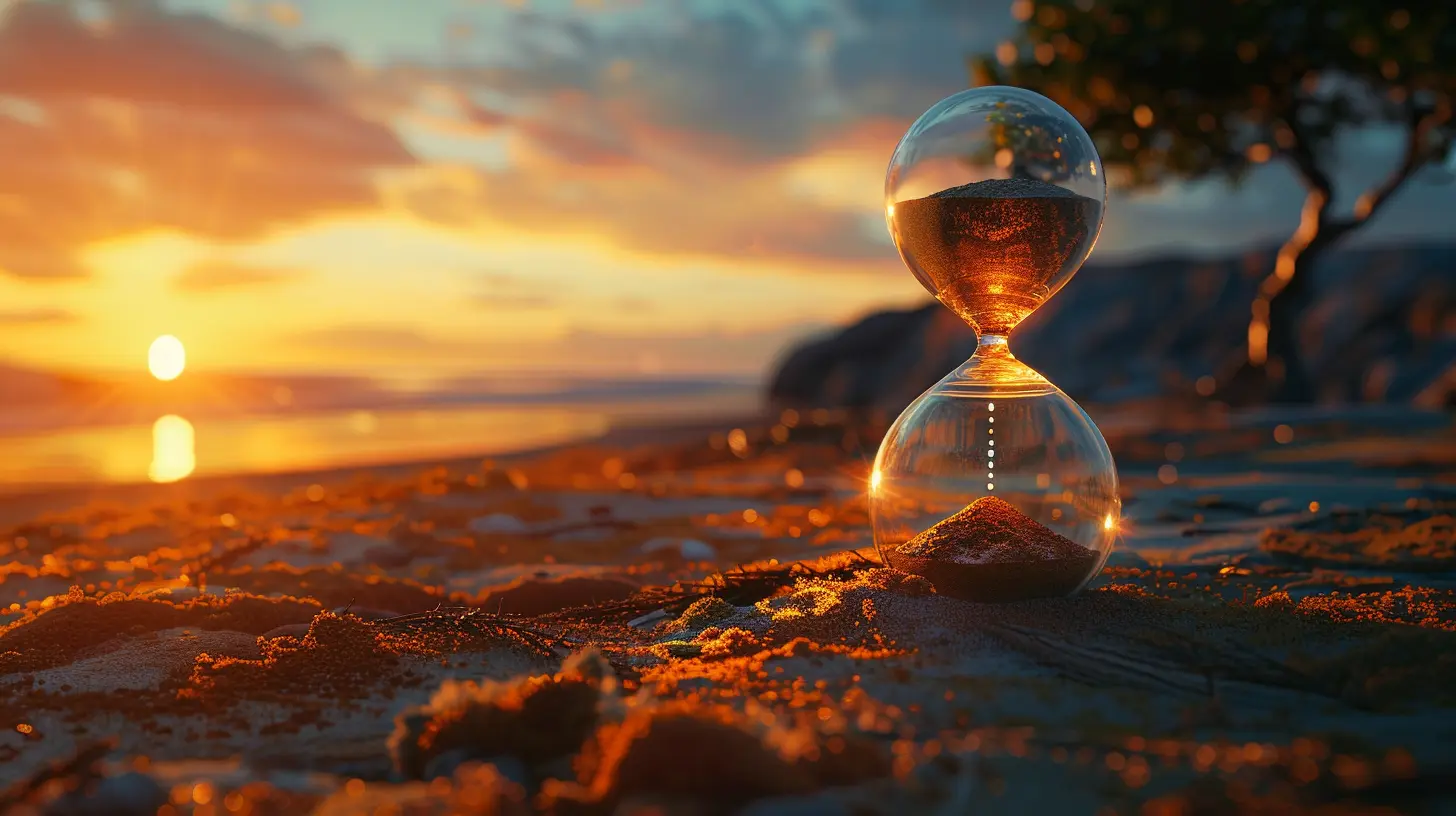
Stage 1: Conception & Development — The Birth of an Idea
Picture this: you're sipping your morning coffee and BOOM—a brilliant product idea hits you. It solves a problem, fills a gap, and you just know it could change things. That “Aha!” moment is the beginning of the product lifecycle.What Happens Here?
- Market research: You dig deep to see if people really want this solution.- Product design: Sketches, prototypes, maybe even some trial runs.
- Feasibility tests: Can you actually build this thing profitably?
- Strategy planning: Pricing, branding, competition—you map it all out.
Why It Matters:
This is the foundation. If you skip the research or rush development, you might end up building a product nobody wants. Like trying to sell ice in a snowstorm—good luck with that.👉 Pro Tip: Don’t just fall in love with your idea. Fall in love with solving your customer’s problem. That’s where real innovation lives.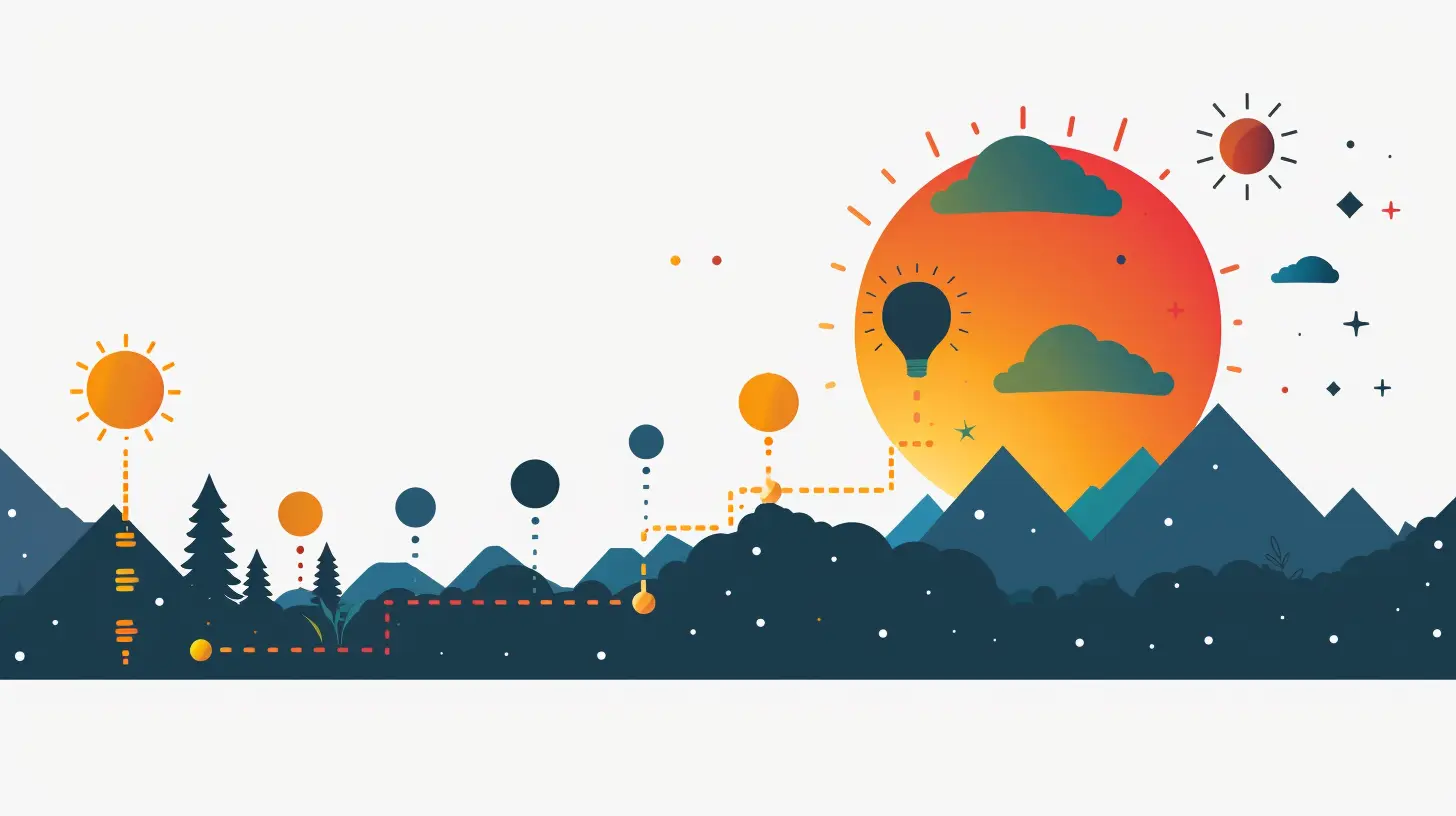
Stage 2: Introduction — Showtime, Baby!
Now it’s real. Your product is out in the wild, and it’s time to introduce it to the world. This is both exciting and nerve-wracking—you’ve poured your heart into this thing, but will the market love it?What Happens Here?
- Product launch: The big reveal, usually with a lot of marketing hype.- Early adopter feedback: These brave souls are your first users.
- Tuning and tweaking: Based on feedback, you make improvements.
Challenges:
- High marketing costs- Low initial sales (hey, Rome wasn’t built in a day!)
- Market skepticism
Think of this stage like planting a seed. Just because you water it today doesn’t mean you get fruit tomorrow. Patience (and a solid strategy) is key.
👉 Real Talk: Many products fail at this stage not because they're bad—but because they weren’t marketed right or didn’t reach the right people.
Stage 3: Growth — The Takeoff 🚀
This is the fun part. Sales are climbing, customers are happy, and the word is spreading like wildfire. If the introduction stage was planting seeds, the growth stage is when things start blooming.What Happens Here?
- Revenue and profits start rolling in- You may expand the product line or enter new markets
- More competitors start noticing you (and copying you 🤦)
Game Plan:
- Refine your marketing: Focus on what’s working.- Scale operations: Meet demand without sacrificing quality.
- Strengthen your brand: Build loyalty before imitators catch up.
Not gonna lie, this stage feels amazing—but it’s also where things can spiral fast if you're not careful. Growing too quickly without a solid base? That’s like building a skyscraper on sand.
👉 Takeaway: Growth is a blessing, yes—but only if you can manage it smartly.
Stage 4: Maturity — The Peak
Welcome to the top of the mountain. Your product is now well-established, with loyal customers, steady sales, and strong brand recognition. Sounds like a dream, right? But here’s the kicker—this is also where growth slows down.What to Expect:
- Market saturation (most people who need your product already have it)- Increased competition (copycats galore)
- Price pressure (uh oh, here come the discounts)
At this point, it’s less about growing and more about defending your turf. Think of it as switching gears from offense to defense—you’re protecting what you’ve built.
Survival Tips:
- Innovate: Can you add new features? Enter new markets?- Diversify: Launch complementary products or services.
- Retain: Keep your customers happy, loyal, and talking about you.
👉 Reality Check: This stage can last for years—or end overnight if you don’t adapt. Stay sharp.
Stage 5: Decline — Time to Say Goodbye?
Every product, no matter how iconic, eventually runs out of steam. It’s not a failure—it’s just life. Trends change, technology evolves, and new needs crop up. When sales start dropping and customer interest wanes, you’re entering the decline phase.Signs You’re in Decline:
- Sharp drop in sales- Higher cost per acquisition
- Dwindling customer engagement
So, what now? You’ve got choices.
Sunset Strategies:
1. Revamp or Rebrand: Can you give it a second life?2. Sell or License: Let someone else take the torch.
3. Phase it Out: Gradually wind it down, support existing users, and thank the product for its service.
👉 Compassionate Tip: Letting go of a product you’ve nurtured is tough—but clinging to it out of nostalgia can hold your entire business back.
Why Understanding the Product Lifecycle Is So Crucial
Here’s the deal: when you understand the lifecycle, you don’t just react—you plan. You’re not caught off guard when sales dip or when competitors storm in. Instead, you’ve already got a playbook.Think of it like parenting. You wouldn’t treat your teenager the same way you treated them as a toddler, right? Products grow up too—and your strategies need to evolve with them.
Real-World Examples: The Good, The Bad, and The Legendary
- Apple iPhone (Growth to Maturity): Every new iPhone launch pulls from the lifecycle playbook—constant innovation, effective marketing, and brand loyalty.- Netflix DVDs (Decline): Yep, they were once a big deal. As streaming took over, the DVD service gracefully faded into the background.
- Fidget Spinners (Rapid Decline): Viral fame isn’t the same as long-term success. They skyrocketed—and then crashed just as fast.
Can You Extend a Product's Lifecycle?
In some cases, yes! Smart businesses extend their products' lives by:- Repackaging or rebranding
- Targeting new markets
- Introducing tech updates or new features
But here’s the catch: don’t force it. Not every product is meant to live forever. Sometimes, retiring a product makes room for something even better.
In a Nutshell
The product lifecycle isn’t just theory—it’s a tool. A lens. A way to see your product not as a static thing, but as a dynamic journey.From the spark of creation to the emotional goodbye, each stage has something powerful to teach us. Knowing where your product stands—and what’s coming next—can help you make smart, strategic moves that resonate with your customers and grow your business.
So next time you're brainstorming your next big product, ask yourself: “Where will this fit in the lifecycle?” It’s a grounding question that’ll keep you focused, intentional, and ready for whatever comes next.
And hey, if you’re currently sunsetting a product and feeling a little sad about it? That’s completely normal. It’s not the end—it’s just clearing the runway for your next big idea.
all images in this post were generated using AI tools
Category:
Product DevelopmentAuthor:

Matthew Scott
Discussion
rate this article
2 comments
Beth Cantu
This article effectively highlights the critical stages of product lifecycles. Understanding each phase, from conception to sunset, empowers businesses to optimize strategies, innovate, and make informed decisions, ultimately enhancing market competitiveness and customer satisfaction.
December 19, 2025 at 4:13 AM
Matthew Scott
Thank you for your insightful comment! I'm glad the article resonated with you and highlighted the importance of each stage in the product lifecycle.
Kestrel Abbott
Embrace the journey, every phase matters!
December 6, 2025 at 4:55 AM
Matthew Scott
Absolutely! Each stage is crucial in shaping the product's success and impact.