The Emotional Side of Customer Experience: Why It Matters
14 January 2026
Have you ever walked into a store or visited a website and just felt… good? Like they somehow "got" you? That seamless interaction wasn’t just about efficiency or good branding—it was emotional.
Today, we’re exploring something too many businesses ignore: the emotional side of customer experience. And trust me, this stuff isn’t fluff. Emotions drive decisions. Emotions shape loyalty. Emotions can make or break your brand.
Let’s get into it.
What Is Customer Experience, Really?
Before we talk feelings, let's unpack what customer experience (CX) even means. Most people think it's customer service, but that’s just one piece of the puzzle.Customer experience is the entire journey a customer takes with your brand—from the moment they find you, to buying, to what happens after. It includes:
- Website design
- Product delivery
- Customer support
- Social media interactions
- Email communication
Now, here’s the kicker: every one of those touchpoints can either make a customer feel something positive or negative. And that’s where emotions come into play.
Why Emotions Matter in Business
Let’s pause and ask a simple question: Why do we buy anything?Think about it. We don’t just buy with logic. We buy with our hearts.
Sure, we tell ourselves we’re being rational: “I bought the iPhone because of the camera specs.” But deep down? It’s the way holding it makes you feel—powerful, trendy, stylish, connected.
That’s emotion.
Here’s the deal: Humans are emotional creatures. According to research from the Harvard Business School, 95% of purchasing decisions are subconscious, made from emotion rather than logic.
So if customers are making decisions based on how they feel, businesses that ignore emotion are basically flying blind.
Emotional Triggers: The Secret Sauce in CX
Now, let’s talk about emotional triggers. These are the feelings that make customers act, buy, stay, and recommend.1. Trust
Trust is the foundation of every strong relationship—including the one between you and your customer. If a customer doesn’t trust you, they’ll never open their wallet. Ever.So how do you build trust emotionally?
- Be transparent (don’t hide fees or make false claims)
- Deliver on your promises
- Be consistent in your communication
2. Belonging
People want to feel like they’re part of something bigger. It’s the reason why we join communities, wear brands proudly, and rave about our favorite coffee shop.Brand example? Think Harley-Davidson. It’s not just a motorcycle—it’s a tribe.
Make your customers feel like insiders. Create a sense of community around your brand, and they’ll stick around.
3. Appreciation
No one likes to feel like just another number.Show appreciation:
- Say thank you
- Offer personalized deals
- Send a birthday email
A little gratitude goes a long way in creating emotional loyalty.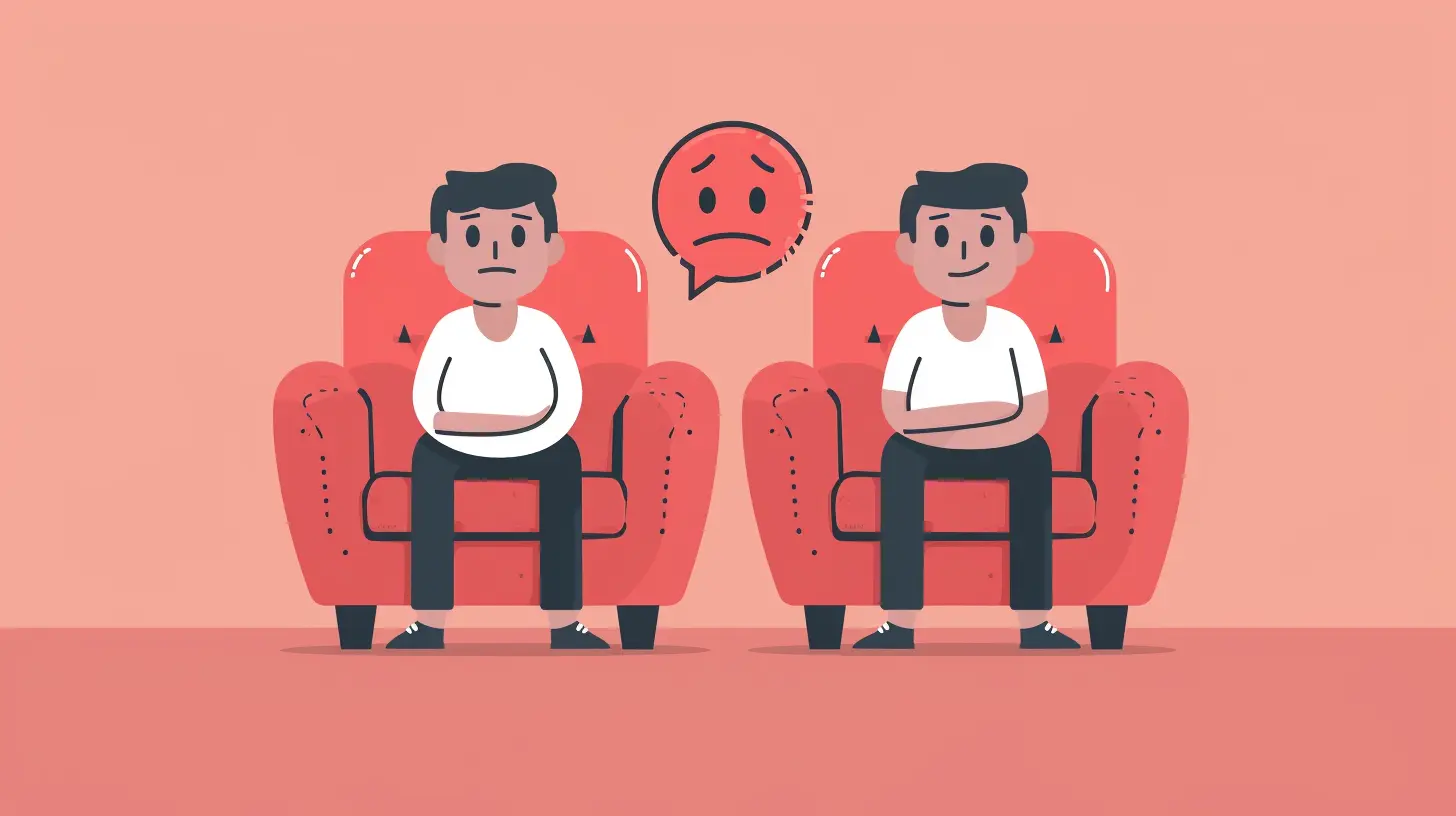
The Role of Empathy in CX
Here’s a truth bomb: If you're not practicing empathy in your customer experience, you're doing it wrong.Empathy means putting yourself in your customer’s shoes—understanding their pain points, dreams, and fears.
Let’s pretend your customer is trying to return an item. They’re frustrated. Maybe they’ve tried contacting support three times already. A cold, robotic response just won’t cut it. But a response like:
> “I’m so sorry you’ve had to go through this. Let’s fix it right now.”
That changes everything.
Empathy transforms cranky customers into lifelong fans.
Emotional CX = Customer Loyalty
Want to keep your customers coming back?Make them feel something.
Loyalty isn’t built on discounts. It’s built on moments. And those moments are emotional.
There’s even a term for this: “Emotional Loyalty.”
Let’s break it down:
Transactional loyalty is when people stick around because it’s convenient (free shipping, low prices, etc.). But emotional loyalty is rooted in how your brand makes them feel.
Apple users, for instance, don’t just buy Apple because it’s functional—they’ve formed an emotional connection. That’s gold.
Real-World Example: Zappos
Zappos is practically a legend when it comes to emotional CX.One customer called to return some shoes, and casually mentioned they were for a funeral. The rep sent flowers to express condolences. No script told them to do that. It was human, raw, and real.
The customer told five friends. Then those told ten more.
That one simple act became a story worth retelling. That’s emotional CX in action.
How to Tap Into Emotions in Your Business (Even If You're Small)
You don’t need a million-dollar budget to create emotional connections. You just need heart.Here’s how:
1. Listen Like You Mean It
Customer feedback isn't just data. It's a peek into their thoughts and feelings.Use reviews and surveys to tune into what they love, hate, and hope for. Then act on it.
2. Train Your Team in Emotional Intelligence
Emotional intelligence (EQ) isn’t just for therapists. Your customer support team needs it too.A rep with high EQ can pick up on tone, mood, and hidden frustrations—and respond with empathy. That can change the entire vibe of an interaction.
3. Personalize Everything
Forget one-size-fits-all. Personalization shows customers that you “see” them.- Use their names in emails
- Remember past purchases
- Recommend based on behavior
Small touches. Big emotions.
4. Tell Stories
Stories hit the heart faster than any sales pitch ever could.Share customer success stories. Talk about your brand’s journey. Let people meet the faces behind the business. When customers feel connected to your story, they become part of it.
5. Create Wow Moments
Surprise them. Delight them.Send a handwritten note. Offer a free upgrade. Add a personal touch in packaging.
These moments create emotional “wow” factors that people remember long after the transaction.
The Dark Side: Negative Emotions Are Powerful, Too
Let’s flip the coin for a sec.Negative emotions are just as powerful—sometimes even more so. A single bad experience can ruin years of trust. And in today’s world of online reviews and social media, bad vibes travel fast.
Think about it: When was the last time you told friends about THAT terrible customer service call?
Exactly.
Avoiding negative emotions isn’t about being perfect. It’s about:
- Apologizing when you mess up
- Responding quickly
- Making things right
Redemption can be just as emotional as the mistake—if handled with sincerity.
The Future of CX Is Human
In an age where AI, chatbots, and automation are taking over, you’d think we’d be all about speed and efficiency.But guess what?
People still crave human connection.
The emotional side of customer experience is what separates soulful brands from soulless ones. As tech evolves, the brands that will win long-term are the ones that blend innovation with heart.
Final Thoughts: Business Is an Emotional Game
At the end of the day, people won’t remember what they bought. But they’ll always remember how they felt.Did they feel seen?
Did they feel valued?
Did they feel connected?
If you can answer "yes" to those questions, you're not just delivering customer experience—you’re delivering a brand people can fall in love with.
So, don’t be a robot. Be real. Emotions matter more than you think.
all images in this post were generated using AI tools
Category:
Customer ExperienceAuthor:

Matthew Scott
Discussion
rate this article
2 comments
Zaid McGrath
Customer experience is like a first date—nail it, and they'll call back! Mess it up...awkward silence!
February 10, 2026 at 3:42 AM
Matthew Scott
Absolutely! A great customer experience leaves a lasting impression, just like a memorable first date. It's all about connection.
Ace Vasquez
Oh sure, because nothing says “I love your product” like a rollercoaster of emotions! Can’t wait to cry over my next purchase. What a thrill!
January 18, 2026 at 11:24 AM
Matthew Scott
I appreciate your humor! The emotional journey can indeed add depth to the customer experience, making it memorable—thrills and all!