The Future of Manufacturing: Predictions for 2026
19 April 2026
The manufacturing landscape is evolving at lightning speed, and it's hard not to get excited about what lies ahead. As we peer into the crystal ball, we see a world where technology, sustainability, and human ingenuity collide, creating a vibrant tapestry of innovation. Let’s take a deep dive into what we can expect for manufacturing in 2026. Buckle up—it’s going to be an interesting ride!

The Rise of Automation: More than Just Robots
When you think of manufacturing, what comes to mind? For many, it’s the image of robots whirring away on an assembly line. And while that's certainly part of it, the future is about much more than just machines taking over human jobs. By 2026, we can expect automation to take on a multifaceted role.Smart Factories: The New Industrial Revolution
Imagine walking into a factory where machines communicate with each other, adjusting their operations based on real-time data. That’s what smart factories are all about! These high-tech hubs will use the Internet of Things (IoT) to connect every piece of machinery, leading to faster, more efficient production processes.But here’s a thought: What happens when these smart systems encounter a problem? Instead of waiting for human intervention, they can self-diagnose and even suggest solutions. It’s like having a highly skilled technician working 24/7, ensuring everything runs smoothly.
Human-Machine Collaboration: The Best of Both Worlds
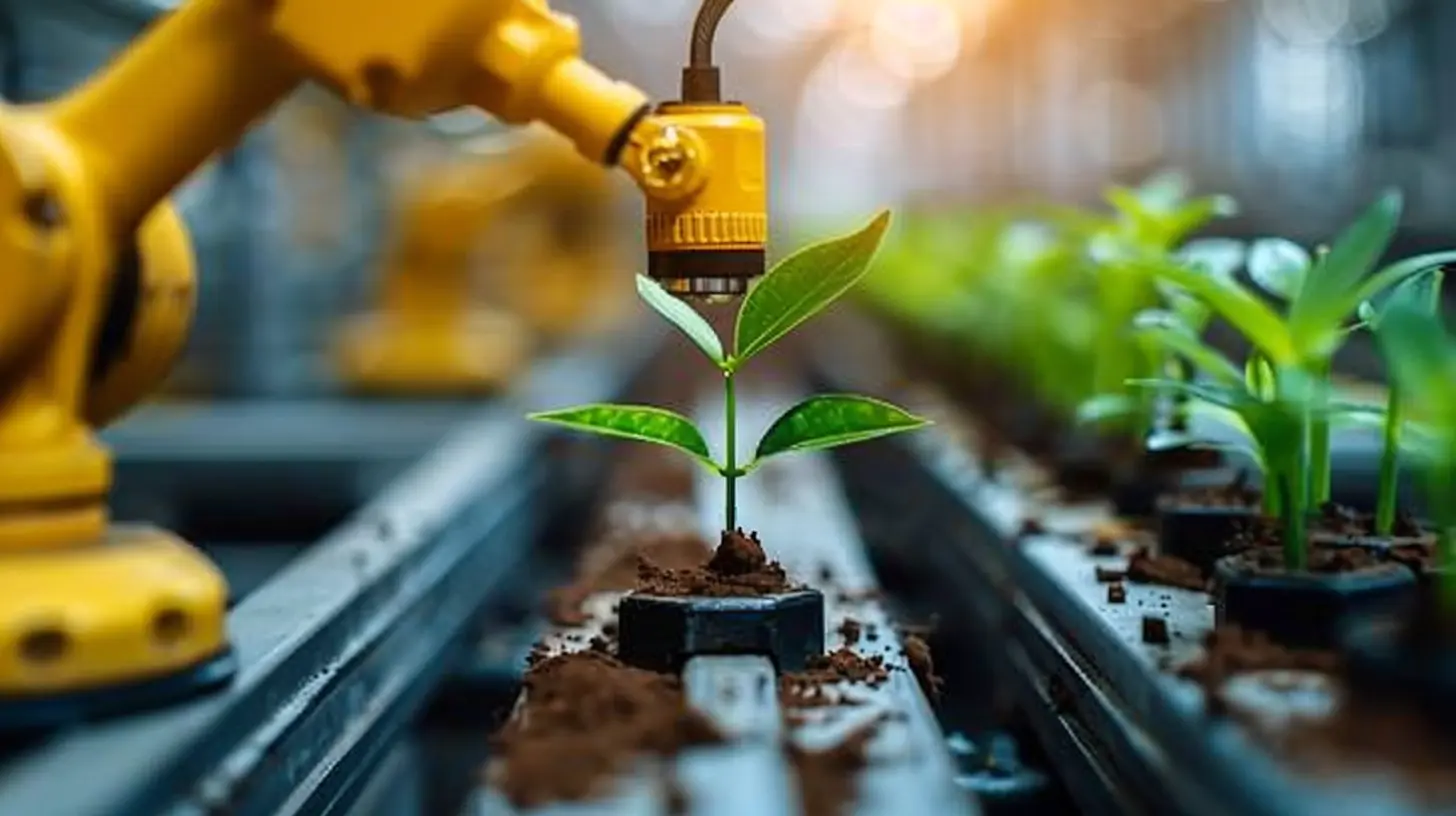
Don't worry; the robots aren't coming to take our jobs, at least not in the way you might think! In fact, the future of manufacturing will focus on collaboration between humans and machines. By 2026, expect to see more roles where people and robots work side-by-side, each complementing the other's strengths.Think about it this way: Humans excel at creativity and problem-solving, while machines shine in repetitive tasks. By blending these capabilities, we can create a more efficient, productive, and innovative workforce. It's like pairing a fine wine with gourmet food—each enhances the other!
Sustainability Takes Center Stage
As we hurtle into 2026, sustainability will no longer be an afterthought; it will be at the core of manufacturing practices. With climate change on everyone’s radar, manufacturers are shifting their priorities to focus on eco-friendly solutions.Circular Economy: Rethinking Waste
What if I told you that waste could be a thing of the past? Enter the circular economy. By 2026, we can anticipate a major shift towards designing products that minimize waste and maximize reuse. Instead of being discarded, products will be reimagined and refurbished, keeping materials in circulation for as long as possible.Picture this: a company collects old smartphones, breaks them down, and uses the materials to create new devices. It’s not just good for the planet; it also makes great business sense!
Renewable Energy Adoption
Manufacturers are turning to renewable energy sources to power their operations. Solar panels, wind turbines, and other sustainable energy solutions will be commonplace in factories by 2026. Imagine walking through a factory powered entirely by renewable energy—now that’s a sight worth seeing!But it’s not just about being green; it also cuts down on costs. With energy prices fluctuating, manufacturers who invest in renewable sources will have a competitive edge in the market.

Personalization Meets Mass Production
Gone are the days when customization was reserved for luxury products. By 2026, advancements in technology will enable manufacturers to offer personalized products at scale.3D Printing: The Game Changer
3D printing is set to revolutionize how we think about production. Imagine being able to print complex parts on-demand, reducing lead times and inventory costs. This is not just a pipe dream; it’s becoming a reality.Think about the implications: customers could design their own products and have them printed right at the factory. It’s like having a tailor for your shoes, but on a much larger scale!
Data-Driven Decision Making
Data is the new oil, and in manufacturing, it will be the lifeblood that fuels innovation. By 2026, manufacturers will harness big data and analytics to tailor products to consumer preferences and market trends.Imagine a scenario where a manufacturer analyzes customer feedback in real-time, adjusting production to meet demand. This agility allows for a level of personalization that was previously unimaginable. It’s like having your finger on the pulse of the market at all times!

The Workforce of the Future
As manufacturing evolves, so too will the workforce. The skills needed in 2026 will look vastly different from those in previous decades.Reskilling and Upskilling: Embracing Change
With automation and new technologies taking center stage, there will be a pressing need for workers to adapt. By 2026, companies will prioritize reskilling and upskilling their employees to ensure they can thrive in this new landscape.Think of it like a continuous education program—workers will have access to training and resources to keep their skills relevant. This investment in people is beneficial for both employees and employers, creating a more adaptable workforce.
Diversity and Inclusion
The future of manufacturing will also emphasize diversity and inclusion. Companies that embrace a diverse workforce will find themselves better equipped to innovate and solve complex problems.Imagine a team made up of individuals from different backgrounds, experiences, and perspectives. This diversity fosters creativity and leads to solutions that a homogenous group might overlook. By 2026, we can expect more companies to recognize the value of inclusivity in driving success.
The Role of Artificial Intelligence
Artificial Intelligence (AI) is no longer just a buzzword; it’s becoming an integral part of manufacturing processes. By 2026, AI will play a crucial role in various aspects of production.Predictive Maintenance: Minimize Downtime
One of the most exciting applications of AI in manufacturing is predictive maintenance. Instead of waiting for a machine to break down, AI can analyze data to predict when maintenance is needed. This proactive approach minimizes downtime and keeps production running smoothly.Imagine a factory where machines alert operators before an issue arises. It’s like having a crystal ball for equipment health!
Enhanced Quality Control
AI will also revolutionize quality control processes. By analyzing data from production lines, AI can identify defects or inconsistencies in real-time. This ensures that only top-quality products make it to market, enhancing brand reputation and customer satisfaction.Picture this: a factory where AI systems monitor quality, allowing human inspectors to focus on complex evaluations. It’s a win-win for efficiency and product excellence!
Supply Chain Resilience
The global pandemic highlighted many vulnerabilities in supply chains, and by 2026, manufacturers will have adapted to create more resilient systems.Localized Production
One trend we can expect is a shift towards localized production. As companies seek to minimize disruptions, they’ll invest in manufacturing closer to their markets. This reduces transportation costs and leads to faster delivery times.Imagine a world where the products you order online are made right in your community. It not only bolsters local economies but also reduces the carbon footprint associated with shipping goods long distances.
Transparency and Traceability
Consumers are becoming more conscious of where their products come from, and manufacturers will respond by enhancing transparency in their supply chains. By 2026, expect to see widespread use of blockchain technology to track materials from source to finished product.Think about it: with blockchain, you can trace the journey of a product, ensuring ethical sourcing and sustainability. This level of transparency builds trust with consumers and strengthens brand loyalty.
Conclusion: A Bright Future Awaits
As we look ahead to 2026, one thing is clear: the future of manufacturing is filled with promise and potential. Automation, sustainability, personalization, and technology will define the landscape, creating a world where innovation thrives.It’s easy to feel overwhelmed by the rapid changes, but embracing these shifts can unlock new opportunities for businesses and workers alike. So, let’s roll up our sleeves and get ready for an exciting journey ahead!
all images in this post were generated using AI tools
Category:
Industry AnalysisAuthor:

Matthew Scott
Discussion
rate this article
2 comments
Anastasia McCool
As we look toward 2026, the manufacturing landscape will be shaped by automation, sustainability, and digital integration. Companies must adapt to these changes to remain competitive, focusing on innovative technologies and efficient processes to meet evolving market demands.
July 3, 2026 at 12:41 PM
Renata McMahan
Exciting insights; manufacturing's future looks promising!
April 21, 2026 at 3:26 AM
Matthew Scott
Thank you! I'm glad you found the insights exciting. The future indeed holds great potential for manufacturing!