The Impact of Customer Journey Mapping on Product Success
1 June 2026
Introduction
Ever wondered why some products take off like a rocket while others crash and burn? It’s not always about having the best tech, the flashiest design, or even the biggest marketing budget. Often, the secret sauce is understanding your customers—what they need, how they think, and what drives them to make a purchase. That’s where customer journey mapping comes into play.
Customer journey mapping isn’t just a fancy buzzword; it's a powerful strategy that helps businesses see the world through their customers' eyes. It’s about knowing every touchpoint, emotion, and decision a customer goes through before (and after) they buy your product. And trust me, getting this right can be a game-changer for your product's success.
In this article, we’ll dive deep into the impact of customer journey mapping and why it's a must-have tool for creating products that truly resonate with users. 
What Is Customer Journey Mapping?
Let’s start with the basics. Customer journey mapping is the process of visualizing the path a customer takes from the moment they first interact with your brand to the point where they become a loyal customer.Think of it as a roadmap that outlines each step—whether it’s visiting your website, signing up for a trial, talking to customer support, or making a repeat purchase. Instead of guessing what customers want, journey mapping helps businesses see the actual interactions and emotions customers experience at each stage.
Key Components of a Customer Journey Map
Every good journey map has a few essential elements:- Personas – Who are your customers? Understanding their demographics, needs, and behaviors is the foundation.
- Touchpoints – Every point where the customer interacts with your brand, like ads, emails, social media, or product demos.
- Pain Points – What frustrates customers? Where do they get stuck?
- Moments of Delight – What experiences make them happy or encourage them to stick around?
- Actions & Emotions – How do customers feel at each stage? Are they excited, confused, or frustrated?
Understanding these elements gives businesses the insights needed to improve their product and overall customer experience. 
The Role of Customer Journey Mapping in Product Success
Now, let’s talk about why customer journey mapping can make or break your product.1. Aligning Product Development with Customer Needs
One of the biggest reasons products fail is because they don’t solve the right problems. Businesses often assume they know what customers want—but assumptions can be dangerous.By mapping the customer journey, you can identify gaps in your product. Maybe users struggle with onboarding, or perhaps they drop off before completing a purchase. These insights allow product teams to tweak features, remove unnecessary friction, and create a product that meets actual customer needs.
2. Enhancing User Experience (UX)
Let’s be real—if a product is hard to use, people will abandon it. A well-crafted customer journey map highlights frustrating experiences and areas where users struggle.Say, for instance, you offer a subscription-based software product. If customers frequently contact support because they can’t figure out how to use the core features, that’s a clear sign that something’s off. Journey mapping helps businesses optimize the UX, ensuring users have a seamless, frustration-free experience that keeps them coming back.
3. Improving Marketing Strategies
Ever feel like your marketing campaigns don’t hit the mark? That’s probably because they’re not aligned with the actual customer journey.When you understand how people discover, research, and decide to buy your product, you can craft more effective marketing messages. Are they influenced by online reviews? Do they rely on word-of-mouth recommendations? Do they need multiple touchpoints before making a decision?
With these answers in hand, you can fine-tune your marketing efforts—whether it’s adjusting your ad copy, creating better landing pages, or launching targeted email campaigns at the right time.
4. Boosting Customer Retention and Loyalty
Getting a new customer is great, but keeping them around is even better. A detailed customer journey map helps businesses understand what keeps users engaged after the purchase.For example, if customers stop using your app after a month, you can identify what’s going wrong. Maybe they’re not seeing enough value, or they’re struggling with certain features. By addressing these issues, you can improve retention rates and build long-term customer loyalty.
5. Strengthening Customer Support and Service
Customer support is often an afterthought, but it plays a massive role in product success. If customers find it difficult to get help when they need it, they’ll ditch your product for a competitor.A journey map sheds light on common pain points and where users typically reach out for support. Armed with this information, businesses can enhance their support system—whether it’s by adding better self-help resources, improving chatbot responses, or training customer service teams to handle issues more efficiently. 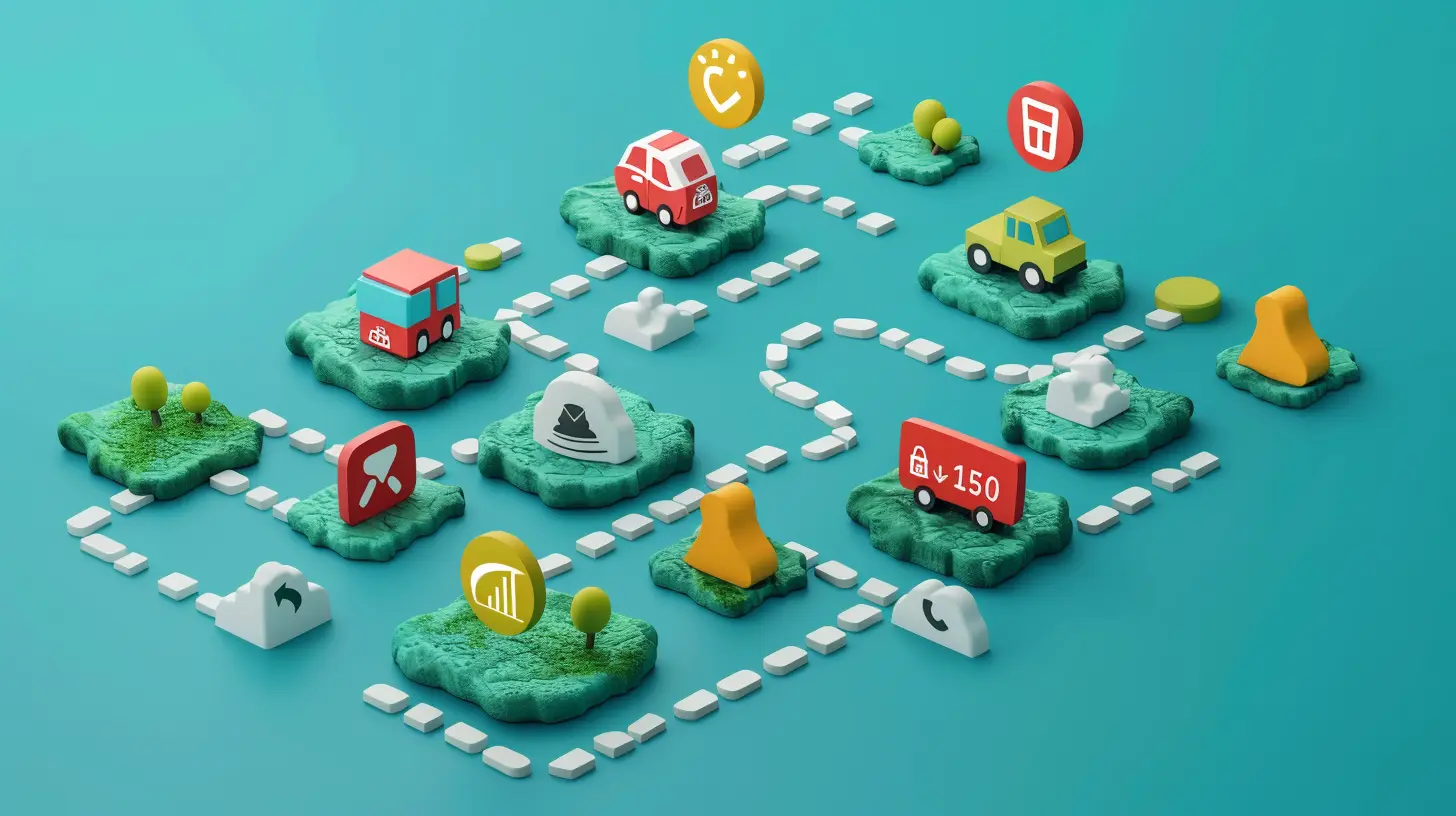
How to Create an Effective Customer Journey Map
Now that we’ve covered why journey mapping is crucial, let’s break down how to create one for your business.Step 1: Define Your Customer Personas
You can’t map a journey without knowing who’s taking it. Create detailed customer personas that represent your target audience. Include details like:- Age, gender, location
- Pain points and goals
- Buying behaviors and preferred communication channels
Step 2: Identify Key Stages in the Customer Journey
Every customer goes through different stages before making a purchase. A typical journey includes:1. Awareness – The customer realizes they have a problem and start looking for solutions.
2. Consideration – They compare different options and research your product.
3. Decision – They decide whether to buy your product.
4. Retention – They use your product and decide whether to stick with it.
5. Advocacy – If they love your product, they recommend it to others.
Step 3: List All Touchpoints
Touchpoints are everywhere—your website, social media ads, customer support, email campaigns, even word of mouth. Identify where customers interact with your brand at each stage of their journey.Step 4: Identify Pain Points and Opportunities
Where do customers face challenges? Are there any unnecessary roadblocks in their journey? Identify areas where you can improve the experience.For instance, if a lot of potential customers drop off before completing a purchase, your checkout process might be too complicated.
Step 5: Continuously Improve and Optimize
Customer behavior isn’t static—it evolves over time. Regularly update your journey map based on real customer feedback, analytics, and market trends.
Conclusion
Customer journey mapping isn’t just a tool—it’s a competitive advantage. Businesses that take the time to understand their customers’ thoughts, feelings, and behaviors will always have the upper hand.Think of it like a GPS for success—without it, you’re just guessing where to go. By mapping out the entire customer experience, you can fine-tune your product, optimize marketing strategies, improve customer retention, and ultimately drive long-term growth.
So, if you’re not leveraging customer journey mapping yet, now’s the time to start. Your customers—and your bottom line—will thank you.
all images in this post were generated using AI tools
Category:
Product DevelopmentAuthor:

Matthew Scott
Discussion
rate this article
1 comments
Mason McClain
Great insights! Customer journey mapping really is a game changer for understanding needs. It's exciting to see how this approach can lead to better products and happy customers!
June 4, 2026 at 12:13 PM
Matthew Scott
Thank you! I'm glad you found the insights valuable. Customer journey mapping truly transforms how we connect with our customers and shapes better products.