The Importance of Localization in Expanding Customer Reach
7 April 2026
Imagine trying to sell a summer coat in the middle of a tropical rainforest. Not exactly strategic, right? Now, imagine launching a marketing campaign in a foreign country using slang that no one understands. That’s what businesses risk when they overlook the power of localization.
In today’s ultra-connected world, reaching global audiences isn’t just a “nice-to-have” — it’s practically unavoidable. But going global doesn’t mean sending one message to the whole planet and hoping it translates. It means speaking your customers' language — literally and culturally. That’s where localization comes in.

What Is Localization, Really?
Let’s break it down — localization isn’t just about translating words into another language. It’s about adapting your entire message so it resonates with a specific group of people in a specific place. That includes your website, marketing, product info, customer support, even your social media jokes.Think of localization like tailoring a suit. If translation is cutting the fabric, localization is adjusting the seams, buttons, and fit so it hugs the customer's needs perfectly. It feels comfortable. Natural. Like it was made just for them.
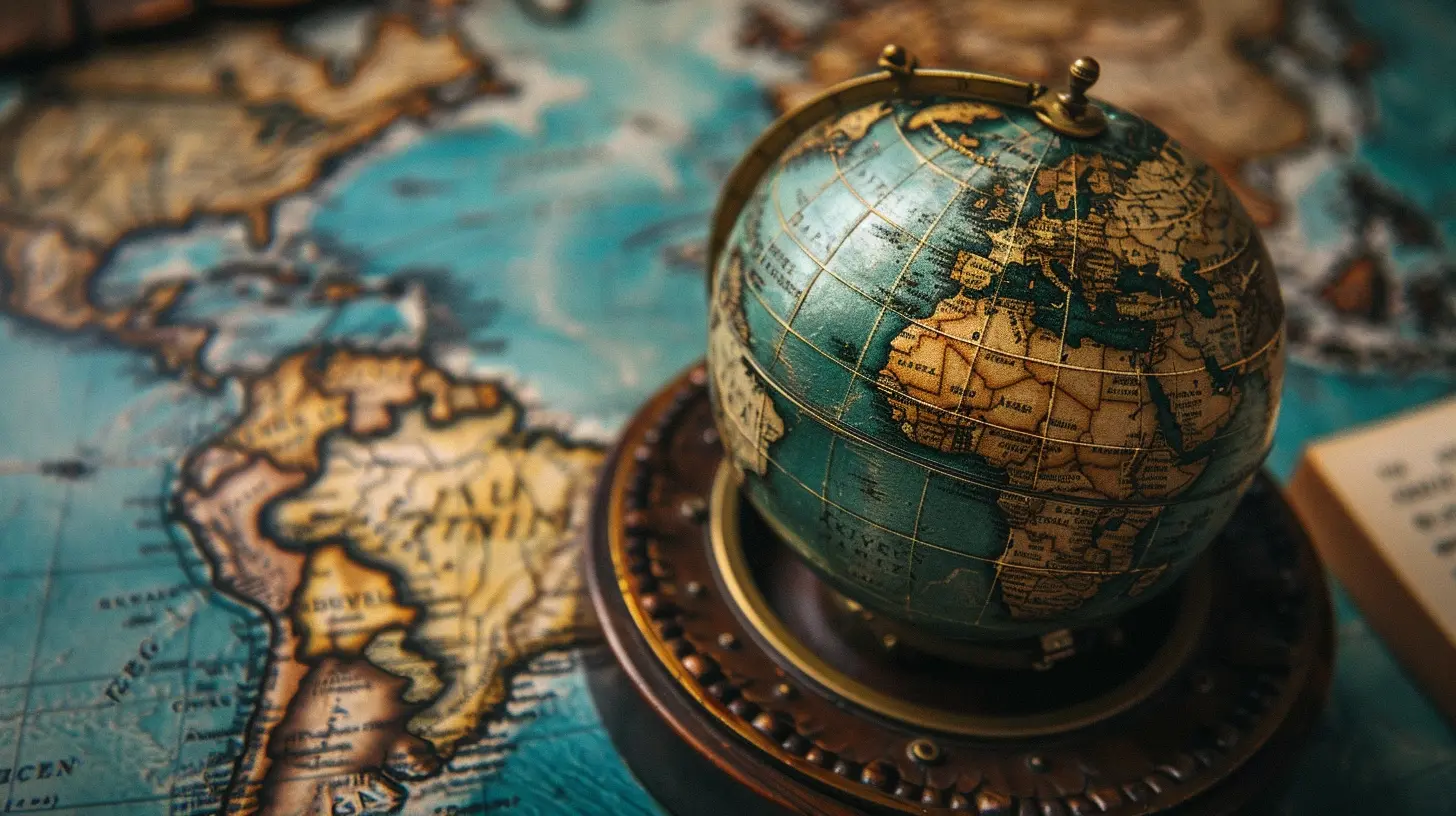
Global Reach, Local Touch
Here’s the kicker — people are more likely to buy from brands that “get” them. According to a study by Common Sense Advisory, over 70% of consumers are more likely to purchase a product with information in their native language. That’s a huge chunk of your potential market walking by your storefront if you haven’t taken the time to localize.So, if your brand wants to be global, you’ve gotta think local. Because reaching people isn’t just about being seen — it’s about being understood.

Why Localization Is a Game-Changer for Customer Reach
Alright, now let's dive into the nuts and bolts. Why is localization such a big deal when it comes to expanding your customer reach?1. Builds Trust Instantly
Would you trust a website that’s awkwardly translated, with prices in the wrong currency and customer support that expects you to speak a different language? Probably not.Localization makes your brand feel familiar. When content is personalized to reflect a customer’s language, culture, and preferences, it says, “Hey, we see you. We understand you.” That kind of connection builds trust — and trust builds loyalty.
2. Increases Engagement
Let’s be honest. Nobody likes feeling like an afterthought. If you're not speaking someone’s language or understanding their cultural references, you’re going to lose them. Fast.Engagement skyrockets when content feels personal. Localized apps get more downloads, localized websites get more visitors, localized products get more praise. Your customers won’t just take notice — they’ll take action.
3. Gives You a Competitive Edge
Guess what? Not every business is doing this. Some stick with the “one-size-fits-all” strategy and wonder why they aren’t seeing growth overseas.That’s your opportunity. Localization is your secret weapon. It positions you ahead of the curve, helping you beat the competition and win hearts in new markets.
4. Boosts SEO Nicely
Yep, localization isn’t just for people — it works wonders for search engines too.Think about it: if someone in Paris searches for a product in French, Google isn’t coughing up English-only results from American websites. It’s showing what’s relevant, local, and accessible. That’s where localized content comes in. It gives your business the chance to be found — and clicked on.
By using region-specific keywords, meta descriptions, and tags, you’re not just translating — you’re optimizing. And trust me, Google loves that.
5. Reduces Miscommunication and PR Nightmares
Ever heard of translation fails like Pepsi’s “Come alive with the Pepsi Generation” being interpreted in Chinese as “Pepsi brings your ancestors back from the grave”? 🤦♂️Those aren’t just funny — they’re costly. Poor localization can lead to misunderstandings, offense, and a serious dent in your brand’s reputation.
Avoiding these missteps isn’t just smart marketing. It’s respectful. And in today’s socially conscious climate, showing respect for different cultures is non-negotiable.

Real-World Wins: Brands That Nailed Localization
Want proof? Here are a few big names that turned localization into a growth strategy:- Netflix: They don’t just subtitle — they create original content in local languages (think "Money Heist" from Spain or "Sacred Games" from India). They've become a favorite in dozens of countries by giving people something that feels like home.
- Coca-Cola: Their "Share a Coke" campaign replaced labels with popular local names. Simple, yet genius. Suddenly, everyone wanted a bottle with their name on it — in their own language.
- Airbnb: Instead of a single global ad strategy, they’ve adapted their content to match local travel customs, languages, and even holiday seasons. That local-friendly approach made them a household name across continents.
So, What Should You Localize?
Good question. Start with the essentials, but don’t stop there. Here’s what you should consider:- Website and Landing Pages
Don’t just translate. Update currency, time zones, units of measurement, and cultural references.
- Product Descriptions and Packaging
Avoid technical jargon or humor that doesn’t translate well.
- Customer Support
Offer help in the customer's language. Chatbots, emails, FAQs — all of it matters.
- Marketing Campaigns
Tailor visuals, slogans, and promotional material so it feels native — not foreign.
- Apps and Software
Pay extra attention to UI/UX. Date formats, buttons, error messages — every pixel counts.
Common Localization Mistakes to Avoid
Alright, before you jump in, here are some pitfalls you’ll want to steer clear of:- Assuming Translation = Localization
Nope. Translation is a tool. Localization is the strategy.
- Using Machine Translation Without Review
Sure, AI tools are handy… but nothing beats a human touch.
- Ignoring Right-to-Left Languages
Design needs to flex for languages like Arabic and Hebrew.
- Forgetting Voice and Tone
What works in one culture might fall flat — or be offensive — in another.
- Underestimating the Cost
Quality localization can be an investment, but the return is worth it.
How to Get Started With Localization
Feeling inspired? Good. Here’s how to roll up your sleeves:1. Identify Key Markets
Look at your analytics. Where are people visiting from? Who’s already buying your stuff? These are your low-hanging fruit.2. Understand Local Culture
Before you build anything, listen. What’s important to your new audience? How do they speak? What do they care about?3. Hire Native Experts
If you’re serious, work with professionals who understand both the language and the culture. Freelance translators, localization agencies, and native marketers can all help.4. Use Robust Tools
Platforms like Lokalise, Smartling, or Transifex streamline the localization process. But remember, tools are only as good as the people using them.5. Test, Improve, Repeat
Localize. Measure. Ask for feedback. Then tweak until it’s just right.
Final Thoughts: Think Global, Act Local
Here’s the truth — localization isn’t just some checkbox for international expansion. It’s a mindset.When you respect your customers’ language and customs, they respect your brand. It’s that simple. And in a world flooded with digital noise, that connection — that human, heartfelt bond — makes all the difference.
So, if you’re ready to go global, do it with open eyes and open ears. Speak their language. Feel their rhythm. And watch your business grow — not just wide, but deep.
Your new customers are out there. They just want to feel seen. And now, you’ve got the tools to do exactly that.
all images in this post were generated using AI tools
Category:
Market PenetrationAuthor:

Matthew Scott
Discussion
rate this article
2 comments
Damian McDowell
Localization is key to connecting with diverse audiences.
May 2, 2026 at 1:06 PM
Matthew Scott
Absolutely, effective localization ensures that content resonates with different cultures, making it crucial for successful audience engagement.
Tessa McConnell
Great insights on localization! It's crucial for businesses to connect with diverse audiences and truly resonate in new markets. Well done!
April 10, 2026 at 12:54 PM
Matthew Scott
Thank you! I'm glad you found the insights valuable. Localization is indeed key to understanding and engaging with different audiences.