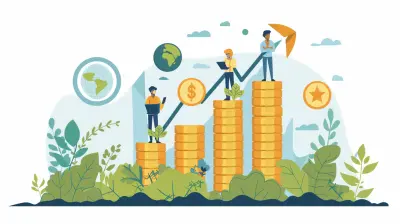
The Long-Term Vision: How to Keep Growing After Scaling
5 June 2026
So, you’ve scaled your business. Your team’s bigger, your revenue’s higher, and let’s be honest, you’re feeling pretty good about it (as you should!). But there’s something no one tells you at the top of that scaling mountain: once you get there, you’re not done. Far from it.
The tricky part isn’t just scaling—it’s keeping the momentum going once you’ve scaled. That’s where the long-term vision kicks in. Ready to dive into the secrets of sustainable growth after scaling? Grab your favorite drink, get comfy, and let’s chat.

What Does "After Scaling" Even Mean?
Alright, first things first. Scaling isn’t just about rapid growth—it’s about smart, repeatable, and systematic growth. If you’ve reached that point, congrats! You’ve grown your customer base, streamlined your processes, hired smart folks, and automated a bunch of tasks that once kept you awake at night.But now? You’re not the scrappy little startup anymore. You’re playing in the big leagues—where the name of the game is sustainability and innovation, not just survival.

Why You Can’t Just “Coast”
Let’s be real for a second. Coasting might work on a bicycle going downhill, but in business? It’s a recipe for stagnation.Markets evolve. Customers change. New players enter the field. Technologies disrupt industries overnight. If you stop growing, even just a little, you fall behind. Staying the same is basically moving backward in today’s fast-paced world.
Think of your business like a plant. You can’t just water it once and expect it to thrive forever. It needs consistent care, attention, and sometimes a little pruning to keep blooming.

The Growth Mindset: Don’t Let It Die After Scaling
Once businesses scale, it’s easy to slip into maintenance mode. You know—the mindset of, “Let’s protect what we’ve built,” rather than, “Let’s figure out what’s next.”But long-term growth doesn't happen with a conservative, play-it-safe attitude.
Here’s the truth: You need to keep that fire alive. Keep asking questions. Keep experimenting. Keep letting your curiosity lead the way.
Remember when you were a scrappy startup, throwing ideas at the wall to see what stuck? That mindset? Keep it. Just make it smarter and more strategic.

Reinvest in Innovation (No, It’s Not Just a Buzzword)
Innovation isn’t just about coming up with a genius new product every 6 months (though hey, if you can do that, go for it!). It’s about making small, continuous improvements that make your customers’ lives easier and your operations smoother.Here’s how to keep innovation alive:
- Encourage idea-sharing: Create a culture where everyone, from interns to execs, can suggest improvements.
- Allocate budget for R&D: Yes, even when things are tight.
- Stay curious about customer needs: Don’t assume you know—ask, test, repeat.
Remember Blockbuster? Yeah, that’s what happens when you stop innovating. Learn from their mistake.
Keep the Team Aligned with the Big Picture
When you’re small, alignment is easy. You're probably sitting next to your entire team every day. But post-scaling, things change. You’ve got departments, managers, and maybe even satellite offices.Communication becomes your superpower.
If you want to maintain momentum, your people need to know where you're headed—and why. A rock-solid long-term vision isn’t something you write and forget. It should be woven into your culture, strategy, and day-to-day operations.
Here’s how:
- Have regular, intentional team check-ins.
- Celebrate wins and progress toward long-term goals.
- Be transparent. Let employees see the map, not just their street.
When your team is rowing in the same direction, growth becomes a lot more natural.
Diversify Your Offerings (But Don’t Dilute Them)
Here’s a fun analogy: if your business was a burger joint, and everyone’s loving your signature burger, don’t suddenly start selling sushi.Scaling gives you the resources to try new things—but make sure those new things make sense. Diversifying your product or service line is a great way to unlock new markets and give your customers more to love.
That said, don’t lose focus. Every new offering should complement and enhance your core business, not confuse your audience.
Some things to ask before expanding:
- Does this solve a problem my customers already have?
- Can my current team handle this?
- Do I have the infrastructure to support it?
Build Strategic Partnerships That Actually Make Sense
Ever heard the saying, “If you want to go far, go together?” That’s not just great life advice—it’s perfect for post-scaling growth too.Strategic partnerships (done right) can help you tap into new markets, improve your service, or increase your brand authority without major overhead.
Here are some partnership ideas:
- Collaborate with complementary businesses
- Co-market with influencers in your industry
- Share resources with non-competitive peers
But don’t just shake hands with anyone. Vet your potential partners like you’d vet a co-founder: values, goals, audience—they all need to align.
Keep an Eye on the Data (But Don’t Get Lost in It)
Data is your best friend post-scaling. Not just sales numbers, but metrics that show what’s working, what’s not, and where the cracks are forming.But hey, don’t fall into the trap of analysis paralysis. Looking at spreadsheets all day won’t move the needle if you’re not acting on what you learn.
Here’s how to keep it simple:
- Identify your top 5 performance indicators (KPIs)
- Track them regularly (weekly, monthly, quarterly)
- Adjust strategies based on real-time feedback
Think of data like a GPS. It tells you where you are, warns you of traffic ahead, and helps you reroute when needed. Don’t ignore it.
Empower Middle Management (They’re the Bridge)
In the early days, you were probably involved in every decision. But as you grow, that just isn’t realistic. That’s where middle managers come in.They’re not just task coordinators—they’re your secret weapons for sustainable growth.
Invest in their training. Give them decision-making authority. Empower them to lead, not just follow.
Because honestly? If your management team isn’t growing, neither is your business.
Tap Into Global Markets (Yes, Even If You’re Small)
Scaling often means expanding your reach. And thanks to modern tech, global expansion is more doable than ever—even for small businesses.Not every company needs to go international, but if your product or service can serve different demographics or languages, why not?
Start simple:
- Localize your website
- Offer multi-currency pricing
- List on global marketplaces
If you’re worried about logistics—look into international dropshipping or remote teams. There are amazing tools out there to help you take that leap.
Stay Crazy About Your Customer
One thing that never changes, no matter how big you get? The importance of your customers.Seriously, don’t let scaling create distance between you and them. Keep listening. Keep improving. Keep caring.
Here’s how to stay connected:
- Actively gather customer feedback
- Build a loyalty program
- Respond to reviews (yes, even the bad ones)
- Host community events (virtual or live)
The brands that win in the long run are the ones that obsess over their customer experience. Be that brand.
Know When to Reevaluate Your Vision
Your long-term vision shouldn’t be set in stone. Shocking, right?Here’s the thing: what made sense when you had a team of 10 might not fit your 100-person crew. And that’s okay. In fact, it's necessary.
Every year—at least once—take a step back. Reevaluate your mission, your goals, your values. Do they still fit who you’ve become? Are they still ambitious enough to guide you forward?
Your vision should evolve just like your business.
Don’t Forget to Celebrate the Journey ?
Yes, growth is important. But so is taking a breath and enjoying the ride.You’ve made it past one of the hardest stages—scaling. That’s a huge deal. And now you’re working on the equally challenging process of lasting growth.
So while you’re planning the next big thing, pause once in a while. Celebrate milestones, big and small. Reflect on how far you’ve come. Thank your team. Appreciate your customers.
Because the secret to long-term success? Loving the process as much as the results.
Final Thoughts: Keep Growing, Keep Glowing
Scaling is the exciting part, sure. But growing after you scale? That’s where the real magic happens. That’s where businesses become legacy brands. Where startups become household names.It’s not about doing everything perfectly—it’s about staying curious, driven, and open to change. Stick to your long-term vision, empower your people, and keep your customers at the heart of what you do.
So whether you’re two months or two years post-scaling—trust yourself, trust your team, and keep going. The best part of your journey might just be ahead.
all images in this post were generated using AI tools
Category:
Scaling BusinessAuthor:

Matthew Scott
Discussion
rate this article
1 comments
Payton Potter
Sustaining growth after scaling requires a focus on innovation and adaptability. Embrace change, listen to your team, and prioritize long-term goals over short-term gains.
June 8, 2026 at 1:00 PM
Matthew Scott
Absolutely. Innovation and adaptability are key. Staying open to change and valuing team input can drive sustainable growth in the long run. It's all about the bigger picture.