The Role of Culture in Scaling Your Business
2 June 2026
Let’s get real for a moment: You can have the perfect business model, a killer product, and loads of investment backing... but if your company culture sucks, scaling your business will feel like pushing a boulder uphill — in a snowstorm — barefoot.
Culture isn’t just that “feel-good” HR buzzword that floats around in job interviews or Friday Slack channels. It’s the heartbeat of your business. And when you’re trying to grow — really grow — culture becomes your invisible superpower (or your silent assassin).
So, how does culture play into scaling a business, and why should you care? Let’s dive deep into this often-overlooked but absolutely mission-critical subject.
What Exactly Is Company Culture?
Before we jump into how it helps scale your business, it’s worth defining what culture actually is — and no, we’re not talking about ping pong tables, free coffee, or casual Fridays.Culture is how your team thinks, behaves, communicates, and makes decisions — especially when no one’s watching. It’s the values you live by, not just the ones you hang on the wall. It's the vibe, the energy, the rhythm that people feel when they walk into your office (or virtual team meeting).
Think of it like soil in a garden. If the soil is rich, the plants grow faster and stronger. If the soil is dry, toxic, or full of weeds... well, good luck trying to grow anything.
Why Culture Matters When You're Scaling
Scaling looks sexy on paper — new hires, bigger offices, international markets, cha-ching! But it’s also where companies often start to fall apart.Here’s the thing: scaling doesn’t fix cultural issues. It magnifies them.
It’s like putting your business under a microscope. Every crack, every tiny problem in communication, motivation, or trust? You’ll see it — and fast.
On the flip side, a strong, well-rooted culture acts like glue during growth. Even as your team expands and changes, culture keeps everything (and everyone) aligned.
Let’s break down why it matters.
1. Culture Creates Consistency Across Teams
When your business starts growing, things naturally get more chaotic. New departments, remote teams, different time zones — it’s a lot to manage.Culture steps in as the common thread.
- Shared values become decision-making shortcuts.
- Cultural norms make onboarding smoother.
- Behavioral expectations keep teams aligned even when leadership isn’t in the room.
It’s the difference between hiring a bunch of talented individuals who can’t work together... and building a high-performing team that clicks like a jazz band.
2. It Drives Employee Engagement — and Retention
Let’s get brutally honest here: you can’t scale a business on talent alone. You scale it with engaged talent.Engaged employees aren’t just clocking in and doing the bare minimum. They care. They innovate. They go that extra 10% that makes all the difference.
And guess what drives engagement more than paychecks or perks?
Yep — culture.
A culture where people feel valued, connected, and recognized will outperform a high-paying, high-stress environment every time. And when you’re scaling, retaining great people is just as important as hiring them.
3. It Attracts the Right People (And Repels the Wrong Ones)
Your culture acts like a magnet. The stronger it is, the more it draws in people who align with your mission — and filters out those who don’t.This is crucial when scaling.
Hiring fast doesn’t mean hiring sloppy. When your cultural identity is rock solid, it serves as a powerful recruitment tool. Candidates don’t just want a job; they want to be part of something. Your culture tells them — without even saying it — whether your business is the “something” they’re looking for.
4. Culture Encourages Innovation and Adaptability
Businesses that scale well don’t just grow — they evolve.That means trying new things, taking smart risks, and pivoting when needed. And here’s the kicker: people don’t do any of that unless the culture says it’s safe to try and fail.
Companies with a strong learning culture — where curiosity is rewarded and mistakes aren’t punished — naturally out-innovate their competitors.
And when you’re scaling in new markets, launching new products, or building new teams? Innovation is your lifeline.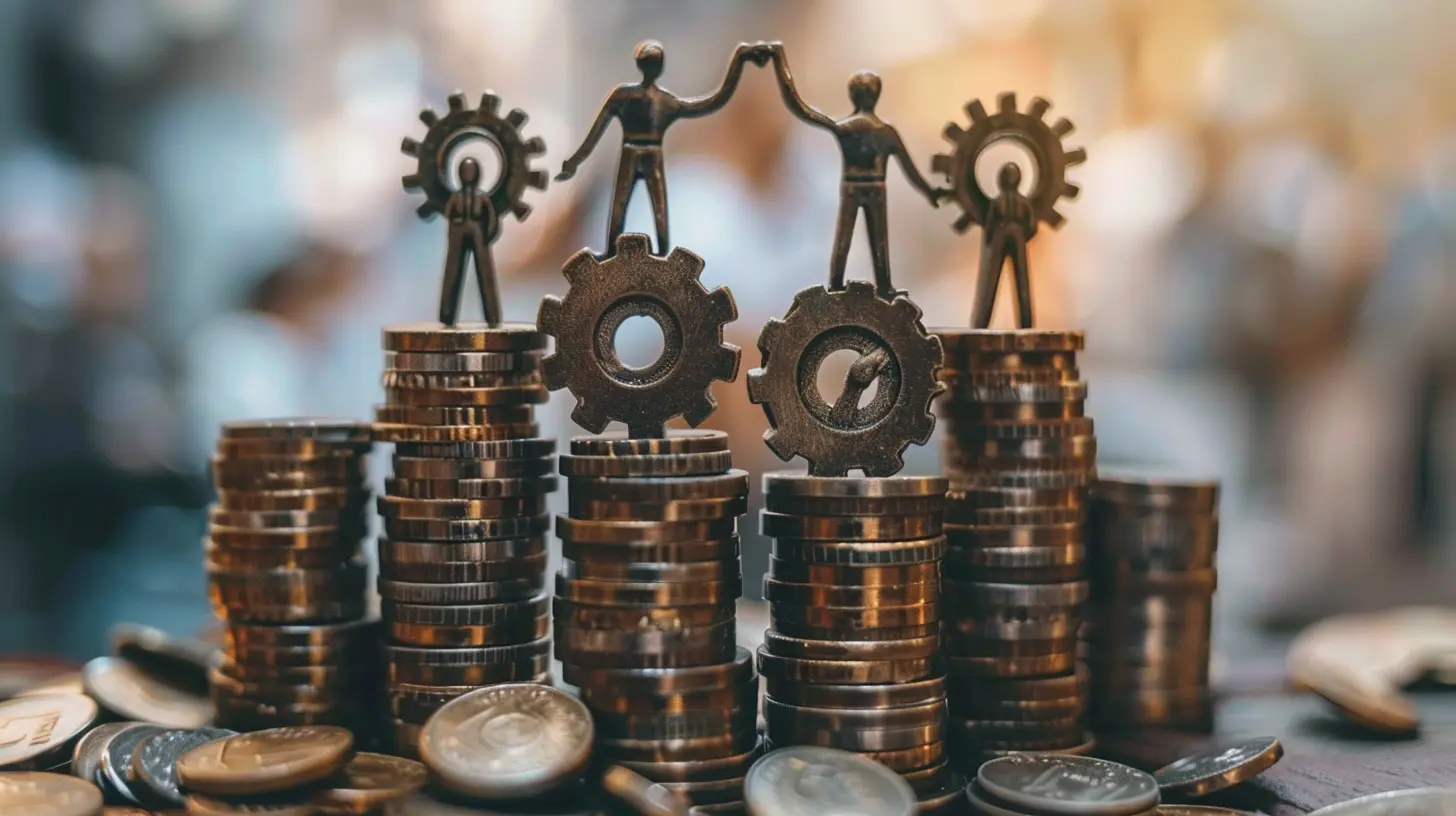
How to Build a Culture That Supports Scaling
Alright, you’re sold. Culture matters. But how do you build one that doesn’t just sound good on paper — but actually scales with your business?Let’s break it down into actionable steps.
1. Define Core Values That Actually Mean Something
“Integrity.” “Innovation.” “Excellence.”Cool. But what do those actually mean to your team?
Your core values shouldn’t be generic. They should be crystal-clear, actionable, and ideally — a bit edgy. They should reflect who you are at your best and guide behavior day to day.
Ask yourself:
- What behaviors do we reward?
- What’s non-negotiable?
- How do we make tough decisions?
Get specific. For example, instead of “Innovation,” try “Think big, test fast, fail proud.”
2. Hire (and Fire) Based on Culture Fit
Skills can be taught. Culture fit? Not so much.That’s why the best scaling companies prioritize attitude over aptitude — especially in the early days.
When hiring, ask culture-fit questions. Look for alignment in values. Give real-life scenarios. And if someone turns out to be a poor cultural fit? Let them go — fast.
Yes, even if they’re your top performer. Toxic culture kills momentum.
3. Bake Culture into Your Onboarding Process
Onboarding isn’t just about setting up laptops and showing people the org chart.It’s your first big opportunity to indoctrinate new hires into the culture. And no, that’s not a bad word. Think of it as lighting a match — the spark that sets the culture within each new team member.
Use your onboarding process to:
- Share company stories
- Explain the “why” behind your values
- Pair new hires with cultural mentors
The goal is to make people feel like they’re joining a movement, not just a company.
4. Create Rituals That Reinforce Culture
Rituals are powerful. They’re the small, repeatable acts that give culture its rhythm.It could be a weekly shoutout email, a monthly team celebration, a five-minute “gratitude check-in” before meetings — doesn’t matter. What matters is that it reinforces your values in real, human ways.
Scaling often removes the “personal touch.” Rituals bring it back.
5. Make Leadership the Culture Champions
Culture doesn’t scale top-down — it scales from inside-out. But leadership still sets the tone.If your leadership team isn’t living the culture loud and proud, it won’t stick.
Leaders need to:
- Model values consistently
- Call out cultural wins and violations
- Be open and vulnerable
- Listen, especially when it’s hard
The best leaders don’t just talk about culture; they are the culture.
Common Culture Pitfalls When Scaling
Alright, you’ve got the tools — but be wary of the traps. Here are some of the most common mistakes businesses make when scaling culture.1. Letting Culture Become Diluted
As new people join, and new layers of management develop, it’s easy for culture to get watered down. Stay vigilant. Keep reinforcing values and stories. Promote from within when possible — and make sure every “new branch of the tree” stays connected to the roots.2. Confusing Perks with Culture
Free snacks are nice. But if your team feels overworked and underappreciated, all the kombucha in the world won’t save you.Culture is about how people feel, not what they get for free.
3. Ignoring Remote Culture
Remote or hybrid teams are here to stay. But culture can’t just live inside the office walls.Be intentional about building culture in Slack channels, Zoom calls, and digital workflows. It’s a different muscle — but just as important.
Real-World Examples of Culture-Driven Growth
Let’s take it out of theory and into reality. Here are two companies that nailed culture during the scaling phase.1. Airbnb
When Airbnb was scaling fast, they hit a point where founders realized culture was slipping. So they hit pause. Literally. They delayed hiring to refocus on core values and ensure every new hire fit the culture.The result? A tightly guarded culture that allowed them to scale globally without losing their soul.
2. Shopify
Shopify embedded culture as a strategic advantage. They encouraged autonomy, learning, and bold thinking — and used values to guide who they hired, promoted, and even which features they shipped.That cultural backbone helped them grow from a small e-commerce tool to a global powerhouse.
Final Thoughts: Culture Isn't a "Nice to Have" — It's the Foundation
If you walk away with just one thing, let it be this:You don’t build culture after you scale. You build culture so you can scale.
It’s the DNA that your whole company replicates from, whether you’re 10 people or 10,000.
So take it seriously. Nurture it. Guard it. Make space for it in every strategy meeting, every hiring decision, and every milestone. Because when culture thrives, business growth follows — naturally, sustainably, and powerfully.
Ask yourself one last question: Is your current culture ready to grow with you?
If not, now’s the time to fix it.
all images in this post were generated using AI tools
Category:
Scaling BusinessAuthor:

Matthew Scott
Discussion
rate this article
1 comments
Natasha Elliott
This article offers valuable insights into how culture influences business growth. Understanding the dynamics of culture can truly help leaders align their teams and drive success. I appreciate the practical examples shared here, which highlight the importance of fostering a strong organizational culture in the scaling process.
June 13, 2026 at 4:13 AM
Matthew Scott
Thank you for your thoughtful comment. I'm glad you found the insights and examples useful. Culture really does play a crucial role in business growth.