Understanding the Data vs. Insights Debate in Market Research
14 February 2026
Let’s start with a fundamental truth: market research drives business decisions. But there’s an ongoing debate at the heart of it all — data vs. insights. These two might sound like they go hand in hand (and they usually do), but they’re not the same. And if you’ve ever had to sift through spreadsheets until your eyes glazed over, you know exactly what we mean.
In everyday marketing speak, people throw around the words "data" and "insights" like they’re interchangeable. Spoiler alert: they’re not. Understanding the difference — and why it matters — can be the game-changer between just having information and actually using it to fuel better decisions.
So, let’s unpack this. You in?
What is Data, Really?
Alright, think of data as the raw ingredients. It’s the numbers, charts, tables, and feedback you collect during market research. It’s the unprocessed stuff — the who, what, where, and when.For example:
- 60% of users clicked on Ad A instead of Ad B.
- 45% of survey respondents prefer vanilla over chocolate.
- Website traffic spiked by 30% last month.
Sounds useful, right? But here's the catch: on their own, these stats don’t tell you why something happened or what to do next. They're like puzzle pieces without the picture on the box. A pile of numbers isn’t a strategy — it’s just a pile.
So, What Are Insights Then?
Now, insights? That’s where the magic happens.Insights are the story behind the numbers. They give meaning, context, and direction. They’re the “aha!” moments that help you understand the why behind the what. In short, insights help you make smarter decisions.
Let’s go back to that earlier stat: 60% of users clicked on Ad A. An insight digs deeper: maybe Ad A used more emotional language, targeted a specific pain point, or aligned better with customer values.
An insight might sound like:
> "Users preferred Ad A because it used a more empathetic tone and addressed a common customer concern directly."
Boom — now you’ve got something to work with.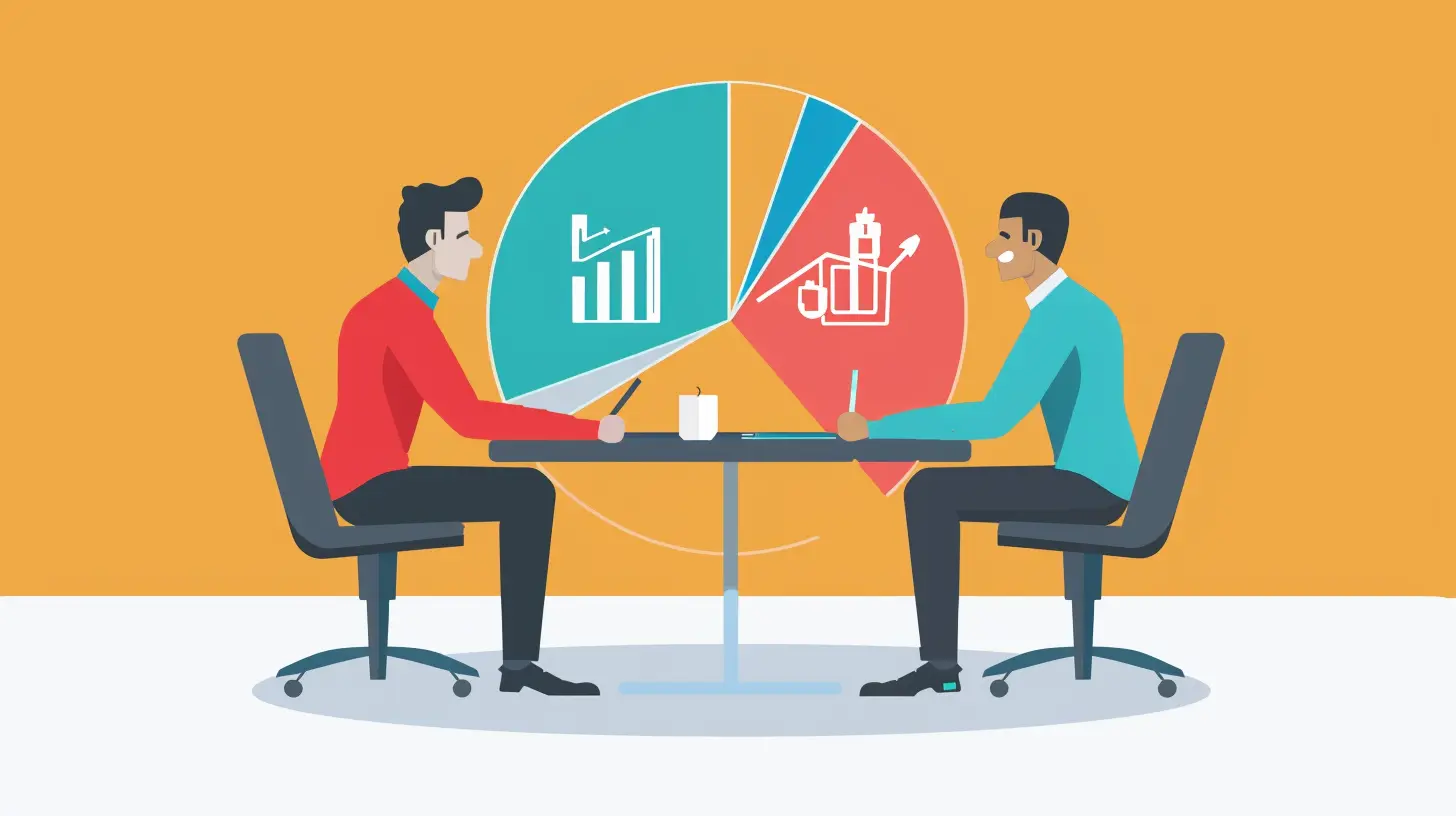
The Crux of the Debate: Information vs. Action
Now that we’ve got definitions down, let’s dive into the real issue behind the debate: what’s more useful — having all the data or understanding what to do with it?Spoiler: you need both. But let’s not get ahead of ourselves.
Data Without Insights = Noise
You’ve probably heard the saying, “drowning in data but starving for insight.” It hits hard because it’s true. Businesses collect tons of data — from customer demographics to click-through rates — but without interpretation, it’s about as useful as a compass in a maze. You know you’ve got direction, but you’re still lost.Insights Without Data = Guesswork
On the flip side, you can't just pull insights out of thin air. Without data, you're relying on intuition, assumptions, or vibes. And while gut feelings might be okay for choosing a restaurant, they’re not exactly strategic when it comes to business decisions.
Why the Confusion Between Data and Insights Exists
Good question.Simple answer? Because people often confuse reporting with analyzing.
Let’s break it down:
- Reporting tells you what’s happening. (That’s data.)
- Analyzing tells you why it’s happening. (That’s insight.)
Many dashboards spit out numbers and graphs, and people assume that’s the end of the job. But unless someone takes time to interpret those numbers and translate them into actionable takeaways, you're stuck with half the story.
Think of it like this: reading your GPS coordinates won’t help much unless you know whether you’re facing north or headed into traffic.
The Role of Technology in the Data-Insight Tug of War
Thanks to AI, machine learning, and big data tools, we now have more access to data than ever before. But here’s the kicker — machines are great at collecting data, but not always awesome at understanding human behavior.Sure, AI can tell you that users linger on your home page for 90 seconds. But it takes a human touch to interpret that — are they interested or confused? Enthralled or overwhelmed?
That’s where the human element comes in — marketers, analysts, strategists — to dig for the “why” and shape strategies that resonate.
Real-World Example: Data vs. Insights in Action
Let’s say you’re running an online store that sells eco-friendly shoes.The Data:
- 80% of your site visitors exit after viewing a product page.- Your average cart abandonment rate is 65%.
- Your best-selling item is a bamboo sneaker.
Interesting, right?
The Insight:
- Website heatmaps reveal users spend more time reading product sustainability claims than price.- Customer feedback shows confusion about sizing.
So here's the insight:
> "Customers care more about sustainability but are hesitant due to sizing uncertainty."
Armed with that, you roll out a size guide, update your product descriptions, and test more prominent messaging about eco-impact. A month later, conversions go up by 20%.
That’s the power of converting raw data into meaningful insights.
Turning Data into Insights: A Simple Framework
So how do we bridge the gap from data to insights? Here's a little framework:1. Collect the Right Data
Focus on the data that aligns with your business goals. Too much irrelevant data can lead to analysis paralysis. Less is more when the data is precise.2. Ask the Right Questions
Data without context is pointless. What are you trying to find out? Frame questions like:- Why did sales drop in March?
- What are common objections in customer reviews?
- Which part of the marketing funnel has the highest drop-off?
3. Analyze Patterns, Not Just Points
Look for trends, not just individual data spikes. Think of it as connecting the dots to reveal the picture.4. Validate With Cross-Sources
Check your insight against another data set. For example, pair survey feedback with website analytics or social listening stats.5. Translate Into Action
Insights are only useful if they lead to a next step. So every insight should answer: “What should we do differently?”Skills Needed to Extract Insights
To interpret data meaningfully, you need a mix of creativity and analytical thinking. Here are some critical skills that turn researchers into insight-makers:- Empathy: Understanding customer pain points
- Pattern recognition: Spotting trends across different data types
- Critical thinking: Challenging assumptions and biases
- Storytelling: Turning numbers into narratives that drive decision-making
- Strategic thinking: Connecting insights to business outcomes
It’s not about being a data geek or a creative genius — it’s about balancing both.
Why This Debate Matters for Your Business
Whether you’re a startup founder, a seasoned marketer, or anyone making decisions based on research — the data vs. insights debate isn’t just academic. It’s practical.Relying solely on data can stall your decision-making. Assuming you’ve got enough insight without fresh data can lead you off course. The true power lies in marrying both.
Data gives you the map. Insight gives you the directions.
And here’s the kicker: When they're aligned, you don’t just reach your destination — you get there faster, smarter, and with fewer wrong turns.
Final Thoughts: Don’t Pick Sides — Balance Them
So here’s the bottom line. Don’t get caught in the debate by treating data and insights like rivals. They’re teammates. Yin and yang. Peanut butter and jelly. (You get the idea.)The key is knowing when you’re dealing with raw facts and when you’re uncovering meaning. Use both strategically. Collect your data wisely, but always, always dig deeper for the insights that will turn that data into dollars, direction, and decisions.
Now, next time someone asks you about data vs. insights, you won’t just know the difference — you’ll know how to use both like a pro.
all images in this post were generated using AI tools
Category:
Market ResearchAuthor:

Matthew Scott
Discussion
rate this article
2 comments
Kael McMichael
Data alone isn’t enough; transforming it into actionable insights is crucial for driving effective market strategies and making informed decisions.
February 28, 2026 at 5:51 AM
Matthew Scott
Absolutely! Data must be analyzed and translated into actionable insights to drive effective strategies and informed decision-making in market research.
Daniel Valentine
Data dances, insights groove!
February 14, 2026 at 3:40 AM
Matthew Scott
Absolutely! It's all about turning raw data into meaningful insights that truly resonate. Thanks for your comment!