Why Customer Personas Should Be Central to Product Development
19 June 2026
Let’s be honest for a moment. Developing a product without considering who it’s for is like throwing a birthday party without knowing whose birthday it is. You can have cake, balloons, and even a magician—but if the birthday kid hates clowns and you hired one? Yikes.
In the world of product development, customer personas are your guest of honor. Skipping them? That’s the equivalent of bringing potato salad to a potluck full of carb-haters. Painful. Let’s dive into the not-so-secret sauce that makes customer personas the unsung heroes of successful product development—and why your business needs to put them front and center.
What Exactly Is a Customer Persona? (And No, It’s Not Just a Fancy Term)
Before we head too deep into the rabbit hole, let’s clear the air: A customer persona isn’t a real person. It’s a fictional, yet data-informed, representation of your ideal customer. Think of it like your product’s BFF—someone who perfectly understands it, needs it, uses it, and (hopefully) raves about it to everyone they meet.These personas include juicy details like:
- Age, gender, income level
- Job title (because “CEO of the living room” and “Professional Snack Tester” count too)
- Goals, frustrations, and buying behavior
- And yes... even what kind of memes they share
Bottom line? It’s like creating a dating profile for your product’s soulmate.
Why Customer Personas Are Product Gold (No, Seriously)
So why should customer personas hog the spotlight during product development?Because without them, you’re flying blind. Like trying to assemble IKEA furniture using a fortune cookie as instructions. Here’s why they deserve VIP treatment:
1. They Help You Build Something People Actually Want
Imagine designing a sleek app for tracking daily kale intake—only to find out your audience thinks kale is a cruel punishment. Oof.When you have solid customer personas, you don’t guess what people want—you know. You’re no longer shooting arrows in a foggy forest. You’re using a laser-guided system aimed directly at your target customer’s needs, wants, and pain points (and maybe their obsession with avocado toast).
2. They Keep Development on Track (And Off the Crazy Train)
Got developers? Designers? Product managers? Great.Now imagine all of them working in different directions without a clear user in mind. It's mayhem. It’s like a tug of war where everyone’s pulling in opposite directions.
Customer personas act like a guiding compass. They help your team stay aligned, focused, and less prone to spiraling into feature creep chaos.
You know the phrase “Wouldn’t it be cool if…”? That’s how you end up building a flying blender nobody asked for.
3. They Save Money (And Headaches)
Here’s a spicy truth: it’s expensive to fix a bad product after launch. Like, “should’ve-just-set-that-cash-on-fire” expensive.By identifying what your users actually need early on, you dramatically reduce the risk of flopping harder than a fish out of water. Your developers won’t waste time building features no one uses, and your marketing team won’t have to perform witchcraft trying to sell it.
Building a Customer Persona Without Losing Your Mind
Creating customer personas doesn’t mean locking yourself in a room with mood boards and scented candles (although if that’s your process, we support you). There’s actual science behind it—mixed with a dash of empathy and a sprinkle of creativity.Step 1: Dig Into the Data
Start with what you’ve got—website analytics, social media insights, customer surveys, reviews, support tickets. Heck, even the questions people ask your chatbot at 2 a.m. are gold.Look for patterns. Do your customers constantly curse at your login process? Are most of them college students surviving on ramen? That’s key info.
Step 2: Talk to Real Humans
Yep. You’re gonna have to talk to people. Crazy, right?Interview actual customers or prospects. Ask them questions like:
- What does your day look like?
- What frustrates you most about [insert the problem your product solves]?
- What products do you currently use, and why do you love/hate them?
These conversations will give you insights that Google Analytics simply can’t.
Step 3: Get Specific (Yes, Specific Is Terrific)
Now, take all that rich, tasty data and mold it into a character. Give them a name, a job, a backstory. Don’t stop at “Millennial marketer with a coffee addiction.” Dig deeper.Meet “Savvy Sam”: a 32-year-old digital marketer at a startup, juggling multiple SaaS tools while working on a laptop covered in stickers. Sam’s biggest frustration? Managing campaigns across platforms. His goal? Streamline his tools to reclaim some weekend peace.
Boom. Now, every product decision can be made with Sam in mind.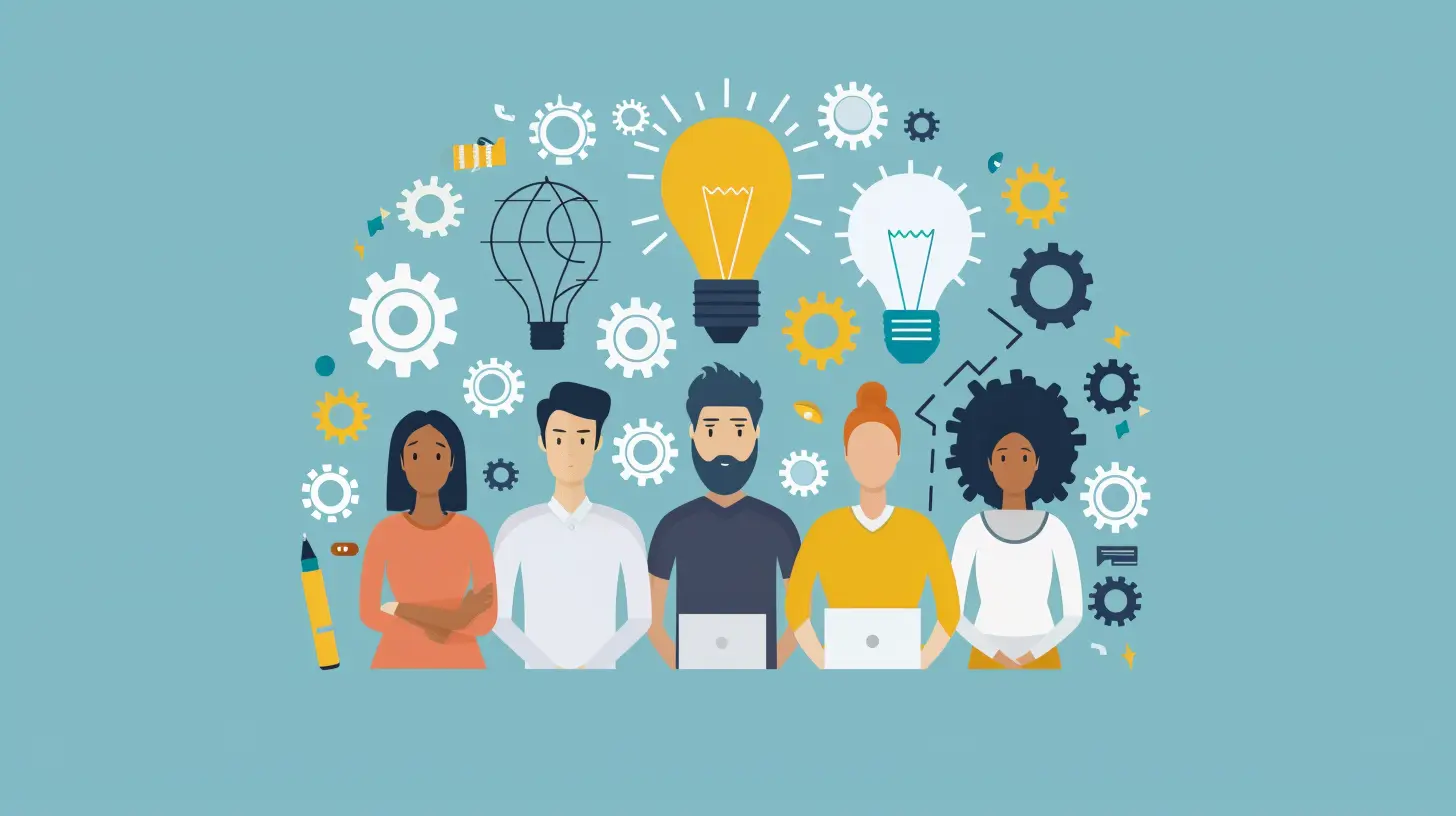
How Customer Personas Influence Product Development (a.k.a. The Domino Effect)
Think of customer personas as the first domino in a long line. Tip them over, and suddenly everything falls into place—from UX design to feature prioritization to marketing language.1. Product Features That Make Sense
When you know what problem you're solving for whom, you can stop cramming in “cool” features and focus on meaningful ones. Like making the “forgot password” process less traumatic. (Seriously, can we normalize not making us answer our 3rd grade teacher's name?)2. Better UI/UX Design
Customer personas help designers get inside the user’s headspace. If your persona is “Busy Brenda” who checks her phone during toddler naps, your app’s interface better be snappy, intuitive, and one-handed-friendly.3. Clearer Product Messaging
You can’t communicate effectively if you're talking to everyone. With personas, your product messaging becomes laser-targeted. You're not just solving a problem—you’re solving their problem.It’s the difference between shouting into the void and whispering sweet solutions into your customer’s ear.
4. Smarter Roadmap Planning
Product teams constantly juggle which features to prioritize. Personas help cut through the noise. If a feature doesn’t serve the core persona? It gets the boot. Sorry, glitter mode.The Persona Pitfalls (Because Nothing’s Perfect)
Alright, before you run off to start carving out customer personas like a sculptor in a Monty Python sketch, there are a few potholes to avoid.1. Don’t Treat Personas Like Static Artifacts
Your customers evolve. And if you keep using a persona from 2018, they’ll be as outdated as TikTok dance challenges from five years ago.Update them regularly and keep tabs on shifting behaviors. The world changes—remember when QR codes made a comeback? Wild.
2. Don’t Base Them on Fluff
Gut feelings are great… for deciding what to eat. Not so much for strategic product choices. Make sure your personas are rooted in data and real customer input—not just marketing team brainstorms over matcha lattes.3. Don’t Make Too Many
Unless you enjoy herding cats, limit your personas to a handful of core types. Too many, and you’ll dilute your focus. Remember, the goal is clarity, not chaos.A Real-Life Example: Personas in Action
Let’s say you’re building a fitness app. Without personas, you might throw in every trendy feature under the sun—HIIT workouts, meditation, calorie tracking, competitive leaderboards, dog yoga… you get the idea.Now enter "Anxious Andy", a 45-year-old office worker who’s intimidated by gyms and just wants to move more without feeling judged.
Instead of throwing 50 options at Andy, you design calming routines, a judgment-free interface, and gentle reminders that celebrate small wins.
See? You’ve made a product that gets Andy—and Andy rewards you with loyalty, reviews, and probably a sweaty selfie hashtagged with love.
Conclusion: Personas Aren’t Just a “Nice to Have”—They’re Your Secret Weapon
In the chaotic, fast-paced, unicorn-chasing world of product development, customer personas are your anchor to reality. They remind you who you’re building for. They add heart, soul, and sanity to the process.So don’t treat them like homework or a checkbox to tick off. Embrace them. Talk about them in meetings like they're part of the team. Tape them to your whiteboard if you must.
Because the better you know your customers, the better you build for them.
Now go forth, persona warrior, and craft products people actually want to use (and post enthusiastic five-star reviews about while sipping cold brew).
all images in this post were generated using AI tools
Category:
Product DevelopmentAuthor:

Matthew Scott
Discussion
rate this article
1 comments
Gunnar McGarvey
Great insights! Understanding customer personas really can transform product development. It's amazing how tailoring products to real needs leads to success and satisfaction.
June 19, 2026 at 11:23 AM
Matthew Scott
Thanks for your comment! I'm glad you found the insights valuable. Tailoring products to customer needs is indeed key to success.