Why Inclusivity Matters in Product Design and Development
9 July 2026
Product design and development are often viewed through the lens of innovation, aesthetics, and usability. But do you know what truly separates a good product from a great one? Inclusivity.
Imagine designing a smartphone that only works for people with perfect eyesight. Or an app that assumes everyone has two hands. Sound ridiculous, right? Yet, countless products still fail to consider the diverse range of people who might use them.
In this article, we'll dive into why inclusivity in product design and development isn't just a nice-to-have—it’s a necessity. 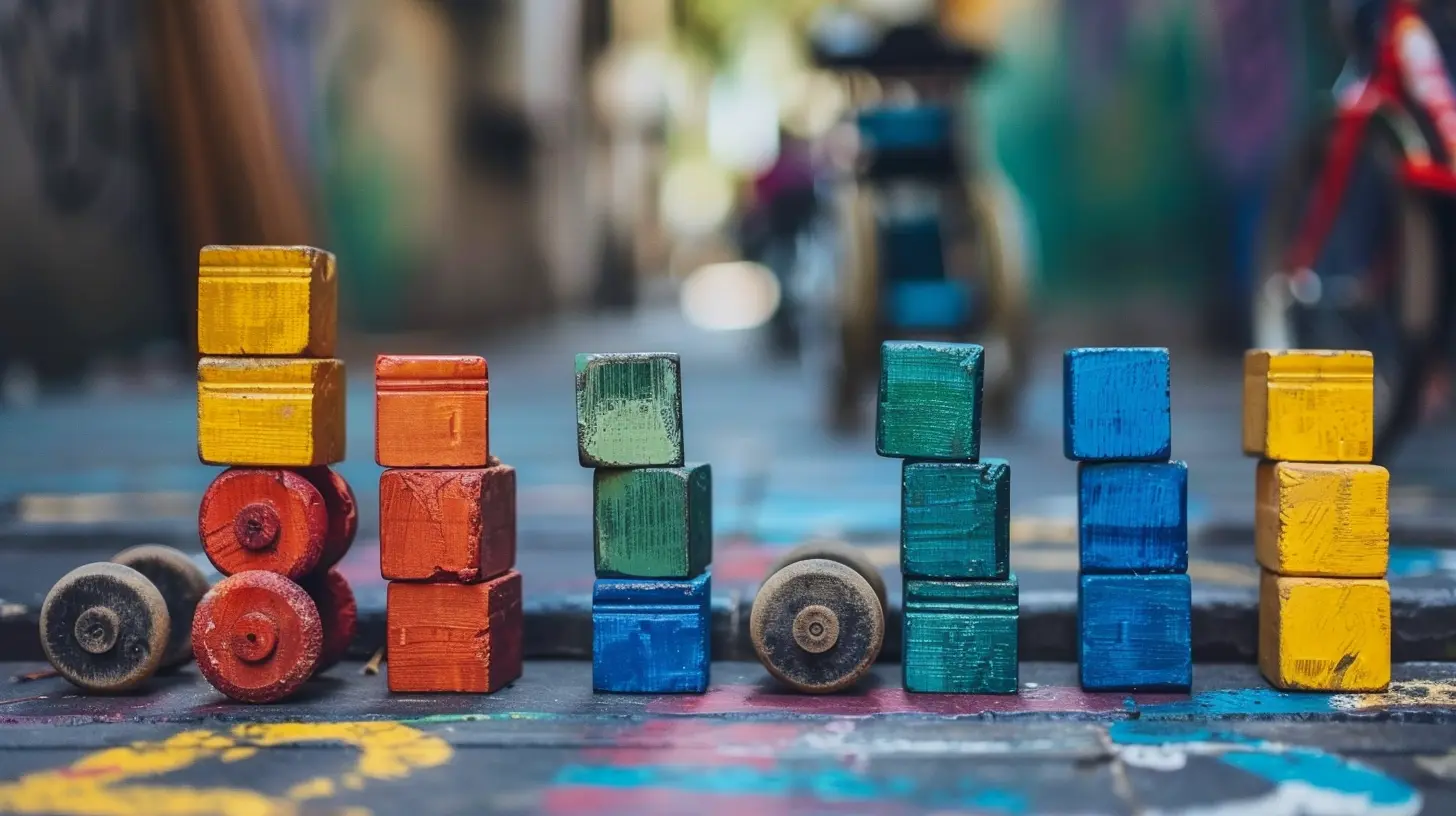
What Is Inclusive Design?
Before we get too deep, let’s break it down.Inclusive design is about creating products that work for as many people as possible—regardless of their abilities, gender, age, race, location, or socioeconomic background.
It's not just about accessibility (though that’s part of it). It’s about designing with diversity in mind from the very start, rather than treating it as an afterthought. 
Why Inclusivity in Design Matters
Now that we know what inclusive design is, let’s talk about why it’s so important.1. Because Humans Are Wildly Different
No two people are exactly alike. Some are tall, some are short. Some are left-handed, some are right-handed. Some people have disabilities, and some don’t. If we only design for an "average" user, we're excluding millions of people right off the bat.Would you design a car that only fits people of one height? No. So why do the same with apps, websites, and gadgets?
2. More Users = More Customers = More Business
Let’s be real—businesses want more customers. The more people who can use your product, the more potential revenue you can generate.For example, when Microsoft introduced inclusive features in its products (like text-to-speech and eye-tracking tools), it didn’t just help people with disabilities—it created a better experience for all users. And guess what? That expanded their customer base.
3. Legal Trouble Is No Fun
Ignoring inclusivity can land businesses in hot water. Many countries have laws requiring products to be accessible (like the Americans with Disabilities Act in the U.S.).Companies that ignore this risk lawsuits, bad press, and—drumroll please—financial losses. And let’s be honest, no one wants that.
4. It Fuels Innovation
Some of the coolest innovations in tech started as inclusive designs.- The curb cut (the little dips at sidewalk intersections) was made for wheelchair users. Now? Everyone benefits—parents with strollers, cyclists, travelers with luggage.
- Voice assistants like Siri and Alexa were initially developed for people with disabilities. Now? Most of us can’t imagine life without them!
Inclusive design doesn’t stifle creativity—it drives it.
5. It’s the Right Thing to Do
At the end of the day, inclusivity in design isn't just about business—it’s about people.Wouldn’t it be awesome if everyone, regardless of their background or ability, could use and enjoy the same products seamlessly? A world where no one is left out simply because of poor design choices?
That’s the future we should all aim for. 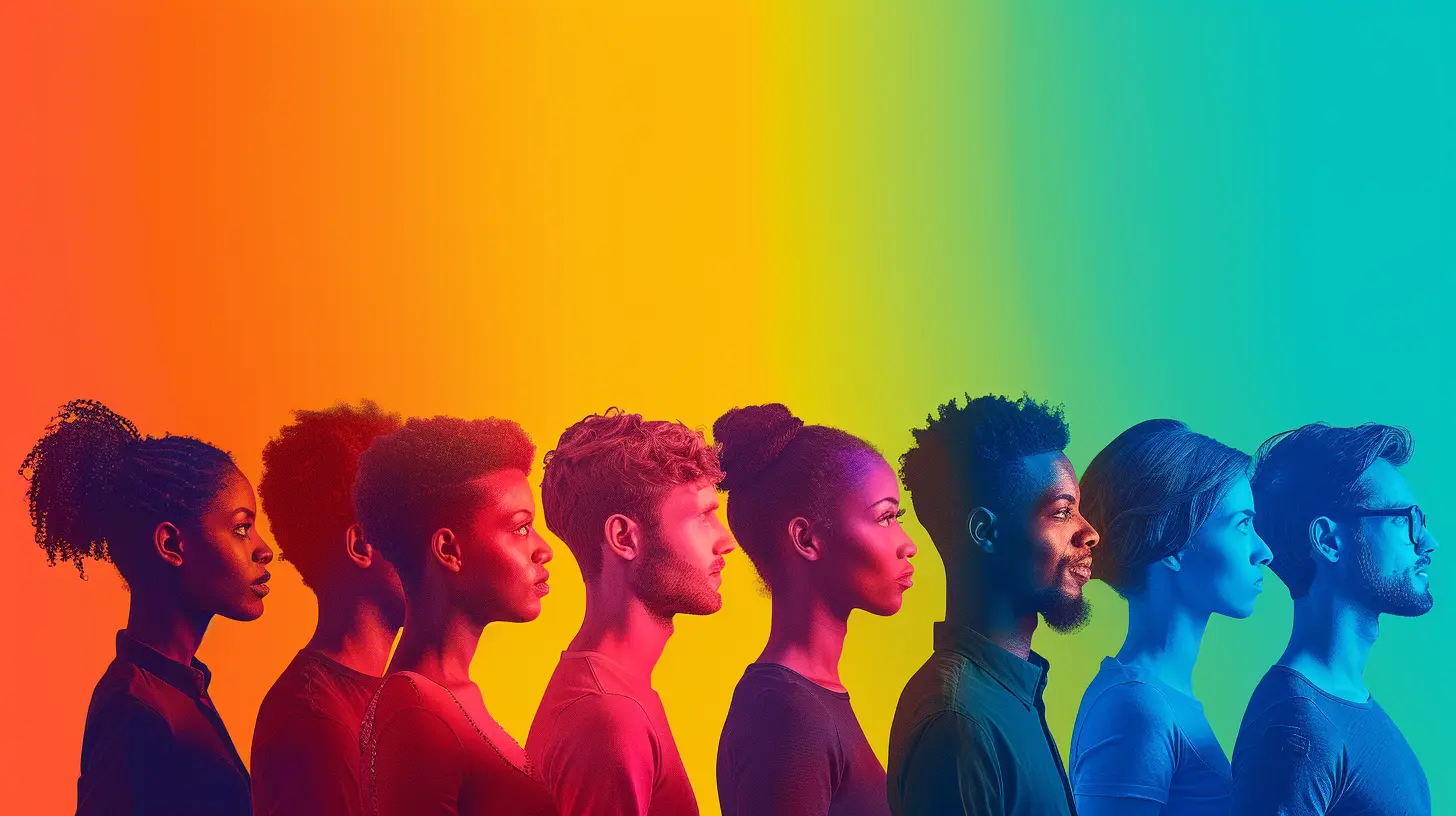
How to Make Product Design More Inclusive
So, we’ve established that inclusivity is a big deal. But how do we actually put it into practice? Here are some actionable steps:1. Diversify Your Team
If your design and development team consists of people who all come from similar backgrounds, chances are, your products will only reflect their experiences. Diversity in your team = diversity in your perspective.Having people from different genders, ethnicities, abilities, and age groups in your team can highlight blind spots in your product’s design.
2. Gather Inclusive User Feedback
Building a product in isolation? Big mistake.Get real feedback from diverse users early and often. Conduct usability tests with people of different physical abilities, cultural perspectives, and demographics.
Remember: The best way to design for diverse users is to actually listen to them.
3. Follow Accessibility Guidelines
Don’t reinvent the wheel—there are already great accessibility guidelines available, like:- Web Content Accessibility Guidelines (WCAG)
- Americans with Disabilities Act (ADA) Standards
- ISO Standards for Accessible Design
These provide a solid starting point to make your product more inclusive.
4. Design for Edge Cases, Not Just the "Average" User
A common mistake in design is focusing on the "average" user—who, frankly, doesn't even exist. Instead, consider edge cases.For example, think about:
- Someone using voice commands because they have limited mobility.
- A person in a noisy environment who relies on captions instead of audio.
- A left-handed user struggling with a right-hand-dominant UI.
By designing for extremes, you actually make products better for everyone.
5. Keep It Flexible
Good design is adaptable. Give users options to customize their experience.Think:
- Adjustable font sizes
- Dark mode for visual comfort
- Multiple input methods (gesture, voice, keyboard, etc.)
The more adaptable a product is, the more people can use it in a way that works for them.
6. Use Inclusive Language & Imagery
Words and visuals matter.If your app, website, or marketing materials only represent one type of person, you’re alienating others.
Use diverse imagery, avoid gendered language, and be mindful of cultural sensitivities. Small changes go a long way in making a product feel welcoming to all. 
The Future of Inclusive Product Design
The good news? Companies are starting to take inclusivity more seriously.Big brands like Google, Apple, and Microsoft have been leading the charge in designing more accessible and inclusive products. And they’re proving that inclusivity isn’t just a moral win—it’s a business win, too.
As technology continues evolving, inclusivity will no longer be an afterthought—it’ll be the standard. And that’s a world worth designing for.
Final Thoughts
Inclusivity in product design and development isn't just a trend—it's a necessity.By designing with all users in mind, you create products that are more useful, more successful, and more impactful. Plus, let’s face it—excluding potential users just because of bad design? That’s a rookie mistake.
So, next time you're working on a new product, ask yourself:
Who might I be unintentionally excluding?
Because designing for everyone isn’t just smart—it’s the future.
all images in this post were generated using AI tools
Category:
Product DevelopmentAuthor:

Matthew Scott
Discussion
rate this article
1 comments
Alessia Whitley
Inclusivity in product design isn't just a trend; it's a necessity. When diverse voices contribute, we create solutions that resonate with everyone. Let's build a future where all perspectives matter.
July 13, 2026 at 2:51 AM
Matthew Scott
Absolutely, inclusivity in product design leads to richer solutions. Diverse perspectives are essential for creating products that truly meet the needs of all users. Let's keep pushing for a more inclusive future.