From Finite Wins to Infinite Value: The Evolution of Business Strategy
April 26, 2026 - 20:37
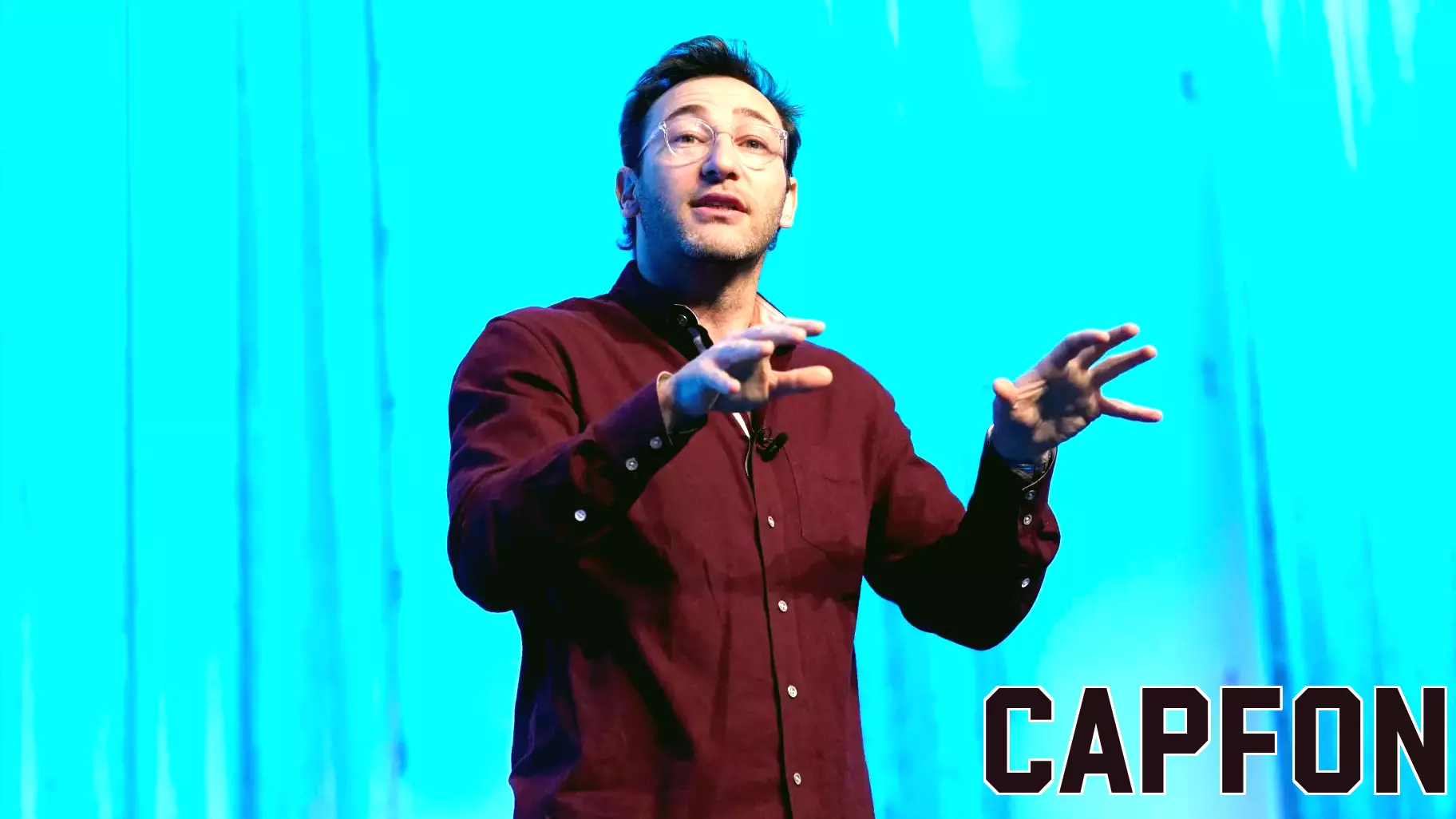
The business world has undergone a profound strategic shift in recent decades, moving away from the traditional "finite game" mindset—where the goal is simply to beat competitors and claim market share—toward an "infinite game" philosophy focused on enduring customer value and organizational resilience. This transformation, championed by thought leaders like Simon Sinek, redefined how companies approach competition, growth, and long-term success.
Sinek’s influential framework argued that businesses should stop playing to win in the short term and instead commit to an infinite game: creating sustained value for customers, employees, and communities. In this model, there is no final whistle, no ultimate victory. The objective becomes outlasting and outlearning rivals rather than defeating them in a single quarter or fiscal year. Companies like Apple, Patagonia, and Southwest Airlines have been cited as examples of infinite-game players, prioritizing purpose and adaptability over quarterly earnings.
However, Sinek’s original thesis contained a critical flaw. While he correctly identified the need to shift from finite to infinite thinking, he insisted on defining a fixed future state—a specific vision of what the company should become. This contradicts the very essence of an infinite game, which requires constant evolution, flexibility, and openness to unforeseen opportunities. A rigid endpoint, no matter how noble, can trap organizations in outdated strategies when markets, technologies, and customer needs change.
The modern interpretation of infinite strategy discards this fixed destination. Instead, it embraces continuous learning, iterative innovation, and a willingness to abandon what once worked. Companies now recognize that the infinite game is not about reaching a predetermined peak but about building the capacity to navigate perpetual change. This means investing in adaptive cultures, decentralized decision-making, and feedback loops that allow strategy to emerge organically rather than being imposed from the top.
Ultimately, the evolution from finite to infinite strategy is not complete. The next frontier lies in fully embracing uncertainty—letting go of the illusion of control and accepting that the most resilient businesses are those that can rewrite their own rules as the game itself transforms.
MORE NEWS
October 24, 2026 - 07:38
Business Enrollment at CSUB Climbs Nearly 25 Percent as College Expands Career PathwaysEnrollment at the College of Business and Public Administration has grown nearly 25 percent over the past three years, according to campus officials, who point to expanded community outreach, new...

October 23, 2026 - 17:44
UPMC Spins Off Aviation Medical Unit Through New York PartnershipUPMC is separating its aviation health care division and combining it with a New York company as part of a significant investment deal. The move places the Pittsburgh-based health system alongside...
October 23, 2026 - 00:18
Students Gain Early Business Experience Through International Baccalaureate CourseJuniors and seniors at Big Sky are getting an early introduction to the world of commerce through a two-year International Baccalaureate program that pushes them to think like business analysts....

October 22, 2026 - 02:22
How Sundar Pichai Uses AI Agents to Stay on Top of Google's WorkSundar Pichai says AI agents have become part of how he runs Google day to day. In recent remarks, the chief executive described using the tools to cut through the volume of information that...