Avoiding Common Pitfalls in the Product Development Process
11 June 2026
Ah yes, product development — the magical land where brilliant ideas are supposed to morph into billion-dollar businesses overnight. You brainstorm, you prototype, you slap a price tag on it, and BOOM! Instant success, right?
Well, not so fast, cowboy.
The path from idea to launch is often littered with more traps than an Indiana Jones movie. You’d think by now we’d have learned to sidestep those classic screw-ups, but no — we keep tripping over the same banana peels, over and over again.
So buckle up. We're about to take a not-so-gentle tour through the most common pitfalls in the product development process — and how to avoid them like a ninja on Red Bull.
The Classic "Build First, Think Later" Trap
Let’s start with the crown jewel of bad product decisions — diving into development without doing your homework. You’ve got an idea that "just feels right", so naturally, you pour your budget into building it before checking if anyone actually wants it.Why validate an idea when you can just wing it and hope for the best?
Real talk — if you’re developing a product without first talking to real users, you might as well be throwing spaghetti at a wall and hoping it turns into lasagna. Take time to validate your idea, run problem interviews, and gather feedback. Build a Minimum Viable Product (MVP) before dropping your savings on version 25.0.
Because if no one needs what you're cooking, it doesn’t matter how shiny your app looks.
Falling in Love… With the Wrong Idea
We get it. Your product idea is your baby — adorable, perfect, and incapable of doing any wrong in your eyes. But here’s the kicker: babies grow up. Your idea might need to evolve, adapt, or just plain die.And guess what? That’s okay.
Too many teams cling to an idea like it’s the last donut in the break room. Meanwhile, the market has already moved on. Avoid this pitfall by testing assumptions early and often, and don’t be afraid to pivot if the data’s screaming “WRONG DIRECTION!”
Let go of the ego. Let your users be brutally honest. And don’t worry — there are always more ideas where that came from.
Overengineering Like It’s the Olympics
Some developers treat product development like a competitive sport. "What if we add AI? And blockchain! And predictive analytics with machine learning!"Slow down, Iron Man.
Overengineering is the tech equivalent of building a spaceship to cross the street. You’re tossing in features nobody asked for — or worse, nobody can figure out how to use.
Instead, focus on solving one actual problem really, really well. MVPs should be lean, ugly, and just good enough to test your core hypothesis. Save the fireworks for after you’ve nailed product-market fit.
No one’s impressed by a feature-packed monstrosity that nobody understands.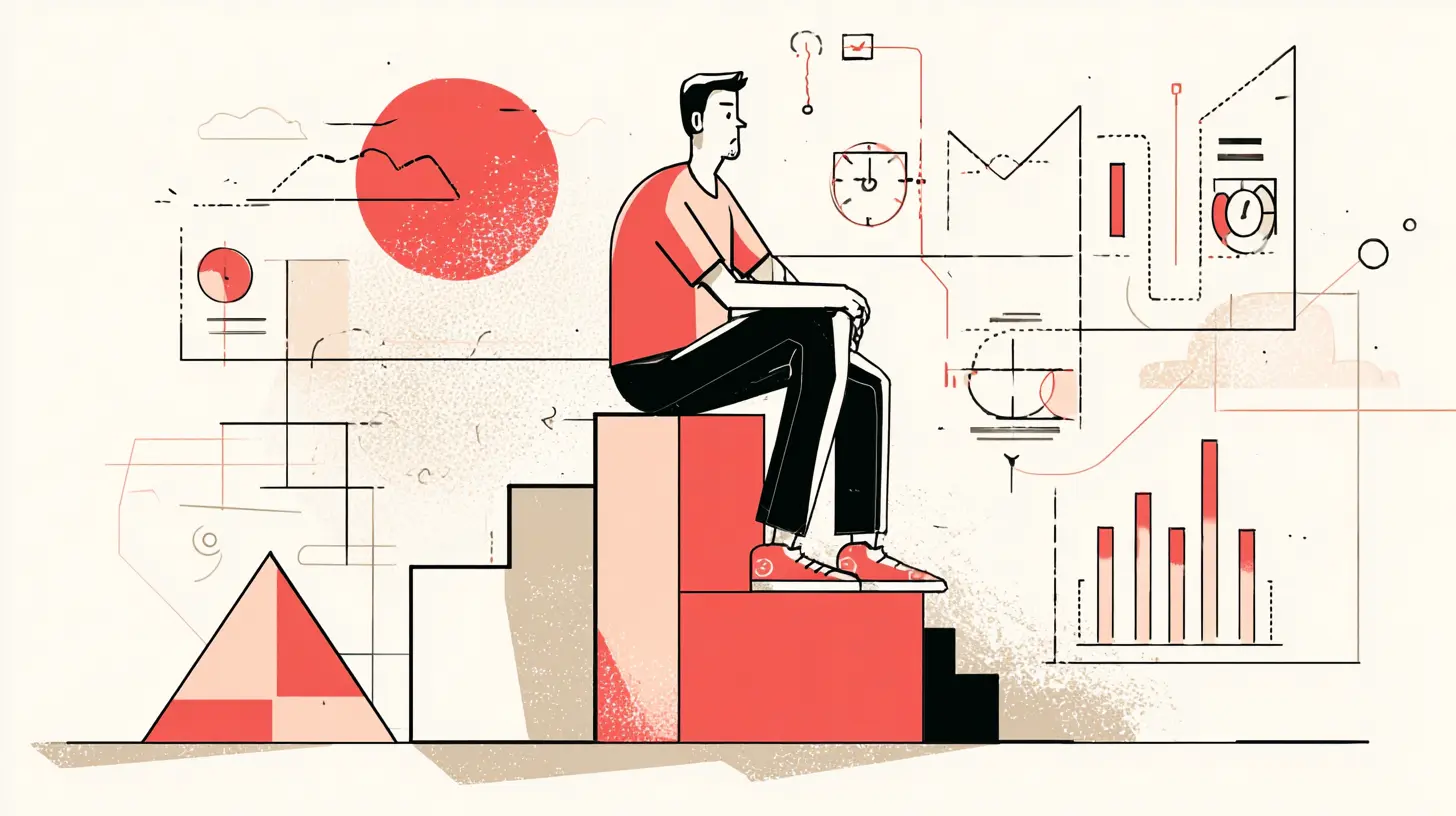
Ignoring User Feedback (Because, Of Course, You Know Better)
Oh, users. So unpredictable. So picky. So… helpful (if you'd actually listen).One of the biggest facepalm moments in product development? Ignoring solid gold feedback because it doesn’t match your vision.
Look, it’s your job to be obsessed with users, not to treat them like background noise. Every complaint, suggestion, and bug report is a free roadmap to a better product. If your users are confused, don’t blame them — fix the UX.
And no, “they just need to read the manual” is not a valid excuse in 2024.
Skipping the Planning Phase — Because Who Needs A Map?
Planning might not be the sexiest part of product development, but flying without it is like driving cross-country with zero directions and a tank full of wishful thinking.Without a solid plan, deadlines slip, tasks multiply, and everyone ends up vaguely irritated and wildly off-track. You go from “we’ve got this” to “why are we three months behind and what even is this feature for?”
Avoid this chaos by laying down a roadmap — timelines, responsibilities, goals. Agile, Kanban, Waterfall, whatever floats your productivity boat — just pick a method and stick to it. You can’t build a skyscraper with vibes alone.
Underestimating the Time and Budget Like It’s a Fun Game of Pretend
If I had a dollar for every project that went over time and budget, I’d have enough to fund my own doomed app idea.Let’s be honest: you’re going to underestimate how long things take. Developers will estimate “a week” for something that takes a month. Designers will design, redesign, and then redesign the redesign. Scope creep will sneak in like a ninja, and suddenly your budget’s crying in a corner.
Solution? Pad your estimates.
Plan for setbacks. Allocate buffer time. Add a contingency budget. And for the love of all things agile, learn to say NO to bonus features until the essentials are polished and bug-free.
Skimping on Testing Because “It Works on My Machine”
Ah yes, the famous last words: “It works on my machine.”Testing is that one thing everyone agrees is important — and then promptly ignores like an expired gym membership. You launch the product, and suddenly users are finding bugs in seconds. Glorious.
Testing isn’t just about making sure it doesn’t crash — it’s about ensuring the product works as expected. Functional testing, usability testing, regression testing — all must be part of your launch checklist.
Skimp on testing? Prepare for support tickets, 1-star reviews, and maybe an angry blog post or two.
Miscommunication: Because Mind Reading Isn’t a Skill (Yet)
Ever played the game “telephone” as a kid? Now imagine doing that with your entire product team. That’s what happens when communication goes downhill.One person thinks "redesign the landing page" means tweaking a button. Another thinks it means rebuilding the whole UI from scratch. Weeks later, everyone’s confused, deadlines are missed, and frustration levels are off the charts.
The fix? OVER-communicate. Use collaboration tools. Define deliverables. Document everything. Set clear goals. And, of course, make sure everyone’s speaking the same language.
Because mind reading remains shockingly unavailable on Slack.
Launching Without a Marketing Plan (A.K.A. Yelling Into the Void)
Imagine spending months (or years) building your dream product… and then launching it with a tweet and a prayer. No marketing plan, no strategy, no audience.Crickets.
Your product won’t sell itself. Unless you're Google or Apple (spoiler: you’re probably not), you need a go-to-market strategy. And no, that doesn’t mean spamming LinkedIn groups.
We're talking social media, SEO-friendly content (wink wink), email marketing, influencer outreach, the works. Build hype BEFORE the launch. Keep the momentum AFTER.
Otherwise, your product is just another needle in a digital haystack.
Forgetting That Product Development is a Marathon, Not a Sprint
Newsflash: you don’t just launch and walk away. Product development is not a one-night stand. It’s a long-term relationship — and you’ve got to keep putting in the work.Post-launch is where the real magic (and madness) happens. Bugs pop up. Feedback rolls in. Your team’s burning out. The servers catch fire (not literally, we hope).
So pace yourself. Plan for updates. Have a post-launch support team. Monitor metrics like your business depends on it — because it does.
Because this isn’t a sprint. It’s more like training for an ultra-marathon… in a desert… with a blindfold on. And some users will still say your button’s the wrong shade of blue.
Bonus Pitfall: Chasing Perfection Instead of Progress
Oh, perfection. That seductive little devil whispering, “Just one more tweak. Then it’ll be flawless.”Spoiler alert: It never will be.
Trying to get every pixel perfect before launch is a guaranteed way to delay everything. Guess what? Your users don’t want perfect — they want working. They want helpful. They want now.
Done is better than perfect. So ship it, test it, improve it. Rinse and repeat.
And remember: Facebook started as a campus dating site. Amazon sold only books. The best products evolve over time — and yours can too.
Final Thoughts: Avoiding Pitfalls Is Half the Battle
Let’s be honest. The product development process is wild, unpredictable, and occasionally soul-sucking. But it’s also thrilling, rewarding, and — when you dodge the usual landmines — kind of magical.The key? Stay humble. Stay hungry. And for goodness’ sake, stay flexible. Building a great product isn’t just about nailing the tech — it’s about listening to users, adapting fast, and navigating chaos with a smile (and maybe a stiff drink).
Avoid these pitfalls, and you won’t just survive product development — you just might crush it.
Now go forth and build something awesome — just don’t forget to test it first, okay?
all images in this post were generated using AI tools
Category:
Product DevelopmentAuthor:

Matthew Scott
Discussion
rate this article
1 comments
Katie Vance
Navigating the product development maze can be tricky, but awareness is key. By identifying common pitfalls early on, teams can pivot effectively and innovate boldly. Embrace challenges as opportunities for growth. Remember, the path to success is built on learning and adapting. Keep pushing forward and create something remarkable!
June 19, 2026 at 3:38 AM
Matthew Scott
Absolutely! Awareness of pitfalls is crucial for innovation. Embracing challenges can lead to great breakthroughs. Let's keep learning and adapting together.