Preparing for Supply Chain Disruptions During a Crisis
13 December 2025
If we’ve learned anything over the past few years, it’s that the unexpected can hit like a freight train—fast, loud, and with zero warning. Global pandemics, political turbulence, natural disasters… you name it, crises are happening more often and with wider impacts than ever. And if you’re in business, especially in logistics, retail, or manufacturing, you know exactly what that does to your supply chain.
So how do you stay ahead of the curve when the curve keeps shifting?
Let’s dive into some real-world, practical strategies for preparing your supply chain for the next big shake-up. Whether you're running a small e-commerce brand or managing enterprise-level logistics, building a resilient supply chain isn’t just smart—it’s essential.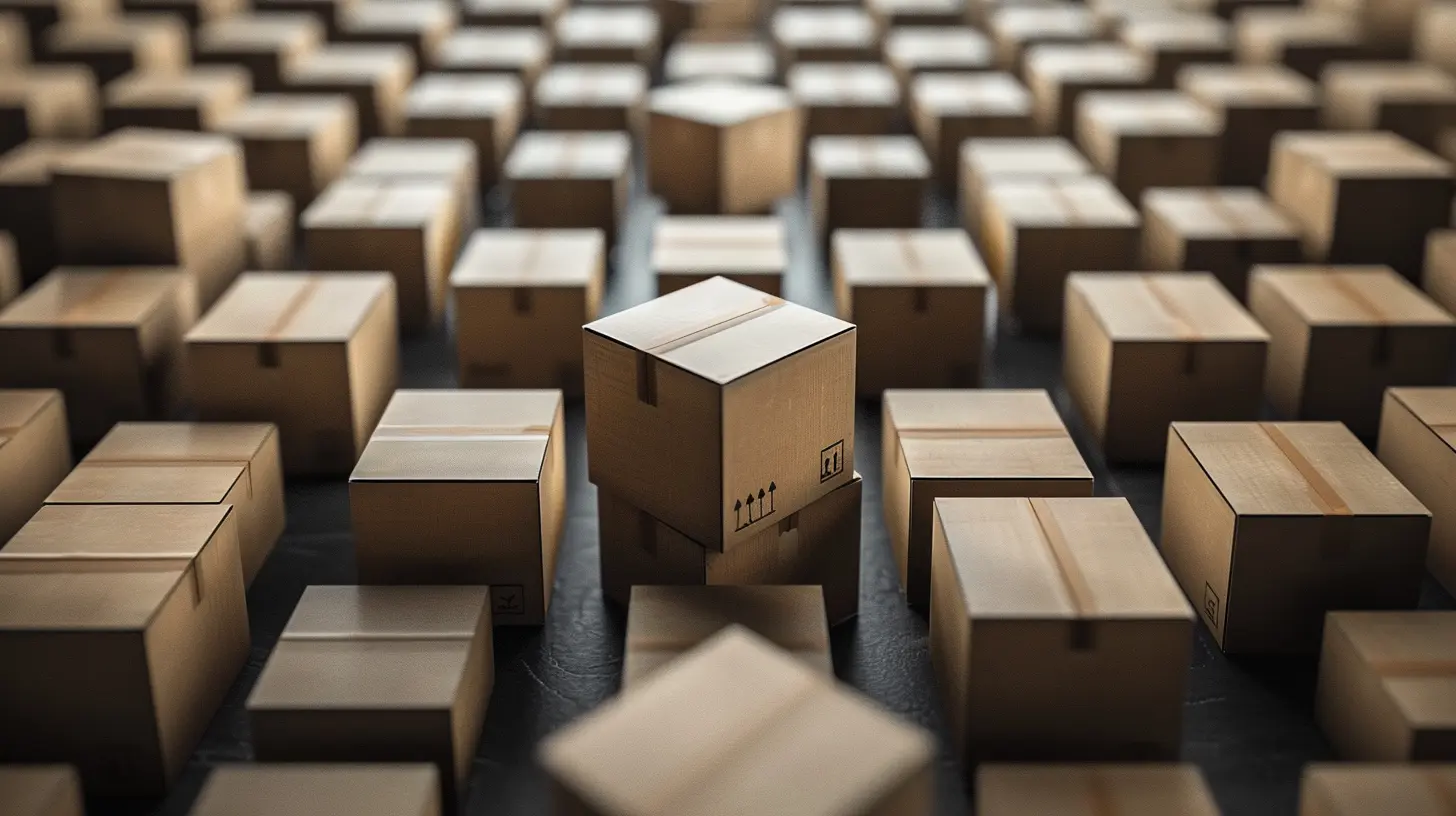
Why Supply Chain Disruptions Matter More Than Ever
Think about your business as a living organism. Your supply chain? That’s the bloodstream. If something clogs up the flow, everything else suffers—inventory can’t move, production slows down, customers wait longer, and your reputation takes a nosedive.In the age of just-in-time delivery and global sourcing, even a minor disruption on one end can cascade into a full-blown operational crisis. Remember the global shipping container crisis of 2021? Or the infamous Suez Canal blockage? A single ship stuck in the wrong spot held up billions of dollars in goods. That’s how fragile things can get.
So no, planning for disruptions isn't a luxury anymore. It's a survival strategy.
Common Causes of Supply Chain Disruptions
Before you can fix a problem, you need to know what you're up against. So here are the usual suspects when it comes to shaking up your supply chain:- Natural Disasters: Hurricanes, earthquakes, wildfires—Mother Nature has no chill.
- Pandemics: COVID-19 taught us that a health crisis can instantly shut down entire nations.
- Political Instability and War: Tariffs, sanctions, or full-blown conflict can cut off supply lines overnight.
- Cyber Attacks: Ransomware and digital threats can cripple operations.
- Labor Shortages: Strikes or workforce gaps can halt production.
- Transport Disruptions: Port closures, traffic jams at borders, or logistical bottlenecks.
It’s not about if something will happen—it’s when. So let’s talk about what you can actually do to prepare.
Building a Resilient Supply Chain: Where to Start
1. Diversify Your Supplier Base
Ever heard the saying, “Don’t put all your eggs in one basket”? That applies to your suppliers too. Relying on a single vendor or a sole geographic region for key materials is a ticking time bomb.What happens if your main supplier faces a factory shutdown or a natural disaster? Boom—you’re stuck.
Pro Tip: Build relationships with multiple suppliers across different regions. Have backup vendors on standby. It might cost slightly more upfront, but it pays off big time when things go sideways.
2. Increase Inventory Buffers (But Don’t Go Overboard)
Look, we’ve all been fans of lean inventory at some point (who doesn’t like lower holding costs?). But in a crisis, those razor-thin margins can become your Achilles heel.Sometimes, having a bit of a cushion is worth it.
Tip: Identify your most critical SKUs and add buffer stock for those. The key is to find the right balance—not hoarding, just smart padding.
3. Use Technology to Your Advantage
If your supply chain still runs on outdated spreadsheets and siloed systems, you’re driving blind in a blizzard.Modern supply chain management tools can give you real-time visibility, automate alerts, forecast demand more accurately, and even simulate potential disruption scenarios. That’s like having night-vision goggles in the dark world of crisis shipping.
Consider investing in:
- Inventory management software
- AI-powered demand forecasting
- Real-time tracking systems
- Risk management platforms
Quick Win: A dashboard that shows lead times, stock levels, and supplier performance in real-time can make all the difference when it’s crunch time.
4. Strengthen Supplier Relationships
Here’s something people often overlook: your suppliers are human too. And during a crisis, empathy and communication go a long way.Being a “partner” rather than just a client builds trust. That trust can be the difference between being prioritized or left out in the cold when resources are limited.
Check in regularly. Offer support. Negotiate in good faith. And most importantly, build long-term relationships, not just transactions.
5. Develop a Risk Mitigation Plan (And Actually Test It)
Having a contingency plan is like having a fire extinguisher—you hope you never need it, but you’d better know how to use it.Your crisis playbook should include:
- Backup suppliers
- Emergency contacts
- Roles and responsibilities for crisis response
- Clear communication channels across teams
And no, writing it down isn't enough. Run simulations. Do tabletop exercises. Test it like it’s real because one day, it will be.
6. Build Agility into Your Operations
Flexibility is your best friend in uncertain times.Can your team switch suppliers quickly? Can you adjust shipping routes or reassign labor efficiently? Companies that can pivot fast are the ones that come out ahead.
Start by eliminating bottlenecks, trimming unnecessary red tape, and empowering mid-level managers to make decisions when speed matters most.
7. Invest in Local and Regional Suppliers
Globalization has its perks, but it also makes your business vulnerable to international instability.More companies are reshoring or nearshoring parts of their production to reduce reliance on overseas sources. Having at least part of your supply chain closer to home can help you react faster and avoid some of the chaos from international delays.
It’s not about ditching global—just balancing it with regional resilience.
Long-Term Thinking: From Surviving to Thriving
Don’t Just React—Strategize
When a crisis hits, the first instinct is often to scramble. But scrambling doesn’t scale. You need a mindset shift—from reactive to proactive.This means:
- Making supply chain resilience part of your core strategy, not an afterthought.
- Tying your supply chain goals to wider business KPIs.
- Involving stakeholders from finance to customer service in disaster planning.
Embrace Continuous Improvement
Your supply chain doesn’t need to be perfect—but it does need to get better continuously.Use every crisis as a teaching moment. What went wrong? What went right? What can be automated next time?
Keep refining. Keep evolving.
Emotional Resilience in Crisis Management
Let’s not forget—behind every spreadsheet and shipment, there are people. And crises affect people the most.Training your teams in crisis communication, stress management, and agile problem-solving is just as important as tracking packages and managing backorders.
Culture plays a huge role here. Businesses that succeed during disruption often have a “we’ve got this” mindset baked into their team DNA.
Wrapping It All Up
Let’s face it—supply chain disruptions aren’t going away. In fact, they might become more common. But that doesn’t mean your business has to suffer every time the wind changes direction.With a bit of planning, the right tools, and a flexible mindset, you can not only survive the next big shake-up—you can come out even stronger.
So, ask yourself: Is your supply chain ready for the next crisis?
If the answer is “maybe,” then it’s time to turn that maybe into a confident “Yes, we are.”
Because in the world of business, resilience is the new competitive edge.
all images in this post were generated using AI tools
Category:
Crisis ManagementAuthor:

Matthew Scott
Discussion
rate this article
2 comments
Clover Evans
Proactively enhancing supply chain resilience is not just advisable; it's essential. Embrace strategic planning and strong partnerships to navigate crises effectively and emerge stronger than ever.
December 25, 2025 at 5:44 AM
Matthew Scott
Thank you for your insightful comment! I completely agree—strategic planning and strong partnerships are key to building a resilient supply chain that can weather any storm.
Chelsea McDermott
Proactive planning today ensures resilience for tomorrow’s challenges!
December 16, 2025 at 4:18 AM
Matthew Scott
Absolutely! Proactive planning is crucial for building resilience and effectively navigating future supply chain disruptions.