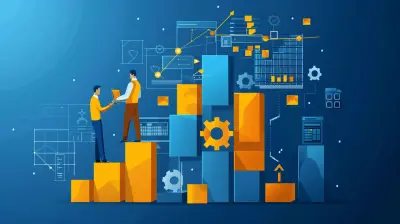
How Technology Is Evolving Product Development Processes
15 June 2026
Technology is rapidly reshaping the way businesses develop products. From idea conception to final production, innovative tools and techniques are streamlining processes, boosting efficiency, and driving creativity. But how exactly is technology revolutionizing product development? Let’s dive in.
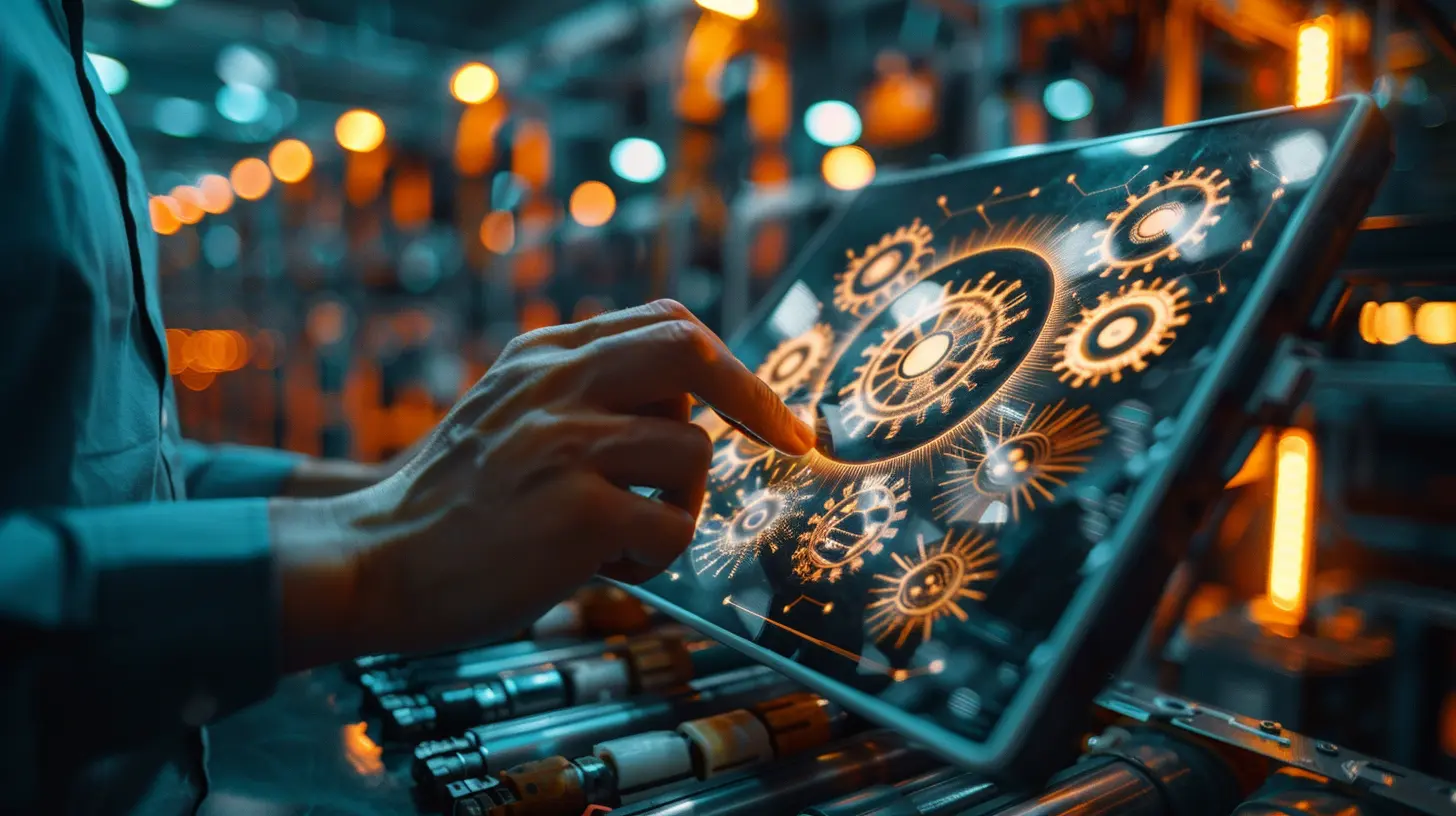
The Digital Revolution in Product Development
Gone are the days when product development was a slow, manual process. Thanks to cutting-edge technology, businesses can now bring ideas to life faster, with greater precision and fewer resources.Think of product development like building a house. In the past, you'd sketch designs by hand, make labor-intensive blueprints, and rely on trial and error. Today, with digital advancements, it's more like using a high-tech simulation—every detail is mapped out digitally before the first brick is laid.
So, what are the game-changers in modern product development? Let’s break it down.
1. AI and Machine Learning: The Brainpower Behind Innovation
Artificial Intelligence (AI) and machine learning are shaking up industries, and product development is no exception. These technologies analyze massive amounts of data, predict consumer preferences, and optimize designs in ways that were once unimaginable.- Predictive Design: AI-driven software can forecast which product designs will perform best, reducing prototyping costs.
- Automated Testing: Machine learning algorithms can test product functionality and durability virtually, significantly cutting time and expenses.
- Enhanced Customization: AI makes it possible to tailor products based on user behavior, creating highly personalized experiences.
Take Tesla, for instance. Their vehicles constantly collect data from drivers, allowing engineers to refine software updates and improve performance—all done remotely!
2. 3D Printing: From Concept to Reality in No Time
Remember when making prototypes took weeks, even months? 3D printing has flipped that on its head. Also known as additive manufacturing, this technology allows businesses to create physical prototypes almost instantly.- Rapid Prototyping: Companies can now test multiple product versions quickly, narrowing down the perfect design.
- Cost Reduction: It eliminates the need for expensive molds and tooling, making production more budget-friendly.
- Sustainability Benefits: With minimal material waste, 3D printing offers a greener approach to manufacturing.
Nike, for example, uses 3D printing to develop and test new footwear designs at lightning speed, accelerating their product launch cycle.
3. Cloud Computing: Collaboration Without Borders
Before cloud computing, storing and sharing data was a logistical nightmare. Now, with cloud-based platforms, teams across the globe can collaborate in real-time, leading to:- Seamless Communication: Engineers, designers, and marketers can work together effortlessly, no matter where they are.
- Version Control: No more messy document tracking—everyone has access to the latest updates instantly.
- Scalability: Companies can scale IT resources as needed without major infrastructure investments.
Take a company like Airbnb. Their teams operate across multiple continents, yet they keep product development agile through cloud-based collaboration tools.
4. Augmented Reality (AR) and Virtual Reality (VR): Bringing Designs to Life
What if you could walk through a product before it even exists? AR and VR are making this a reality. These technologies let businesses visualize designs in a fully immersive environment, preventing costly errors early.- Virtual Prototyping: Engineers and designers can examine products from every angle before production.
- Enhanced User Testing: Consumers can interact with digital product models, giving real-time feedback.
- Better Training: Companies can simulate product usage scenarios for internal training purposes.
Automotive giants like BMW and Ford use VR for vehicle design, allowing them to tweak models before physical production begins. The result? Faster innovation and fewer costly revisions.
5. Internet of Things (IoT): Smart Products, Smarter Development
IoT is turning everyday objects into data-generating powerhouses. From smart refrigerators to wearable fitness trackers, connected devices are shaping how businesses develop products.- Real-Time Data Collection: Companies gather insights on how consumers use their products, leading to continuous improvements.
- Predictive Maintenance: IoT helps prevent breakdowns by sending performance alerts before issues arise.
- User-Centric Innovation: By analyzing consumer behavior, brands can refine future models to match customer needs better.
Consider home automation brands like Nest. Their smart thermostats learn user preferences, adapting dynamically to provide energy savings while enhancing comfort.
6. Robotics and Automation: The Future of Manufacturing
Factories aren’t what they used to be! Automation and robotics are transforming production floors, making processes faster, safer, and more consistent.- Precision Engineering: Robots execute tasks with pinpoint accuracy, reducing human error.
- Increased Production Speed: Automated assembly lines churn out products at an unprecedented rate.
- Workforce Efficiency: Employees can focus on high-level tasks while routine work is automated.
Companies like Amazon leverage robotics in their warehouses to speed up order fulfillment, ensuring swift deliveries and satisfied customers.
7. Big Data and Analytics: Data-Driven Decision Making
The more data businesses collect, the smarter their decisions become. Big data analytics helps companies:- Identify Market Trends: Understanding consumer behavior guides product development in the right direction.
- Optimize Supply Chains: Companies can predict demand and adjust inventory accordingly.
- Enhance Product Performance: Ongoing analysis reveals areas for improvement and future innovation.
Coca-Cola, for example, relies on big data to craft new flavors and refine marketing strategies, ensuring their products consistently hit the mark.
8. Blockchain: A Revolution in Security and Transparency
Blockchain isn’t just about cryptocurrency—it’s making waves in product development too. By securing supply chains and protecting intellectual property, blockchain technology offers:- Tamper-Proof Records: Ensuring authenticity and preventing fraud.
- Efficient Supply Chains: Tracking materials from source to finished product.
- Intellectual Property Protection: Safeguarding innovative ideas from theft.
Pharmaceutical companies are particularly benefiting from blockchain by tracking drug origins and preventing counterfeits.
Final Thoughts: The Future of Product Development
Technology is no longer just a tool for product development—it’s the driving force behind it. Businesses that embrace AI, 3D printing, IoT, and other innovations are not only staying ahead but are redefining industries.The future? It's all about speed, efficiency, and smarter decision-making. Companies that adapt to these evolving tech trends will lead the charge, while those that resist may find themselves left in the dust.
So, if you’re in the game of creating products, there's one question left: Are you ready to embrace the technology shaping the future?
all images in this post were generated using AI tools
Category:
Product DevelopmentAuthor:

Matthew Scott
Discussion
rate this article
1 comments
Heath Frye
This article highlights a crucial shift in product development. Embracing technology not only streamlines processes but also enhances creativity. It's fascinating to see how these advancements are reshaping the way businesses innovate and respond to market demands.
June 21, 2026 at 12:14 PM
Matthew Scott
Thanks for your thoughts! It's exciting to see how technology is driving change and fostering innovation in product development. Your insights capture the essence perfectly.